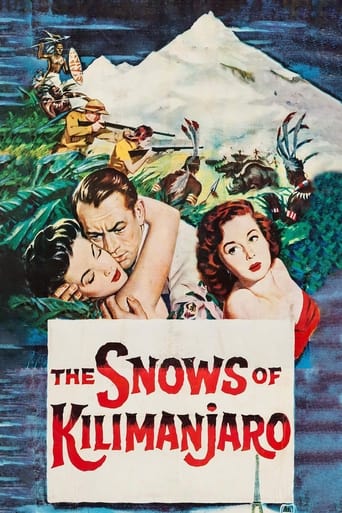
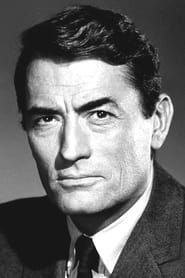
Gregory Peck
Actor
Born: April 5, 1916 in La Jolla, California, USA Died: June 12, 2003 Active: 1944-2000 Birth Name: Eldred Gregory Peck
Films
1 film
About Gregory Peck
Gregory Peck was and respected actors of Hollywood's Golden Age, known for his commanding presence and portrayals of men of integrity. Born Eldred Gregory Peck in La Jolla, California, he initially studied pre-med at UC Berkeley before discovering his passion for acting. After graduating from the Neighborhood Playhouse School of the Theatre in New York, he began his stage career before making his film debut in 1944's 'Days of Glory.' Peck quickly rose to stardom with his second film 'The Keys of the Kingdom' (1944), which earned him his first Academy Award nomination. Throughout his five-decade career, he became synonymous with characters of moral authority and principle, most famously Atticus Finch in 'To Kill a Mockingbird' (1962), for which he won the Academy Award for Best Actor. Beyond his film career, Peck was actively involved in politics and humanitarian causes, serving as president of the Academy of Motion Picture Arts and Sciences and receiving the Presidential Medal of Freedom in 1969. He continued acting into the 1990s, cementing his legacy as one of cinema's most enduring icons.
The Craft
On Screen
Gregory Peck was known for his naturalistic acting style combined with a commanding screen presence. He often portrayed characters of moral authority, integrity, and quiet strength, using a measured, deliberate delivery and minimal theatrical gestures. His deep, resonant voice and tall, dignified bearing made him particularly effective in roles requiring gravitas and moral conviction. Peck's approach was rooted in the Method acting tradition, though he never abandoned himself completely to the technique, maintaining a sense of classical restraint that made his performances both authentic and accessible.
Milestones
- Film debut in 'Days of Glory' (1944)
- First Academy Award nomination for 'The Keys of the Kingdom' (1944)
- Starred in 'The Yearling' (1946) - second Oscar nomination
- Breakthrough role in 'Gentleman's Agreement' (1947) - third Oscar nomination
- Starred in Hitchcock's 'Spellbound' (1945)
- Portrayed Captain Ahab in 'Moby Dick' (1956)
- Academy Award win for 'To Kill a Mockingbird' (1962)
- AFI Lifetime Achievement Award (1989)
- Kennedy Center Honors recipient (1991)
- Presidential Medal of Freedom (1969)
Best Known For
Iconic Roles
Must-See Films
Accolades
Won
- Academy Award for Best Actor - To Kill a Mockingbird (1962)
- Golden Globe for Best Actor - To Kill a Mockingbird (1962)
- Golden Globe Cecil B. DeMille Award (1969)
- Screen Actors Guild Life Achievement Award (1970)
- AFI Life Achievement Award (1989)
- Kennedy Center Honors (1991)
- National Medal of Arts (1991)
- Presidential Medal of Freedom (1969)
Nominated
- Academy Award nomination - The Keys of the Kingdom (1944)
- Academy Award nomination - The Yearling (1946)
- Academy Award nomination - Gentleman's Agreement (1947)
- Academy Award nomination - Twelve O'Clock High (1949)
- Academy Award nomination - The Guns of Navarone (1961)
- Golden Globe nominations - Spellbound (1945), The Yearling (1946), Gentleman's Agreement (1947), Twelve O'Clock High (1949), The Guns of Navarone (1961), Captain Newman, M.D. (1963), Arabesque (1966), The Omen (1976), The Boys from Brazil (1978)
Special Recognition
- Hollywood Walk of Fame star (1960)
- American Film Institute's Greatest Male Stars ranking - #12
- United States Postal Service commemorative stamp (2011)
- Honorary César Award (1995)
- Lincoln Center Film Society Gala Tribute (1986)
- George Eastman Award (1979)
Working Relationships
Worked Often With
Studios
Why They Matter
Impact on Culture
Gregory Peck's cultural impact extends far beyond his film performances, as he came to represent moral authority and integrity in American popular culture. His portrayal of Atticus Finch in 'To Kill a Mockingbird' created an enduring archetype of the principled lawyer and father that continues to influence legal professionals and parents today. Peck's off-screen activism and support for civil rights, including his friendship with Martin Luther King Jr. And opposition to the Vietnam War, demonstrated the potential for movie stars to influence social and political discourse. His dignified bearing and articulate advocacy for liberal causes helped establish a template for celebrity activism that would be emulated by later generations of performers.
Lasting Legacy
Gregory Peck's legacy is that of Hollywood's moral compass, an actor whose screen persona embodied the best of American values during a transformative period in the nation's history. His performances, particularly as Atticus Finch, have become cultural touchstones that continue to resonate with new generations of viewers. The American Film Institute ranked him among the greatest male stars of classic Hollywood cinema, and his films remain staples of classic movie programming. Beyond his artistic contributions, Peck's commitment to humanitarian causes and his dignified approach to celebrity established a standard for how public figures could use their influence for social good. His influence on acting style, particularly his naturalistic approach to portraying moral complexity, continues to be studied and admired by actors and film scholars.
Who They Inspired
Gregory Peck influenced generations of actors through his naturalistic yet dignified approach to performance, demonstrating that strength on screen could be conveyed through restraint rather than theatricality. His method of preparing for roles, particularly his extensive research for historical and literary characters, set a standard for serious film acting. Actors like Tom Hanks, Denzel Washington, and Kevin Costner have cited Peck as an influence in their portrayals of men of integrity. His success in both dramatic and action roles showed that leading men could maintain their dignity across genres, influencing how leading men have been cast and developed in subsequent decades. The template he created for the principled protagonist continues to be referenced in contemporary storytelling across film and television.
Off Screen
Gregory Peck was known for his stable personal life and strong family values. He married twice, first to Finnish-born Greta Kukkonen, with whom he had three sons, and later to French journalist Veronique Passani, with whom he had two children. Peck was deeply committed to his family and maintained close relationships with his children throughout his life. He was also known for his political activism, supporting liberal causes and civil rights, and was a lifelong Democrat who actively campaigned for candidates he believed in. His friendship with fellow actor Audrey Hepburn was one of Hollywood's most enduring platonic relationships, lasting until her death in 1993.
Education
St. John's Military Academy, Los Angeles; San Diego State College; University of California, Berkeley (pre-med); Neighborhood Playhouse School of the Theatre (New York)
Family
- Greta Kukkonen (1942-1955)
- Veronique Passani (1955-2003)
Did You Know?
- At 6'3", Peck was one of the tallest leading men of his era
- He turned down the role of James Bond in 'Dr. No' (1962)
- His son Jonathan's suicide in 1975 deeply affected him and led to his involvement in suicide prevention work
- Peck — close friend of President Lyndon B. Johnson and advised him on Vietnam policy
- He was offered the role of Colonel Nicholson in 'The Bridge on the River Kwai' but turned it down
- His distinctive voice was once used in a commercial for the Democratic National Committee
- He was a lifelong Democrat who actively campaigned for Adlai Stevenson and John F. Kennedy
- The character Gregory House from 'House M.D.' was named in part after Gregory Peck
- He was fluent in French and often conversed with his wife Veronique in the language
- He served as the national chairman of the American Cancer Society for several years
- His performance as Atticus Finch was named the greatest movie hero of the 20th century by the American Film Institute
- He was offered the role of Patton in 'Patton' (1970) but declined, feeling it glorified war
In Their Own Words
I'm not a do-gooder. It embarrassed me to be classified as a humanitarian. I simply believe that we're here to make the world a little better for our having been in it.
I learned that it is the weak who are cruel, and that gentleness is to be expected only from the strong.
Faith is a force, a powerful force. To me, it's been like an anchor to windward - something that's seen me through troubled times and some personal tragedies.
I don't lecture and I don't grind any axes. I just want to entertain people. That's what I want to do.
Tough times don't last, but tough people do.
I think doing a role is a little like being a detective. You have to look for all the clues in the script, in the director's mind, in yourself.
Frequently Asked Questions
Who was Gregory Peck?
Gregory Peck was one of Hollywood's most iconic and respected actors, known for his dignified portrayals of men of integrity. He starred in classic films like 'To Kill a Mockingbird,' 'Roman Holiday,' and 'The Guns of Navarone' during a career that spanned five decades. Beyond acting, he was a prominent political activist and humanitarian who received the Presidential Medal of Freedom.
What films is Gregory Peck best known for?
Titles linked here include To Kill a Mockingbird (1962), Roman Holiday (1953).
When was Gregory Peck born and when did he die?
Born April 5, 1916; died June 12, 2003.
What awards did Gregory Peck win?
Gregory Peck won the Academy Award for Best Actor for 'To Kill a Mockingbird' (1962) after four previous nominations. He also received the Golden Globe Cecil B. DeMille Award, the Screen Actors Guild Life Achievement Award, the AFI Life Achievement Award, the Kennedy Center Honors, and the Presidential Medal of Freedom, among numerous other honors.
What was Gregory Peck's acting style?
Gregory Peck was known for his naturalistic acting style combined with a commanding screen presence and dignified bearing. He often portrayed characters of moral authority using a measured delivery and minimal theatrical gestures. His approach was rooted in Method acting while maintaining classical restraint, making his performances both authentic and accessible.
How did Gregory Peck influence Hollywood and culture?
Gregory Peck created an enduring archetype of moral integrity through his most famous role as Atticus Finch, influencing how lawyers and fathers are portrayed in media. His off-screen activism established a template for celebrity social engagement, and his dignified approach to stardom set standards for how public figures could use their influence for social good. His naturalistic yet powerful acting style influenced generations of performers.