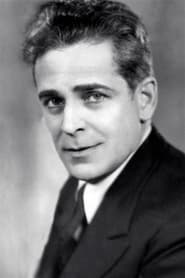
Crane Wilbur
Actor & Director
Born: November 17, 1886 in Athens, New York, USA Died: October 18, 1973 Active: 1914-1959 Birth Name: Irving Crane Wilbur
Films
3 films
About Crane Wilbur
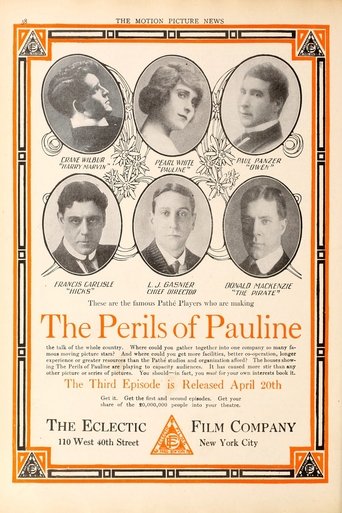
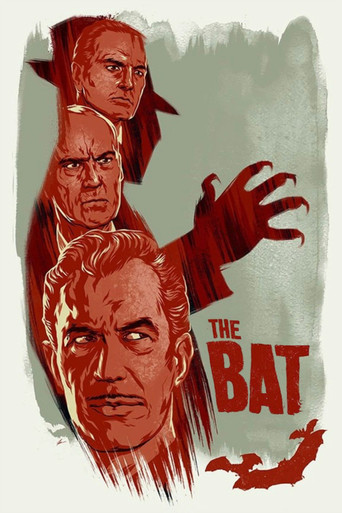
Crane Wilbur began his career as an actor in the silent film era, making his debut in the landmark serial 'The Perils of Pauline' (1914) where he played the villainous character. He transitioned successfully from acting to screenwriting and directing during the 1930s, establishing himself as a versatile talent in Hollywood. Wilbur became particularly known for his work in film noir and suspense thrillers, directing numerous low-budget but atmospheric films for studios like Monogram and Allied Artists. His most acclaimed directorial work came with 'The Bat' (1959), a gothic mystery that showcased his ability to create tension on limited budgets. Throughout his 45-year career, he directed over 40 films and wrote more than 50 screenplays, becoming a respected journeyman filmmaker. Wilbur's expertise in crafting efficient, suspenseful narratives made him a valuable asset to the B-movie industry, where he consistently delivered entertaining genre pictures. His the entire evolution of cinema from silent films to the end of Hollywood's Golden Age.
The Craft
On Screen
As a silent film actor, Wilbur specialized in villainous roles, using exaggerated gestures and facial expressions typical of the era. His performances were characterized by a theatrical intensity that translated well to the medium of silent cinema, particularly in serial formats where clear character archetypes were essential. He often played antagonists with a menacing presence that made him memorable to audiences.
Behind the Camera
Wilbur developed a reputation for creating atmospheric and suspenseful films on limited budgets. His directing style emphasized shadow and light to build tension, particularly effective in his film noir and mystery productions. He was known for his efficient shooting techniques and ability to maximize production value, often using clever camera angles and lighting to create mood without expensive sets. Wilbur's pacing was deliberate, building suspense gradually rather than relying on shock value.
Milestones
- Acted in the serial 'The Perils of Pauline' (1914)
- Transitioned from acting to directing in the 1930s
- Directed over 40 films during his career
- Wrote more than 50 screenplays
- Created the cult classic 'The Bat' (1959)
- Specialized in film noir and suspense thrillers
- Worked extensively in B-movie production
Best Known For
Iconic Roles
Must-See Films
Accolades
Special Recognition
- Recognized as a prolific B-movie director of the film noir era
Working Relationships
Worked Often With
Studios
Why They Matter
Impact on Culture
Crane Wilbur contributed significantly to the development of the film noir genre and B-movie production techniques. His ability to create atmospheric suspense on limited budgets demonstrated that quality filmmaking wasn't dependent on big budgets. 'The Bat' (1959) became a cult classic, influencing later gothic horror films and showcasing how classic mystery elements could be adapted for mid-century audiences. His work helped establish the template for low-budget but effective genre filmmaking that would be emulated by subsequent generations of independent filmmakers.
Lasting Legacy
Crane Wilbur's legacy lies in his remarkable versatility and longevity in Hollywood, successfully navigating the transition from silent films to sound, and from acting to directing. He represents the quintessential journeyman filmmaker who consistently delivered entertaining genre pictures despite budget constraints. His films, particularly 'The Bat,' continue to be studied for their efficient storytelling and atmospheric tension. Wilbur's career exemplifies the importance of craft and resourcefulness in cinema, proving that compelling stories could be told effectively regardless of production limitations.
Who They Inspired
Wilbur influenced subsequent generations of B-movie and independent filmmakers with his economical production methods and ability to create maximum atmosphere with minimum resources. His approach to suspense and mystery storytelling influenced directors working in similar genres. The technical innovations he developed for low-budget filmmaking became standard practices in the industry. His work demonstrated that genre films could be both commercially successful and artistically valid, paving the way for later horror and noir directors.
Off Screen
Crane Wilbur was born into a theatrical family, which influenced his early career choice in entertainment. He maintained a relatively private personal life throughout his Hollywood career, focusing primarily on his work. Wilbur's longevity in the industry was remarkable, spanning from the early silent era through the end of Hollywood's Golden Age. He retired from filmmaking in 1959 and spent his later years away from the public eye.
Education
Limited formal education, trained in acting through theatrical experience
Family
- Florence Vidor (1922-1925)
- Flora Lang (1926-1973)
Did You Know?
- Was a cousin of the famous playwright and director Thornton Wilder
- Began his career on Broadway before moving to films
- Wrote many of the films he directed under pseudonyms
- Was particularly skilled at writing prison films, having spent time researching in actual prisons
- His film 'The Bat' was remade multiple times, including a 1999 version
- Often worked with the same crew members across multiple productions to maintain efficiency
- Was one of the few silent film actors to successfully transition to directing
- His prison research led to unusually authentic depictions of correctional facilities in his films
- Once claimed to have written over 100 screenplays during his career
- His directing style was influenced by German Expressionist cinema
In Their Own Words
In low-budget filmmaking, every shadow is a friend and every light is an expense.
The best suspense comes not from what you show, but from what you suggest.
A good mystery doesn't need expensive sets, it needs expensive ideas.
Frequently Asked Questions
Who was Crane Wilbur?
American actor, on YTB.my. He began as a silent film actor, notably appearing in 'The Perils of Pauline,' and later became a prolific director specializing in film noir and suspense thrillers, with 'The Bat' (1959) being his most famous directorial work.
What films is Crane Wilbur best known for?
Titles linked here include The Bat (1959), The Perils of Pauline (1914).
When was Crane Wilbur born and when did he die?
Born November 17, 1886; died October 18, 1973.
What awards did Crane Wilbur win?
Despite his prolific career, Crane Wilbur did not receive major industry awards or nominations. However, he was recognized within the industry as a reliable and efficient director of B-movies and genre films, particularly noted for his work in film noir and suspense thrillers.
What was Crane Wilbur's directing style?
Crane Wilbur's directing style emphasized atmosphere and suspense, particularly effective in his film noir and mystery productions. He was known for creating tension through lighting and shadow, using clever camera angles and efficient production methods to maximize mood on limited budgets. His pacing was deliberate, building suspense gradually rather than relying on shock value.