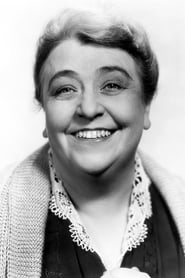
Jane Darwell
Actor
Born: October 15, 1879 in Palmyra, Missouri, USA Died: August 13, 1967 Active: 1913-1964 Birth Name: Patti Woodard
Films
1 film
About Jane Darwell
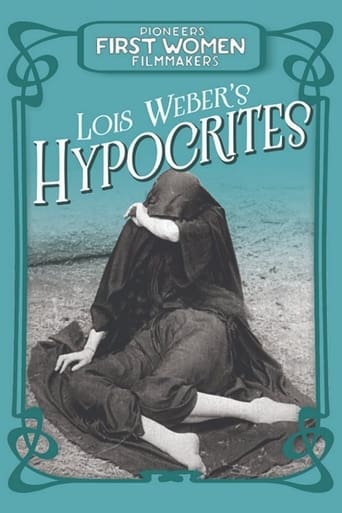
Jane Darwell, born Patti Woodard, was a prolific American actress whose five decades from the silent era through the Golden Age of Hollywood. She began her career on stage in the early 1900s, touring with stock companies before making her film debut in 1913. Her early work included roles in silent films such as 'Hypocrites' (1915), where she demonstrated the dramatic intensity that would become her trademark. Darwell successfully transitioned to talkies, becoming one of Hollywood's most reliable character actresses, often portraying strong maternal figures and feisty, working-class women. Her career-defining performance came as Ma Joad in John Ford's 'The Grapes of Wrath' (1940), for which she won the Academy Award for Best Supporting Actress. Throughout the 1940s and 1950s, she appeared in numerous classics including 'The Devil and Daniel Webster,' 'My Friend Flicka,' and 'The Red Pony.' She continued working into her 80s, with her final appearance as the Bird Woman in Disney's 'Mary Poppins' (1964), just three years before her death.
The Craft
On Screen
Jane Darwell was known for her naturalistic, grounded acting style that brought authenticity to maternal and working-class characters. She possessed a remarkable ability to convey strength, resilience, and warmth through subtle facial expressions and a distinctive, authoritative voice. Her performances were characterized by a complete lack of artifice, making her characters feel like real people rather than theatrical constructions. Darwell excelled at portraying women who had seen hardship but maintained their dignity and fighting spirit, bringing depth to supporting roles that might have been forgettable in lesser hands.
Milestones
- Film debut in silent era (1913)
- Academy Award for Best Supporting Actress for The Grapes of Wrath (1940)
- Over 200 film appearances across five decades
- Final film appearance in Mary Poppins (1964)
- Hollywood Walk of Fame star (1960)
Best Known For
Iconic Roles
Must-See Films
Accolades
Won
- Academy Award for Best Supporting Actress for The Grapes of Wrath (1940)
Nominated
- Golden Globe nomination for Best Supporting Actress for The Last Time I Saw Paris (1954)
Special Recognition
- Hollywood Walk of Fame star (February 8, 1960)
- Inducted into the Hall of Famous Missourians (2014)
Working Relationships
Worked Often With
Studios
Why They Matter
Impact on Culture
Jane Darwell's portrayal of Ma Joad in 'The Grapes of Wrath' created an enduring archetype of American motherhood during the Great Depression, representing resilience, dignity, and the strength of family bonds. Her performance helped define how generations of Americans would understand the struggles of Dust Bowl migrants and working-class families. Through her extensive body of work, Darwell helped establish the importance of character actors in Hollywood, proving that supporting roles could be as memorable and impactful as leads. Her ability to bring authenticity to maternal roles influenced how Hollywood would portray mothers and older women for decades.
Lasting Legacy
Jane Darwell left an indelible mark on cinema as one of Hollywood's most beloved character actresses, with her Academy Award-winning performance as Ma Joad remaining. Her career demonstrated the vital importance of supporting actors in creating memorable cinema, with her presence elevating countless films through her authentic performances. The Hollywood Walk of Fame star she received in 1960 stands as a permanent tribute to her contributions to American cinema. Her posthumous induction into the Hall of Famous Missourians in 2014 cemented her status as one of Missouri's most significant cultural figures.
Who They Inspired
Darwell influenced generations of character actors through her example of bringing depth and authenticity to supporting roles. Her naturalistic acting style prefigured later developments in American cinema, particularly the emphasis on realism that would become prominent in the 1950s and beyond. Many actresses who later specialized in maternal roles cited Darwell as an inspiration for how to portray strength and dignity in older female characters. Her successful transition from silent films to talkies served as a model for other actors facing the challenges of evolving technology in the film industry.
Off Screen
Jane Darwell never married and had no children, dedicating her life entirely to her craft. She was known for her independence and strong will, characteristics that often reflected in her film roles. Despite her success in Hollywood, she maintained a relatively private personal life and rarely discussed her off-screen relationships in interviews. In her later years, she lived at the Motion Picture & Television Country House and Hospital in Woodland Hills, California, where she spent her final years surrounded by fellow industry retirees.
Education
Attended Missouri State University (now Missouri State University) for one year before leaving to pursue acting career; later studied drama at the Chicago Conservatory of Music and Dramatic Art
Did You Know?
- Originally intended to become a circus performer before turning to acting
- Changed her name from Patti Woodard to Jane Darwell early in her career
- Made over 200 film appearances but was only nominated for one Oscar
- Her final film appearance in 'Mary Poppins' came when she was 84 years old
- Never married or had children, calling her co-workers her 'family'
- Was a skilled horseback rider, which served her well in Westerns and rural dramas
- Worked as a real estate agent between acting jobs early in her career
- Was known for her distinctive, gravelly voice which became more pronounced with age
- Lived at the Motion Picture & Television Country House in her final years
- Was a close friend of actress Bette Davis, who admired her professionalism
In Their Own Words
As Ma Joad: 'Rich fellas come up an' they die, an' their kids ain't no good an' they die out. But we keep a-comin'. We're the people that live. They can't wipe us out.' (The Grapes of Wrath, 1940)
On acting: 'I don't act, I just react. I'm not a performer, I'm a reactor.'
On her Oscar win: 'I was so surprised I nearly fell off my chair. I didn't even think I had a chance.'
On longevity: 'As long as they'll have me, I'll keep working. It's what I know.'
Frequently Asked Questions
Who was Jane Darwell?
Prolific American actress best known for her Academy Award-winning performance as Ma Joad in 'The Grapes of Wrath' (1940). She appeared in over 200 films during a career spanning five decades, specializing in portraying strong maternal figures and working-class women with authenticity and warmth.
What films is Jane Darwell best known for?
Titles linked here include The Grapes of Wrath (1940), Mary Poppins (1964).
When was Jane Darwell born and when did she die?
Born October 15, 1879; died August 13, 1967.
What awards did Jane Darwell win?
Jane Darwell won the Academy Award for Best Supporting Actress for her performance as Ma Joad in 'The Grapes of Wrath' (1940). She also received a Golden Globe nomination for 'The Last Time I Saw Paris' (1954) and was honored with a star on the Hollywood Walk of Fame in 1960.
What was Jane Darwell's acting style?
Jane Darwell was known for her naturalistic, authentic acting style that brought realism to maternal and working-class characters. She conveyed strength and emotion through subtle expressions and her distinctive voice, avoiding theatrical artifice in favor of grounded, believable performances that made her characters feel like real people.