Felix Aylmer
Actor
Born: February 21, 1889 in Corsham, Wiltshire, England Died: May 2, 1979 Active: 1911-1979 Birth Name: Felix Edward Aylmer Jones
Films
1 film
About Felix Aylmer
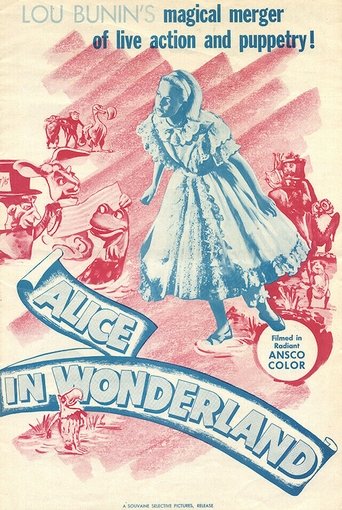
Sir Felix Aylmer — British character actor whose over five decades, from the silent era through the golden age of cinema. Born in 1889, he began his career on the stage after graduating from Oxford University, making his theatrical debut in 1911. He transitioned successfully to films in the 1930s, quickly establishing himself as one of Britain's most reliable character actors, known for his dignified presence and distinctive, resonant voice. Aylmer specialized in portraying authority figures, noblemen, scholars, and clergymen, bringing gravitas and intellectual depth to every role. His performance as the Caterpillar in the 1949 film adaptation of 'Alice in Wonderland' showcased his unique ability to bring literary characters to life with both wit and wisdom. Throughout his career, he appeared in more than 100 films, working with some of the biggest names in British and Hollywood cinema. He was knighted in 1965 for his services to drama, becoming Sir Felix Aylmer and cementing his status as one of Britain's most respected actors. Even in his later years, he continued working in television and film, maintaining his reputation as a consummate professional until his death in 1979.
The Craft
On Screen
Aylmer was known for his precise, dignified acting style characterized by impeccable diction and a commanding stage presence. He brought a theatrical gravitas to his film performances, using his distinctive voice and measured delivery to create memorable authority figures. His approach was rooted in classical training, emphasizing clarity of expression and intellectual depth. He excelled at portraying characters of wisdom and authority, from professors to noblemen, always maintaining an air of sophistication and refinement. His performances were marked by subtle nuances and an ability to convey complex emotions through minimal gestures and vocal inflections.
Milestones
- Made stage debut in 1911
- Transitioned to films in 1930s
- Appeared in over 100 films
- Knighted in 1965 for services to drama
- Played the Caterpillar in Alice in Wonderland (1949)
- President of Equity (British actors' union) 1950-1955
- Continued working in television through the 1970s
Best Known For
Iconic Roles
Must-See Films
Accolades
Won
- Knight Bachelor (1965) - for services to drama
Nominated
- BAFTA Film Award nomination for Best British Actor (1954) - for The Sword and the Rose
Special Recognition
- President of Equity (British actors' union) 1950-1955
- Commander of the Order of the British Empire (CBE) (1950)
- Knight Bachelor (1965)
Working Relationships
Worked Often With
Studios
Why They Matter
Impact on Culture
Felix Aylmer had a profound impact on British cinema and theater, representing the epitome of the classically trained British character actor. His distinctive voice and dignified presence became synonymous with British authority and intellectualism in film, helping to establish the archetype of the wise, scholarly character that would influence generations of actors. His performances contributed significantly to the golden age of British cinema, particularly in literary adaptations where his classical training proved invaluable. As president of Equity, he fought for actors' rights and better working conditions, leaving a lasting impact on the British entertainment industry. His knighthood in 1965 was not just a personal honor but a recognition of the importance of character actors in film and theater.
Lasting Legacy
Sir Felix Aylmer's legacy endures through his extensive body of work and the standards he set for character acting. He demonstrated that supporting roles could be as memorable and significant as leading parts, influencing how character actors would be perceived in the industry. His performances in classic films continue to be studied by actors and film scholars for their technical precision and emotional depth. The dignity and intelligence he brought to every role helped elevate the status of character actors in cinema. His work in both British and Hollywood productions helped bridge the gap between the two film industries, paving the way for future British actors to find success internationally.
Who They Inspired
Aylmer influenced generations of British actors through his example of technical excellence and professional dedication. His approach to character acting, combining classical training with film technique, became a model for actors like John Gielgud, Ralph Richardson, and later, Ian McKellen and Patrick Stewart. His ability to maintain a successful career across different media - stage, film, radio, and television - showed actors the importance of versatility. His advocacy for actors' rights through his work with Equity helped create better conditions for all performers in the British entertainment industry. His distinctive voice and delivery style influenced how British actors approached voice work in film and radio.
Off Screen
Felix Aylmer married Cecily Bowen in 1923, and their marriage lasted until her death in 1974. They had two children together, a son and a daughter. Despite his fame, Aylmer maintained a relatively private personal life, focusing on his craft and family. He was known for his intellectual pursuits and was an avid reader throughout his life. After retiring from acting, he spent his final years in Petersfield, Hampshire, where he died at the age of 90.
Education
Magdalen College, Oxford University - studied classics and modern history
Family
- Cecily Bowen (1923-1974)
Did You Know?
- He was a skilled chess player and often played between takes on film sets
- His distinctive voice made him a popular choice for radio dramas and early television
- He was one of the first British actors to successfully transition from silent films to talkies
- Despite playing many authority figures, he was known for his humility and kindness on set
- He learned to ride horses specifically for his role in 'The Prisoner of Zenda' (1937)
- He was a cousin of the famous British poet A.E. Housman
- He appeared in both the 1937 and 1952 versions of 'The Prisoner of Zenda'
- He was a founding member of the British Actors' Equity Association
- He continued acting well into his 80s, appearing in TV shows like 'The Avengers'
- His voice was so distinctive that he was often cast without auditions
- He turned down a Hollywood contract in the 1930s to remain in British theater
- He was an accomplished watercolor painter in his retirement
In Their Own Words
The secret of good acting is to be yourself, but someone else on stage
Character actors are the pillars that hold up the temple of drama
Voice is the instrument of the actor, and like any instrument, it must be properly tuned
In every role, no matter how small, there is a human being to be discovered
The best actors are those who make the difficult look easy and the simple look profound
Frequently Asked Questions
Who was Felix Aylmer?
Felix Aylmer — credits here include Alice in Wonderland (1949), The Man Who Knew Too Much (1956). Active 1911-1979.
What films is Felix Aylmer best known for?
Titles linked here include Alice in Wonderland (1949), The Man Who Knew Too Much (1956).
When was Felix Aylmer born and when did he die?
Born February 21, 1889; died May 2, 1979.
What awards did Felix Aylmer win?
Felix Aylmer was knighted in 1965, becoming Sir Felix Aylmer for his services to drama. He was also appointed Commander of the Order of the British Empire (CBE) in 1950. He received a BAFTA Film Award nomination for Best British Actor in 1954 for his performance in 'The Sword and the Rose'.
What was Felix Aylmer's acting style?
Felix Aylmer's acting style was characterized by classical precision, impeccable diction, and dignified presence. He brought theatrical gravitas to his film performances, using his distinctive voice and measured delivery to create memorable authority figures. His approach emphasized clarity, intellectual depth, and subtle emotional nuances, making him particularly effective in roles requiring wisdom and authority.