

Duke Ellington
Actor
Born: April 29, 1899 in Washington, D.C., United States Died: May 24, 1974 Active: 1917-1974 Birth Name: Edward Kennedy Ellington
Films
2 films
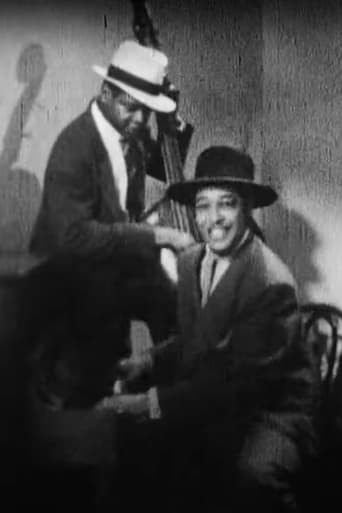
About Duke Ellington
Edward Kennedy 'Duke' Ellington was born in Washington D.C. In 1899 and rose to become jazz composers, pianists, and bandleaders of the 20th century. He began his musical career as a teenager, playing piano in Washington clubs before moving to New York in the 1920s where he formed his famous orchestra at the Cotton Club. Ellington's sophisticated compositions and arrangements revolutionized jazz, creating a unique orchestral sound that blended blues, swing, and classical influences. His film career, though secondary to his music, began with early sound shorts like 'Black and Tan' (1929) and continued through the 1940s with appearances in feature films that showcased both his musical genius and charismatic stage presence. Ellington composed thousands of works including jazz standards like 'Mood Indigo,' 'Sophisticated Lady,' and 'It Don't Mean a Thing (If It Ain't Got That Swing).' His orchestra recorded and performed continuously for over 50 years, touring internationally and appearing in numerous films and television programs. Ellington received numerous honors throughout his career including the Presidential Medal of Freedom and a posthumous special Pulitzer Prize for his contributions to American music.
The Craft
On Screen
Ellington's film appearances were primarily as himself, exuding natural charisma and sophistication. His screen presence was marked by a dignified, elegant demeanor that reflected his status as a cultural ambassador. He performed with an effortless grace that made his musical performances appear spontaneous and intimate, whether conducting his orchestra or playing piano solos.
Milestones
- Formed his first orchestra in 1923 at the Cotton Club
- Composed over 3,000 works during his career
- Appeared in 'Black and Tan' (1929), one of the earliest sound films featuring African American performers
- Toured internationally with his orchestra for over 50 years
- Received the Presidential Medal of Freedom in 1969
- Posthumously awarded a special Pulitzer Prize in 1999
- Inducted into the Big Band and Jazz Hall of Fame in 1978
Best Known For
Iconic Roles
Must-See Films
Accolades
Won
- Academy Award nomination for Best Original Score - 'Anatomy of a Murder' (1959)
- Grammy Award for Best Jazz Performance - Large Group (1959)
- Grammy Award for Best Instrumental Jazz Performance - Large Group (1960)
- Grammy Award for Best Original Jazz Composition (1965)
- Presidential Medal of Freedom (1969)
- Special Pulitzer Prize (1999, posthumous)
Nominated
- Academy Award nomination for Best Original Score - 'Paris Blues' (1961)
- Multiple Grammy nominations throughout the 1960s
Special Recognition
- Hollywood Walk of Fame star (1970)
- American Jazz Hall of Fame inductee
- Big Band and Jazz Hall of Fame inductee (1978)
- Rock and Roll Hall of Fame inductee (2000)
- Gennett Records Walk of Fame inductee
- U.S. Postage stamp issued in his honor (1986)
Working Relationships
Worked Often With
Studios
Why They Matter
Impact on Culture
Duke Ellington's film appearances helped break down racial barriers in Hollywood, presenting African American culture with dignity and sophistication at a time when most black performers were relegated to stereotypical roles. Through films like 'Black and Tan' and 'Jam Session,' Ellington brought jazz to mainstream audiences, elevating the genre from dance music to a legitimate art form. His presence in films demonstrated that African American musicians could be sophisticated, intelligent, and artistically significant, challenging prevailing racial stereotypes. Ellington's compositions used in films became part of the American musical canon, influencing generations of composers and musicians across all genres.
Lasting Legacy
Duke Ellington's legacy extends far beyond his film appearances to encompass. His orchestra served as a training ground for countless jazz musicians who would go on to lead their own influential groups. Ellington's compositional innovations, including his use of extended harmonies, unique voicings, and sophisticated forms, influenced not only jazz but also classical composers. His film work preserved performances of his orchestra for posterity, allowing future generations to witness his musical genius firsthand. The Duke Ellington Orchestra continues to perform today under the leadership of family members, maintaining his musical legacy.
Who They Inspired
Ellington influenced countless musicians across all genres, from jazz artists like Miles Davis and John Coltrane to classical composers like Aaron Copland. His approach to orchestration and composition became a model for big band leaders that followed. Film composers were particularly influenced by his ability to create mood and atmosphere through music, as demonstrated in his scores for films like 'Anatomy of a Murder.' His dignified presence in films paved the way for future African American entertainers to be taken seriously as artists rather than entertainers.
Off Screen
Duke Ellington married Edna Thompson in 1918 when he was 19 years old. Their only child, Mercer Kennedy Ellington, was born in 1919 and later became a jazz musician and bandleader himself. Ellington and his wife separated in the 1930s but never divorced, maintaining a complex relationship throughout their lives. He was known for his sophisticated lifestyle, impeccable dress, and numerous romantic relationships with women in the entertainment industry. Ellington was deeply religious and maintained a strong connection to his African American heritage throughout his career.
Education
Attended Armstrong Technical High School in Washington D.C., studied music privately with Henry Grant and later with Will Marion Cook
Family
- Edna Thompson (1918-1974)
Did You Know?
- Earned the nickname 'Duke' from his childhood friends due to his elegant manners and dapper dress
- Never learned to read music notation in the traditional sense, using his own system of musical shorthand
- Composed his first piece at age 15 called 'Soda Fountain Rag'
- His orchestra performed at the White House for multiple presidents including Nixon and Kennedy
- Wrote an autobiography titled 'Music Is My Mistress' published in 1973
- His orchestra was the first African American jazz group to perform at Carnegie Hall in 1943
- Composed a series of 'sacred concerts' that combined jazz with religious themes
- Was a Freemason and member of the Prince Hall Masonic Lodge
- His song 'Take Five' became one of the best-selling jazz singles of all time
- Toured internationally in the 1930s, bringing American jazz to Europe before it was widely accepted there
In Their Own Words
Music is my mistress, and she plays second fiddle to no one.
A problem is a chance for you to do your best.
I merely took the energy it takes to pout and wrote some blues.
There are two kinds of music. Good music, and the other kind.
I don't need time. What I need is a deadline.
Roaming through the jungle of 'oohs' and 'ahs,' searching for a more agreeable noise.
Frequently Asked Questions
Who was Duke Ellington?
Legendary American jazz composer, pianist, and bandleader who became. While primarily known for his musical contributions, he also appeared in several films including 'Black and Tan' (1929) and 'Jam Session' (1942), helping to bring jazz to mainstream audiences through cinema.
What films is Duke Ellington best known for?
Titles linked here include Black and Tan (1929), Jam Session (1942).
When was Duke Ellington born and when did he die?
Born April 29, 1899; died May 24, 1974.
What awards did Duke Ellington win?
Ellington received numerous awards including multiple Grammy Awards, the Presidential Medal of Freedom (1969), and a posthumous special Pulitzer Prize (1999). He was nominated for two Academy Awards for Best Original Score for 'Anatomy of a Murder' (1959) and 'Paris Blues' (1961).
What was Duke Ellington's musical style?
Ellington developed a distinctive orchestral style that blended jazz with classical elements, featuring sophisticated harmonies, unique instrumental voicings, and complex arrangements. His music ranged from blues and swing to extended compositions that approached symphonic form, always maintaining the improvisational spirit of jazz while showcasing individual instrumentalists within his orchestra.
How did Duke Ellington influence cinema?
Ellington's film appearances helped legitimize jazz as an art form in mainstream cinema and broke racial barriers by presenting African American culture with dignity and sophistication. His film scores, particularly for 'Anatomy of a Murder,' demonstrated how jazz could effectively enhance dramatic storytelling, influencing future film composers to incorporate jazz elements into their work.