
Clyde Beatty
Actor
Born: June 10, 1903 in Bainbridge, Ohio, USA Died: July 19, 1965 Active: 1920s-1965 Birth Name: Clyde Raymond Beatty
Films
1 film
About Clyde Beatty
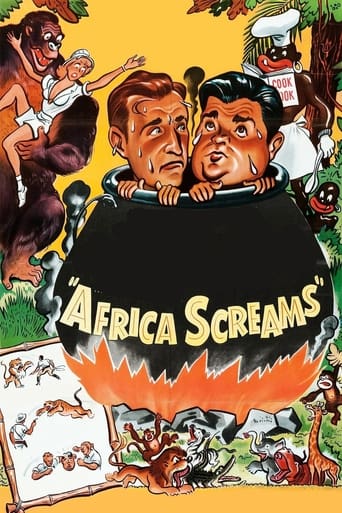
Clyde Raymond Beatty — American animal trainer, circus performer, and occasional actor who became famous lion tamers in history. Born in Ohio in 1903, Beatty began his career with circuses in the 1920s and quickly gained fame for his daring and controversial method of controlling multiple big cats simultaneously using a whip and chair. His reputation grew throughout the 1930s as he performed with Ringling Bros. And Barnum & Bailey Circus, where his act featuring dozens of lions and tigers became a main attraction. Beatty transitioned into films during the 1930s, typically playing himself or characters closely resembling his real profession as an animal trainer, appearing in movies like 'The Big Cage' (1933) and 'Darkest Africa' (1936). His most famous film appearance came in 1950's 'Africa Screams' alongside comedy duo Abbott and Costello, where he showcased his real animal training skills. Beyond performing, Beatty established his own circus show and later opened the 'Jungle Zoo' in Florida, cementing his status as one of America's most recognizable entertainment figures of the mid-20th century. He continued performing dangerous animal acts until his death in 1965, leaving behind a complex legacy as both an entertainment pioneer and a figure whose training methods would later be criticized by animal welfare advocates.
The Craft
On Screen
As an occasional actor rather than a professional thespian, Beatty's screen presence was characterized by authenticity and naturalism since he typically played himself or characters closely resembling his real profession. His performances were straightforward and unpretentious, relying on the genuine danger and spectacle of his animal training skills rather than dramatic acting techniques. Beatty's screen persona matched his circus personality - confident, commanding, and fearless when facing dangerous animals, which translated effectively to film audiences who were witnessing real risk rather than staged performances. His delivery was direct and matter-of-fact, lacking the polish of trained actors but conveying the credibility of someone actually performing life-threatening stunts.
Milestones
- Became head animal trainer for the Hagenbeck-Wallace Circus in the 1920s
- Created famous multiple big cat act controlling up to 40 lions and tigers simultaneously
- Starred in 'The Big Cage' (1933), his first major film role
- Performed with Ringling Bros. And Barnum & Bailey Circus as their star attraction
- Appeared in 'Africa Screams' (1950) with Abbott and Costello
- Opened the 'Jungle Zoo' in Florida featuring his animal acts
- Received star on Hollywood Walk of Fame for television contributions
- Published autobiography 'The Big Cage' detailing his life and career
Best Known For
Iconic Roles
Must-See Films
Accolades
Won
- Hollywood Walk of Fame Star (1960) - Television category
Special Recognition
- Inducted into International Circus Hall of Fame
- Featured in Ripley's Believe It or Not! for his animal training feats
- Subject of numerous documentaries about circus history and animal training
Working Relationships
Worked Often With
Studios
Why They Matter
Impact on Culture
Clyde Beatty profoundly shaped American popular culture's perception of wild animals and circus entertainment during the mid-20th century. His performances helped establish the iconic image of the lion tamer with whip and chair that became a staple in films, cartoons, and popular imagination. Beatty's ability to control multiple big cats simultaneously created a spectacle that drew millions to circuses and movie theaters during the golden age of American entertainment. His transition from circus rings to Hollywood films helped bridge these two entertainment worlds, paving the way for other circus performers to find success in cinema. Beatty's celebrity status extended beyond entertainment into merchandising, with his name and image used for toys, games, and promotional materials. His radio shows and television appearances further cemented his status as a household name, making him one of the first animal trainers to achieve mainstream media fame. The controversy surrounding his training methods also sparked early public debates about animal welfare in entertainment, contributing to evolving standards for how animals should be treated in performance contexts.
Lasting Legacy
Clyde Beatty's legacy in film and entertainment history is complex and multifaceted, representing both the spectacle of golden age circus entertainment and the evolving understanding of animal welfare. He remains. His film appearances, particularly 'Africa Screams,' preserve his unique talents for future generations, serving as historical documents of circus-style entertainment in Hollywood. Beatty's autobiography 'The Big Cage' and numerous documentaries about his life continue to inform scholars and enthusiasts about circus history and mid-20th century entertainment. While modern audiences may view his training methods critically, his technical innovations in animal handling and showmanship influenced generations of performers. The Jungle Zoo he established in Florida operated for years after his death, extending his impact into tourism and education. His Hollywood Walk of Fame star ensures his place in entertainment history is officially recognized, while circus historians continue to study his methods and their evolution in the context of changing animal welfare standards. Beatty's life story represents an important chapter in American entertainment history, capturing the transition from traditional circus spectacles to modern media celebrity.
Who They Inspired
Clyde Beatty's influence extended across multiple domains of entertainment and animal training, setting standards that would persist for decades. His showmanship techniques, including the dramatic use of whips, chairs, and fire in his performances, became templates for subsequent animal trainers and circus performers. The visual spectacle he created with multiple big cats performing simultaneously influenced how animal acts were staged in circuses, films, and theme park shows worldwide. Beatty's success in transitioning from circus to film inspired other circus performers to pursue similar career paths, helping create a pipeline between these entertainment mediums. His training methods, while controversial by modern standards, were studied and adapted by subsequent generations of animal handlers who modified his techniques to align with evolving animal welfare practices. In cinema, Beatty's authentic performances helped establish a genre of adventure films featuring real animal stunts, contrasting with the special effects approach that would later dominate. His celebrity status also demonstrated how animal trainers could become media personalities in their own right, paving the way for later figures like Steve Irwin and Jack Hanna who would follow similar paths to fame through animal expertise.
Off Screen
Clyde Beatty's personal life was as eventful as his professional career, marked by three marriages and a family that continued his animal training legacy. His first marriage to Harriett Evans in 1927 ended in divorce in 1935, during which time he was establishing his reputation in the circus world. He married Adele Verne in 1936, who often performed alongside him in his circus acts before their divorce in 1949. His final marriage to Jane Denson in 1950 lasted until his death in 1965, with Jane often assisting in his animal performances. Beatty had several children, including Clyde Beatty Jr., who followed in his father's footsteps as an animal trainer. Despite the dangerous nature of his profession, Beatty was known as a devoted family man who balanced his high-risk career with his responsibilities as a husband and father. His family often traveled with him during circus tours, creating a unique upbringing for his children surrounded by exotic animals and the spectacle of circus life.
Education
Limited formal education; left school early to pursue work with animals, learning his craft through hands-on experience starting with small jobs at local circuses and animal shows
Family
- Harriett Evans (1927-1935)
- Adele Verne (1936-1949)
- Jane Denson (1950-1965)
Did You Know?
- Could control up to 40 lions and tigers simultaneously in his circus act
- His famous catchphrase was 'Bring 'em on!' which he would shout before entering cages
- Was seriously injured at least 12 times during his career, including being mauled by lions
- His distinctive uniform consisted of white jodhpurs, black boots, and a military-style jacket
- Appeared on the cover of Life magazine in 1949 showcasing his animal training skills
- Hosted his own radio show 'The Clyde Beatty Show' in the 1940s
- His autobiography 'The Big Cage' was published in 1933 and became a bestseller
- The Jungle Zoo he opened in Florida featured a replica of his circus tent and animal acts
- Was one of the first animal trainers to receive a star on the Hollywood Walk of Fame
- His methods involved using a whip and chair to establish dominance over animals, techniques now considered outdated
- Performed with every major circus in America during his career
- His son Clyde Beatty Jr. Continued the family tradition until animal welfare concerns led to the closure of their shows
In Their Own Words
"Bring 'em on!" (his famous catchphrase before entering animal cages)
"The only thing a lion respects is a whip and a chair" (reflecting his training philosophy)
"I've never been afraid of animals. I respect them, but I don't fear them" (from his autobiography)
"When you work with lions and tigers, you can't afford to make one mistake" (from interviews)
"The big cage is my home, and the cats are my family" (describing his relationship with his animals)
Frequently Asked Questions
Who was Clyde Beatty?
Legendary American animal trainer and circus performer who became famous for his daring acts with lions and tigers, controlling up to 40 big cats simultaneously. He gained additional fame through occasional film appearances, most notably in 'Africa Screams' (1950) with Abbott and Costello, and was.
What films is Clyde Beatty best known for?
Titles linked here include The Big Cage (1933), Africa Screams (1950).
When was Clyde Beatty born and when did he die?
Born June 10, 1903; died July 19, 1965.
What awards did Clyde Beatty win?
While Beatty didn't receive traditional acting awards, he was honored with a star on the Hollywood Walk of Fame in the television category in 1960. He was also inducted into the International Circus Hall of Fame and was featured in Ripley's Believe It or Not! for his extraordinary animal training abilities.
What was Clyde Beatty's animal training style?
Beatty's training style was characterized by dominance and control using a whip and chair, techniques that were standard for his era but are now considered outdated and potentially cruel. He was known for his ability to simultaneously control multiple big cats, creating spectacular but dangerous performances that emphasized his command over the animals rather than cooperation with them.
Did Clyde Beatty have any famous catchphrases?
Yes, Beatty's most famous catchphrase was 'Bring 'em on!' which he would shout before entering cages filled with lions and tigers. This phrase became synonymous with his fearless persona and was often used in his promotional materials and film appearances.
How did Clyde Beatty influence circus entertainment?
Beatty revolutionized circus animal acts by creating spectacular performances with multiple big cats, setting new standards for showmanship and danger. His success helped transition circus performers into film stars and demonstrated how animal trainers could become celebrities in their own right, influencing generations of subsequent performers and the evolution of animal-based entertainment.