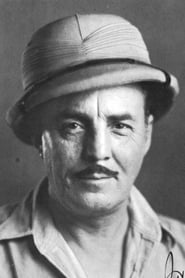
Frank Buck
Actor
Born: March 17, 1884 in Gainesville, Texas, USA Died: March 25, 1950 Active: 1910s-1950 Birth Name: Frank Howard Buck
Films
1 film
About Frank Buck
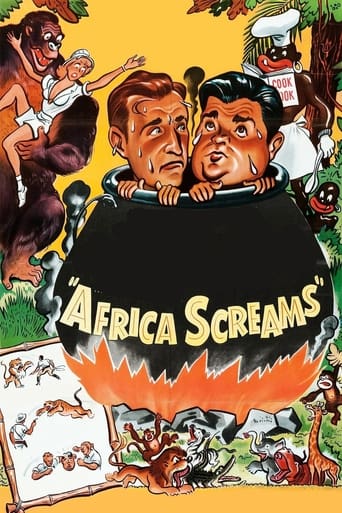
American hunter, animal collector, and author who became famous for his worldwide adventures capturing exotic animals for zoos and circuses. He gained international fame with his 1930 book 'Bring 'em Back Alive' and subsequent film adaptations, which documented his thrilling expeditions to Africa, Asia, and South America. Buck transitioned from real-life adventurer to Hollywood celebrity, appearing in numerous films throughout the 1930s and 1940s, often playing himself or similar adventurer roles. His most famous film appearance was in the 1950 comedy 'Africa Screams' alongside Abbott and Costello, where he parodied his own public persona. Beyond his film career, Buck authored several books about his adventures, hosted radio programs, and became recognizable figures of his era associated with wildlife and exploration. His screen career spanned the 1910s through the early 1950s, making him a unique figure who bridged the gap between the golden age of exploration and the entertainment industry of early Hollywood.
The Craft
On Screen
Buck's acting style was essentially playing himself - a rugged, confident adventurer with a distinctive Texas drawl and commanding presence. He wasn't a trained actor but brought authenticity to his roles through his real-life experiences and natural charisma. His performances were straightforward and unpretentious, relying on his genuine expertise with animals and adventure rather than theatrical technique.
Milestones
- Published 'Bring 'em Back Alive' (1930)
- Starred in 'Bring 'em Back Alive' film (1932)
- Appeared in 'Africa Screams' with Abbott and Costello (1950)
- Captured over 100,000 animals worldwide
- Hosted popular radio show 'Frank Buck's Adventures'
- Opened Frank Buck's Jungle Camp amusement park (1939)
Best Known For
Iconic Roles
Must-See Films
Accolades
Special Recognition
- Hollywood Walk of Fame star (1960, posthumous)
- Texas Hall of Fame (inducted)
- International Wildlife Museum Hall of Fame
Working Relationships
Worked Often With
Studios
Why They Matter
Impact on Culture
Frank Buck significantly influenced American popular culture's perception of adventure and wildlife during the 1930s and 1940s. His catchphrase 'Bring 'em Back Alive' became part of the American lexicon, representing daring and adventure. Buck helped romanticize the idea of the explorer-adventurer in popular imagination, bridging the gap between the age of exploration and modern entertainment. His work predated and influenced later wildlife documentary traditions, though his methods of animal capture would later be criticized by conservationists. Buck represented a particular era of American expansionism and fascination with the exotic, becoming a cultural icon who embodied the spirit of adventure that characterized pre-WWII America.
Lasting Legacy
Frank Buck's legacy endures through his contributions to adventure literature, early wildlife films, and American popular culture. While his methods of animal collection would not be considered ethical by modern standards, he played a crucial role in bringing knowledge of exotic wildlife to the American public. His books and films helped establish the adventure genre in popular entertainment and paved the way for future nature documentarians. Buck's Jungle Camp amusement park in California was one of the first theme parks dedicated to wildlife and adventure, influencing later developments in family entertainment. His star on the Hollywood Walk of Fame commemorates his unique contribution to American entertainment as one of the first real-life adventurers to become a media celebrity.
Who They Inspired
Buck influenced generations of adventurers, documentarians, and entertainers who followed. His success demonstrated that real-life expertise could be marketable entertainment, influencing figures like Jacques Cousteau, Steve Irwin, and Bear Grylls who would later combine adventure with media presentation. His books helped establish the adventure memoir as a popular literary genre. In cinema, Buck helped establish the market for adventure films based on real expeditions, influencing the development of both documentary and fictional adventure genres. His ability to parlay real-world experience into entertainment success created a template that many later personalities would follow.
Off Screen
Frank Buck was married four times throughout his life. His first marriage to Lillian Burkle ended in divorce. He then married Nina C. Boardman, which also ended in divorce. His third marriage was to actress Muriel Reilly, which lasted from 1938 until her death in 1948. He married his fourth wife, Margaret Larkin, in 1949, just a year before his own death. Buck had no children of his own but was known for his deep affection for animals, considering them his family.
Education
Attended public schools in Gainesville, Texas; no formal higher education, learned through practical experience and world travel
Family
- Lillian Burkle (1914-1921)
- Nina C. Boardman (1923-1934)
- Muriel Reilly (1938-1948)
- Margaret Larkin (1949-1950)
Did You Know?
- His famous catchphrase 'Bring 'em Back Alive' became a cultural phenomenon
- Captured his first tiger at age 35 while working in Singapore
- Once wrestled a python for over an hour to capture it
- His 1932 film 'Bring 'em Back Alive' was a box office hit despite the Great Depression
- Survived multiple animal attacks, including being mauled by a tiger
- Was friends with President Theodore Roosevelt Jr.
- His Jungle Camp amusement park featured live animal shows
- Spoke several languages including Malay and Chinese dialects
- Once delivered 500 animals to the Bronx Zoo in a single shipment
- His expeditions were often funded by wealthy patrons and zoos
- Appeared on cereal boxes and other merchandise during his peak popularity
In Their Own Words
'Bring 'em back alive!'
'When I go after an animal, I always bring him back alive - if I can.'
'A tiger in a zoo is like a man in prison - he's alive, but he's not living.'
'The thrill of the hunt is not in the killing, but in the capture.'
'I've faced death a hundred times, but I've never been afraid to die.'
Frequently Asked Questions
Who was Frank Buck?
Famous American animal collector, adventurer, author, and with credits in this catalog. He became a cultural icon through his books, films, and public appearances, embodying the spirit of adventure during the golden age of exploration.
What films is Frank Buck best known for?
Titles linked here include Bring 'em Back Alive (1932), Wild Cargo (1934).
When was Frank Buck born and when did he die?
Born March 17, 1884; died March 25, 1950.
What awards did Frank Buck win?
While Frank Buck didn't receive traditional film awards during his lifetime, he was posthumously honored with a star on the Hollywood Walk of Fame in 1960. He was also inducted into the Texas Hall of Fame and the International Wildlife Museum Hall of Fame for his contributions to adventure and wildlife education.
What was Frank Buck's acting style?
Frank Buck's acting style was natural and authentic, essentially playing himself in most roles. He wasn't a trained actor but brought genuine credibility to his performances through his real-life experiences, distinctive Texas drawl, and commanding presence as an adventurer.
What was Frank Buck's famous catchphrase?
Frank Buck's famous catchphrase was 'Bring 'em Back Alive!' which became synonymous with his brand and represented his method of capturing animals without killing them for zoos and circuses around the world.
How did Frank Buck impact popular culture?
Frank Buck significantly influenced American popular culture by popularizing adventure and wildlife themes during the 1930s-40s. His catchphrase entered the American lexicon, his books became bestsellers, and he helped establish the adventure genre in both literature and cinema, inspiring future generations of wildlife documentarians and adventurers.