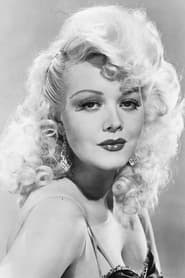
Marion Martin
Actor
Born: June 7, 1907 in Philadelphia, Pennsylvania, USA Died: August 8, 1985 Active: 1936-1950 Birth Name: Marion Suplee
Films
2 films
About Marion Martin
Marion Martin, born Marion Suplee, was a prolific American character actress who flourished during Hollywood's Golden Age, appearing in over 50 films between 1936 and 1950. She began her career as a Broadway chorus girl before being discovered by Paramount Pictures, where she was placed under contract and quickly became one of the studio's most reliable supporting players. Martin specialized in playing glamorous blondes, often cast as the other woman, wisecracking best friends, or comedic foils to leading stars. Her breakthrough came with her role in 'True Confession' (1937) opposite Carole Lombard, which established her as a familiar face in Hollywood comedies. Throughout the 1940s, she worked consistently at various studios including Warner Bros., Universal, and RKO, demonstrating remarkable versatility across genres from screwball comedies to film noir. Despite never achieving leading lady status, Martin's memorable performances and distinctive screen presence made her a beloved character actress among audiences of the era. Her career gradually wound down in the early 1950s, after which she retired from acting and devoted herself to her family and charitable work.
The Craft
On Screen
Marion Martin was known for her sharp comedic timing, effervescent screen presence, and ability to deliver witty dialogue with impeccable precision. She specialized in playing sophisticated, often glamorous women with a hidden vulnerability or comedic edge, frequently serving as the perfect foil to both male and female leads. Her acting style combined the glamour of a Hollywood blonde with the down-to-earth relatability of a character actress, allowing her to seamlessly transition between dramatic and comedic roles. Martin had a particular talent for playing 'the other woman' roles with enough charm and humor to make audiences root for her rather than resent her character.
Milestones
- Signed contract with Paramount Pictures in 1936
- Breakthrough role in 'True Confession' (1937) opposite Carole Lombard
- Appeared in over 50 films during her 14-year career
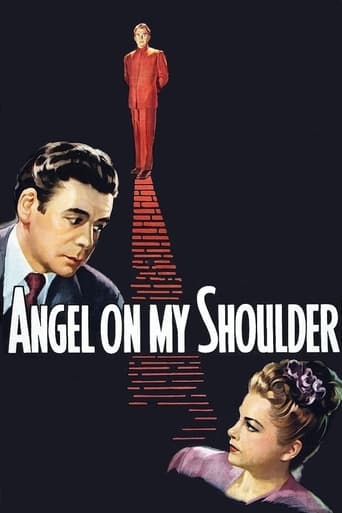
- Memorable performance as Miss Hinkle in 'Angel on My Shoulder' (1946)
- Transitioned successfully from Broadway to Hollywood film stardom
- Became one of Hollywood's most recognizable character actresses of the 1940s
Best Known For
Iconic Roles
Must-See Films
Accolades
Special Recognition
- Recognized as one of Hollywood's most reliable character actresses of the 1940s
Working Relationships
Worked Often With
Studios
Why They Matter
Impact on Culture
Marion Martin contributed significantly to the Golden Age of Hollywood by embodying the archetype of the sophisticated supporting actress who could elevate any film with her presence. Her work in screwball comedies helped define the genre's distinctive blend of wit and glamour, while her performances in dramatic roles demonstrated the depth and versatility of character actresses during this era. Martin's ability to play both sympathetic and antagonistic characters with equal skill made her a valuable asset to Hollywood studios and helped establish the importance of strong supporting performances in classic cinema. Her career trajectory from Broadway chorus girl to reliable Hollywood character actress represented a common path for many women in the film industry during the 1930s and 1940s.
Lasting Legacy
Marion Martin's legacy endures through her memorable performances in classic Hollywood films that continue to be celebrated by film enthusiasts and historians. She represents the essential role that character actresses played in creating the Golden Age cinema, often stealing scenes from more prominent stars with their distinctive personalities and impeccable timing. Her work shows the importance of supporting performances in creating enduring classic films, and her appearances in beloved movies like 'Angel on My Shoulder' ensure that new generations of film lovers continue to discover and appreciate her talent. Martin's career exemplifies the journey of countless Hollywood actresses who found success not as leading ladies but as indispensable character players who made films better through their contributions.
Who They Inspired
While not widely documented as a direct influence on subsequent generations of actors, Marion Martin's work in supporting roles helped establish the template for character actresses in American cinema. Her ability to balance glamour with comedic timing influenced how Hollywood approached the casting of secondary female characters, demonstrating that supporting roles could be just as memorable and significant as leads. Her success in playing sophisticated, witty women contributed to the evolution of female characters in Hollywood films, helping move beyond one-dimensional stereotypes to create more complex and engaging supporting roles.
Off Screen
Marion Martin married actor and screenwriter Robert Presnell Sr. In 1937, and their marriage lasted until his death in 1969. The couple had one daughter together, and Martin devoted herself to family life after retiring from acting. She was known for her charitable work and involvement with various Hollywood community organizations. Martin maintained friendships with many of her Hollywood colleagues throughout her life and was remembered fondly as a gracious and generous person off-screen. Her later years were spent quietly in Santa Monica, where she remained connected to the film community through various social and charitable activities.
Education
Attended local schools in Philadelphia; early training in dance and performance
Family
- Robert Presnell Sr. (1937-1969)
Did You Know?
- Born Marion Suplee but changed her name for her film career
- Began as a Broadway chorus girl before transitioning to films
- Was under contract to Paramount Pictures for much of her career
- Known for her distinctive blonde hair and sophisticated screen presence
- Appeared in over 50 films during her 14-year Hollywood career
- Often played 'the other woman' but with enough charm to remain sympathetic
- Was particularly skilled at screwball comedy, requiring precise timing and delivery
- Retired from acting in the early 1950s to focus on family life
- Married screenwriter Robert Presnell Sr., who wrote many of the films she appeared in
- Her final film appearance was in 'The Big Clock' (1948)
In Their Own Words
I never wanted to be a star. I just wanted to be a good actress and make a living doing what I loved.
Frequently Asked Questions
Who was Marion Martin?
American character actress active during Hollywood's Golden Age, appearing in over 50 films from 1936 to 1950. She was known for her work as a supporting player, often playing glamorous blondes in comedies and dramas, and was particularly memorable in films like 'Angel on My Shoulder' and 'True Confession'.
What films is Marion Martin best known for?
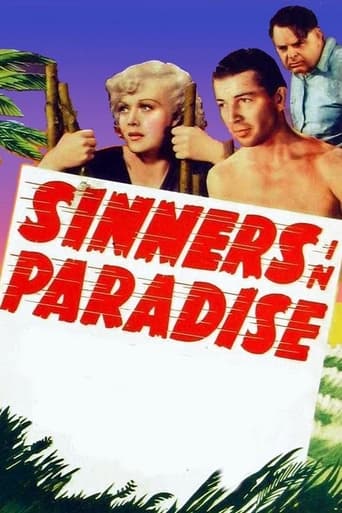
Titles linked here include Angel on My Shoulder (1946), Sinners in Paradise (1938).
When was Marion Martin born and when did she die?
Born June 7, 1907; died August 8, 1985.
What awards did Marion Martin win?
Despite her prolific career and memorable performances, Marion Martin did not receive major formal awards or Academy Award nominations. However, she was widely recognized within the industry as one of Hollywood's most reliable and talented character actresses of the 1940s.
What was Marion Martin's acting style?
Marion Martin was known for her sharp comedic timing, sophisticated screen presence, and ability to deliver witty dialogue with precision. She specialized in playing glamorous, often witty women who could be both sympathetic and antagonistic, excelling particularly in screwball comedies where her timing and delivery were essential to the films' success.