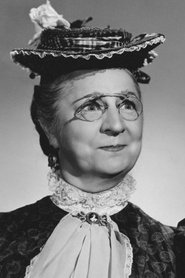
Sarah Edwards
Actor
Born: October 12, 1881 in Monmouthshire, Wales Died: January 7, 1965 Active: 1929-1952
Films
1 film
About Sarah Edwards
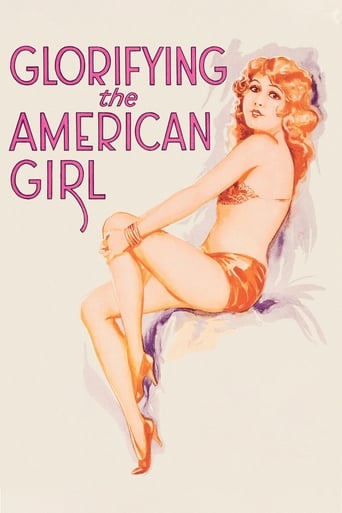
Sarah Edwards (1881-1965) was a Welsh-born American actress who had a prolific career in Hollywood during the Golden Age. Born in Wales, she moved to the United States and began her acting career on stage before transitioning to films. Sarah appears in her first film in 1929 with 'Glorifying the American Girl,' which marked her entry into the movie industry during the transition from silent films to talkies. Throughout her career, she became known as one of Hollywood's most reliable character actresses, appearing in over 200 films between 1929 and 1952. Edwards specialized in playing maternal figures, often cast as mothers, aunts, or housekeepers in both comedies and dramas. She worked with many of Hollywood's biggest stars and directors, becoming a familiar face to audiences of the era. Her more than two decades, and she continued working steadily until her retirement in the early 1950s.
The Craft
On Screen
Edwards was known for her natural, understated acting style that brought authenticity to her maternal roles. She had a warm, comforting presence on screen that made her believable as mothers and caretakers. Her technique was rooted in her theatrical background, bringing stage-trained precision to her film performances. She excelled at subtle emotional expression, often conveying deep feelings through small gestures and facial expressions rather than dramatic outbursts. Her Welsh accent, though softened by years in America, added a distinctive quality to her speech in early talkies.
Milestones
- Film debut in 'Glorifying the American Girl' (1929)
- Appeared in over 200 films during her career
- Became one of Hollywood's most recognizable character actresses
- Worked with major studios including MGM and Warner Bros
- Specialized in maternal roles throughout the Golden Age
Best Known For
Iconic Roles
Must-See Films
Accolades
Special Recognition
- Recognized as one of Hollywood's most prolific character actresses
- Appeared in multiple Academy Award Best Picture winners
Working Relationships
Worked Often With
Studios
Why They Matter
Impact on Culture
Sarah Edwards contributed significantly to the fabric of Golden Age Hollywood cinema by providing emotional depth and authenticity to hundreds of films. As. Her performances in classic films like 'It's a Wonderful Life' and 'The Best Years of Our Lives' contributed to these films' enduring emotional resonance. Edwards represented the working actress who built a steady career through reliability and versatility rather than stardom, embodying the professional spirit that powered Hollywood's golden era. Her Welsh heritage also represented the diversity of talent that contributed to American cinema's development.
Lasting Legacy
Sarah Edwards' legacy lives on through her extensive body of work that continues to be discovered by new generations of classic film enthusiasts. While never a star, her consistent presence in so many beloved films makes her an integral part of Hollywood's Golden Age tapestry. Film historians recognize her as an example of the essential character actors who provided the foundation upon which star performances could shine. Her ability to bring warmth and authenticity to maternal roles helped establish conventions for portraying family relationships in American cinema. Edwards represents the thousands of working actors whose cumulative contributions shaped the golden age of Hollywood film.
Who They Inspired
Edwards influenced subsequent generations of character actresses through her professional approach and versatility. Her ability to make small roles memorable demonstrated the importance of supporting performances in creating a cohesive film. Younger actresses studying her work could learn techniques for conveying emotion subtly and creating believable characters with limited screen time. Her career showed that success in Hollywood didn't require stardom, but could be achieved through reliability and craft. Edwards' work ethic and adaptability during the transition from silent to sound film provided a model for actors navigating technological changes in the industry.
Off Screen
Sarah Edwards was married to actor and director Robert McKim, though the marriage ended in divorce. She never remarried and had no children. She lived primarily in Hollywood during her film career and was known as a private person who rarely gave interviews. Despite her extensive filmography, she maintained a relatively low public profile and was respected by colleagues for her professionalism and dedication to her craft. After retiring from acting, she lived quietly in Los Angeles until her death in 1965 at the age of 83.
Education
Limited information available about her formal education, but she likely received theatrical training in Wales before moving to the United States
Family
- Robert McKim (dates unknown, ended in divorce)
Did You Know?
- Born in Wales but became one of Hollywood's most recognizable American mothers
- Appeared in her first film at age 48
- Worked consistently through the Great Depression when many actors struggled
- Appeared in multiple films that won the Academy Award for Best Picture
- Was one of the few Welsh-born actresses to achieve success in Golden Age Hollywood
- Never received top billing but appeared in more films than many stars of her era
- Her active years covered the entire Golden Age of Hollywood
- Often played characters much older than her actual age
- Was a favorite of director Frank Capra, who cast her in several films
- Retired from acting in the early 1950s as the studio system began to decline
Frequently Asked Questions
Who was Sarah Edwards?
Screen credits include over 200 films during Hollywood's Golden Age. She specialized in playing mothers, aunts, and maternal figures in classic films from 1929 to 1952, becoming.
What films is Sarah Edwards best known for?
Titles linked here include Glorifying the American Girl (1929), It's a Wonderful Life (1946).
When was Sarah Edwards born and when did she die?
Born October 12, 1881; died January 7, 1965.
What awards did Sarah Edwards win?
Sarah Edwards did not receive major awards or nominations during her career, typical of many character actresses of her era. However, she appeared in multiple films that won Academy Awards for Best Picture, including 'The Best Years of Our Lives' and 'It's a Wonderful Life.'
What was Sarah Edwards' acting style?
Edwards was known for her natural, understated acting style that brought authenticity to maternal roles. She excelled at subtle emotional expression, conveying deep feelings through small gestures rather than dramatic performances, making her characters feel genuine and relatable.
How many films did Sarah Edwards appear in?
Sarah Edwards appeared in more than 200 films between 1929 and 1952, making her. She worked consistently throughout her career, appearing in multiple films each year.
Was Sarah Edwards married?
Sarah Edwards was married to actor and director Robert McKim, though the marriage ended in divorce. She never remarried and had no children, living a relatively private life despite her extensive film career.
What made Sarah Edwards special as an actress?
Edwards was special for her ability to make small roles memorable and her consistent reliability as a character actress. She brought warmth and authenticity to every performance, helping establish the archetype of the caring mother figure in American cinema while working across multiple genres and studios.