Edmund MacDonald
Actor
Born: March 27, 1901 in Staten Island, New York, USA Died: December 29, 1958 Active: 1940-1958
Films
1 film
About Edmund MacDonald
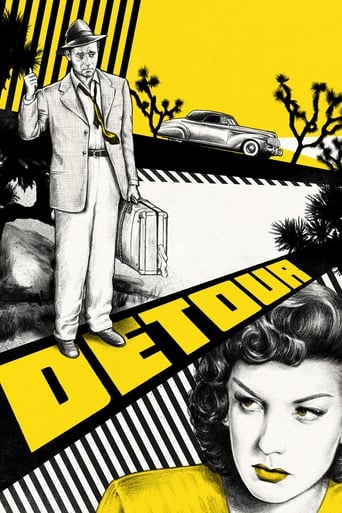
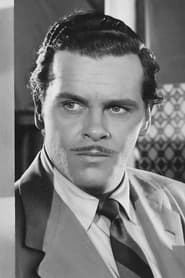
American character actor who worked steadily in Hollywood during the 1940s, becoming especially familiar to viewers of crime dramas, thrillers, and film noir. He is best remembered for his role in Detour (1945), where his hard-boiled screen presence fit the bleak atmosphere of the film and helped define the kind of tough, world-weary supporting players that populated B-picture crime cinema. MacDonald’s career was brief but prolific, and he appeared in a range of studio productions, typically cast as detectives, reporters, gangsters, roughneck associates, or other authoritative men in tense urban stories. His screen persona relied less on glamour than on directness, urgency, and a convincing street-level authenticity that made him effective in fast-moving second features. Because he worked largely in supporting roles, he never became a major star, but he contributed importantly to the texture and credibility of mid-1940s genre filmmaking. He is one of many classic Hollywood performers whose names are less widely remembered than their faces, yet whose work remains visible in surviving genre pictures. His filmography suggests a career concentrated almost entirely in the wartime and immediate postwar years, with his most enduring exposure coming from film noir enthusiasts and later audiences rediscovering Detour.
The Craft
On Screen
MacDonald’s acting style was straightforward, unsentimental, and firmly rooted in realism. He was not typically cast for broad comedy or refined sophistication; instead, he excelled in tense, hard-edged situations where a calm or wary presence was required. His performances often emphasized clipped delivery, physical economy, and a no-nonsense manner that suited noir, crime, and police stories. He had the sort of expressive face and voice that could quickly establish a character’s profession, social background, or level of danger without lengthy exposition.
Milestones
- Appeared in the cult film noir Detour (1945),
- Built a steady career in supporting roles in crime films, thrillers, and studio programmers throughout the 1940s and 1950s
- Became a recognizable character actor whose face and voice added grit and realism to B-movie storytelling
- Worked during the classic studio era when character actors were essential to the production of efficiently made genre films
Best Known For
Iconic Roles
Must-See Films
Working Relationships
Worked Often With
Studios
Why They Matter
Impact on Culture
Edmund MacDonald’s cultural impact lies less in stardom than in his contribution to the atmosphere of classic Hollywood crime cinema. Character actors like MacDonald were indispensable to the look and feel of film noir, supplying the toughness, ambiguity, and everyday realism that made these movies convincing. His presence in Detour places him within one of the defining works of American noir, a film later celebrated for its fatalism and stark low-budget intensity. Though he was not a marquee name, his performances helped sustain the broader ecosystem of genre filmmaking that shaped mid-century popular culture.
Lasting Legacy
MacDonald’s legacy is preserved primarily through the continuing popularity of Detour and through the work of noir historians and classic film fans who value supporting actors as much as stars. He represents a type of studio-era performer whose career was built on reliability, versatility, and the ability to enhance a scene without overwhelming it. In film history, such actors are essential to understanding how Hollywood’s genre machine functioned, especially in the 1940s when crime pictures depended on credible supporting casts. His surviving screen appearances continue to be studied as part of the texture of noir and B-movie acting.
Who They Inspired
MacDonald’s influence is indirect but meaningful: he helped define the practical, hardened supporting-player style that later character actors would continue to emulate in noir, crime television, and neo-noir cinema. While he does not appear to have mentored a documented group of performers, his work contributed to the screen vocabulary of the tough-talking secondary role. The efficiency and realism of his performances demonstrate how much classic Hollywood depended on non-star actors to create believable worlds. For later filmmakers and acting students, performers like MacDonald offer a model of disciplined, economically expressive screen acting.
Off Screen
Publicly available biographical information about Edmund MacDonald’s personal life is limited, which is common for supporting players of the studio era. He did not achieve the level of celebrity that would generate extensive press coverage about marriages, children, or domestic life, and many of those details are not readily documented in standard film references. What is clear is that he worked as a professional actor during Hollywood’s classic period and maintained a career centered on supporting parts rather than star vehicles. Because of the relative scarcity of reliable personal documentation, much of his private life remains obscure to modern researchers.
Did You Know?
- He is most readily remembered today by fans of film noir rather than by casual audiences.
- Detour (1945) is the film that most strongly preserves his reputation.
- He worked primarily as a character actor rather than a leading man.
- His career was concentrated in the 1940s and 1950s, the classic studio era for noir and crime programming.
- Like many supporting players of the era, he was crucial to the realism of low-budget genre films.
- He is often discussed in film histories as part of the great unsung ranks of Hollywood character actors.
- Available documentation about his private life is relatively sparse compared with major stars of the period.
Frequently Asked Questions
Who was Edmund MacDonald?
American character with credits in this catalog. He is best remembered for supporting roles in crime films and film noir, especially Detour (1945).
What films is Edmund MacDonald best known for?
Titles linked here include Detour (1945).
When was Edmund MacDonald born and when did he die?
Born March 27, 1901; died December 29, 1958.
What awards did Edmund MacDonald win?
No major awards or widely documented nominations are known for Edmund MacDonald. Like many supporting players of his era, his recognition came more from steady work and later critical appreciation than from formal honors.
What was Edmund MacDonald’s acting style?
His acting style was direct, restrained, and practical, with an emphasis on believable toughness and clear screen presence. He was especially effective in hard-boiled crime material where a grounded, unsentimental performance was needed.
What is Edmund MacDonald’s legacy in film history?
His legacy is tied to the importance of character actors in classic Hollywood, especially in noir and crime pictures. He remains a familiar face to enthusiasts of Detour and mid-century B-movies, where his performances helped create a convincing urban atmosphere.