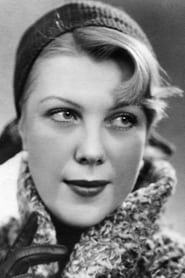
Tamara Nosova
Actor
Born: November 21, 1927 in Moscow, Soviet Union Died: March 25, 2007 Active: 1949-1995 Birth Name: Tamara Makarovna Nosova (Тамара Макаровна Носова)
Films
1 film
About Tamara Nosova
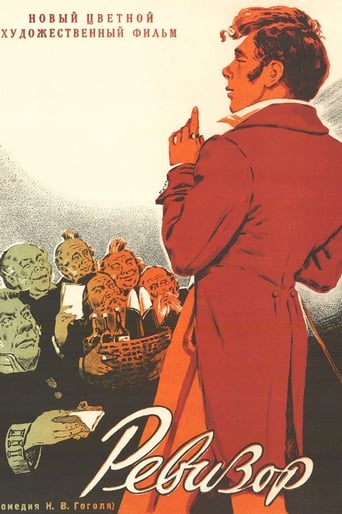
Tamara Makarovna Nosova — Soviet actress whose over four decades, though she was most prominent during the 1950s and 1960s. Born in Moscow in 1927, she graduated from the prestigious Gerasimov Institute of Cinematography (VGIK) in 1949, where she studied under renowned acting teacher Vladimir Belokurov. Her breakthrough role came in the 1952 comedy classic 'The Inspector-General,' where her comedic timing and expressive performance caught the attention of Soviet audiences and critics alike. Throughout her career, Nosova became particularly known for her roles in comedies and musical films, often playing vivacious, charming characters with a distinctive comedic flair. She worked extensively with major Soviet film studios, particularly Mosfilm, appearing in over 50 films throughout her career. Despite the challenges of working within the Soviet film industry's constraints, Nosova managed to create memorable performances that showcased her versatility as an actress. Her later years saw her taking on more dramatic roles, though she remained beloved by audiences primarily for her comedic work. She continued acting well into the 1990s, appearing in both films and television productions, cementing her status as one of Soviet cinema's most recognizable character actresses.
The Craft
On Screen
Nosova was renowned for her expressive, energetic comedic performances characterized by impeccable timing and a distinctive, vivacious screen presence. Her acting style combined elements of traditional Russian theatrical tradition with cinematic naturalism, allowing her to create memorable characters that were both larger-than-life and relatable. She possessed a remarkable ability to convey complex emotions through subtle facial expressions and body language, particularly excelling in roles that required both comedic and dramatic elements. Her voice work was equally distinctive, with a melodic quality that made her particularly effective in musical films and comedies.
Milestones
- Graduated from VGIK (1949)
- Breakthrough role in The Inspector-General (1952)
- Leading roles in popular Soviet comedies of the 1950s-60s
- Transition to dramatic roles in the 1970s
- Honored Artist of the RSFSR (1965)
- People's Artist of the RSFSR (1981)
- Over 50 film appearances throughout career
- Successful television work in later years
Best Known For
Iconic Roles
Must-See Films
Accolades
Won
- Honored Artist of the RSFSR (1965)
- People's Artist of the RSFSR (1981)
- Order of the Badge of Honour (1967)
- Order of Friendship (1997)
Special Recognition
- Honored Artist of the RSFSR
- People's Artist of the RSFSR
- Order of the Badge of Honour
- Order of Friendship
Working Relationships
Worked Often With
Studios
Why They Matter
Impact on Culture
Tamara Nosova played a significant role in shaping Soviet comedy cinema during the Golden Age of Soviet film. Her performances in the 1950s and 1960s helped define the archetype of the Soviet comedic heroine - charming, witty, and relatable. She was part of a generation of actors who successfully navigated the challenging balance between artistic expression and the ideological requirements of Soviet cinema. Her work in 'The Inspector-General' and other comedies contributed to the development of a uniquely Soviet style of comedy that blended satire with social commentary. Nosova's films were widely popular across the Soviet Union and Eastern Bloc countries, making her.
Lasting Legacy
Tamara Nosova's legacy endures through her extensive filmography, which continues to be celebrated in retrospectives and film festivals dedicated to classic Soviet cinema. She is remembered as. Her influence can be seen in subsequent generations of Russian actresses who followed in her footsteps, particularly in the realm of comedy. Many of her films, especially 'The Inspector-General,' are considered classics of Soviet cinema and are regularly shown on Russian television. The preservation and restoration of her films have introduced her work to new audiences, ensuring that her contributions to cinema are not forgotten. Her career serves as an important example of how artists could maintain artistic integrity while working within the constraints of the Soviet system.
Who They Inspired
Nosova influenced Soviet and Russian cinema through her work in comedy, particularly in establishing a template for female comedic roles that balanced charm with intelligence. Her technique of combining theatrical expressiveness with cinematic naturalism influenced younger actors studying at VGIK. Directors frequently cited her as an ideal collaborator due to her professionalism and ability to elevate material through her performances. Her success in both comedy and drama demonstrated to subsequent generations the importance of versatility in an actor's career. The Basov family's continued involvement in cinema through her son Vladimir Basov Jr. Represents a direct continuation of her artistic influence.
Off Screen
Tamara Nosova was known for being a private person who rarely discussed her personal life in public. She was married twice, first to fellow actor Yuri Yakovlev, though their marriage was short-lived. Her second marriage was to director Vladimir Basov, with whom she had a son, Vladimir Basov Jr., who also became a film director. Despite her fame, Nosova maintained a relatively modest lifestyle and was known among colleagues for her professionalism and dedication to her craft. She was particularly close to her family and often spoke about the importance of balancing her career with her family responsibilities.
Education
Graduated from the Gerasimov Institute of Cinematography (VGIK) in 1949, studied under Vladimir Belokurov
Family
- Yuri Yakovlev (1950s)
- Vladimir Basov (1960s-1970s)
Did You Know?
- Her breakthrough role in 'The Inspector-General' was originally offered to another actress, but Nosova's screen test impressed director Vladimir Petrov so much that he immediately cast her
- She was known for her distinctive laugh, which became one of her trademarks in comedic roles
- Despite her success in comedy, Nosova considered herself primarily a dramatic actress and often sought out serious roles
- She was fluent in three languages: Russian, English, and French
- During World War II, as a teenager, she worked in a factory making military equipment
- Her second husband Vladimir Basov directed her in several of her most successful films
- She was known for her meticulous preparation for roles, often spending months studying characters before filming
- Nosova was one of the few Soviet actresses who successfully transitioned from the Stalin era to the more liberal Khrushchev Thaw period
- She received fan mail from across the Soviet Union and was particularly popular in Central Asian republics
- In her later years, she taught acting at VGIK, passing on her knowledge to the next generation of Russian actors
In Their Own Words
Comedy is the most serious genre. To make people laugh, you must understand their deepest sorrows.
In Soviet cinema, we had to find truth within the constraints we were given. Sometimes limitations create the greatest art.
Every role, no matter how small, is a lifetime of experience compressed into a few moments on screen.
Frequently Asked Questions
Who was Tamara Nosova?
Prominent Soviet and Russian actress best known for her work in comedy films during the 1950s and 1960s. She appeared in over 50 films throughout her career and was recognized as both an Honored Artist and People's Artist of the RSFSR for her contributions to cinema.
What films is Tamara Nosova best known for?
Titles linked here include The Inspector-General (1952), The Girl with a Guitar (1958).
When was Tamara Nosova born and when did she die?
Born November 21, 1927; died March 25, 2007.
What awards did Tamara Nosova win?
Tamara Nosova received several prestigious honors including the title of Honored Artist of the RSFSR in 1965 and People's Artist of the RSFSR in 1981. She was also awarded the Order of the Badge of Honour in 1967 and the Order of Friendship in 1997 for her contributions to Soviet and Russian culture.
What was Tamara Nosova's acting style?
Nosova was known for her expressive, energetic comedic performances characterized by impeccable timing and a distinctive screen presence. Her style combined traditional Russian theatrical techniques with cinematic naturalism, allowing her to create memorable characters that were both larger-than-life and relatable to Soviet audiences.