
Nadezhda Rumyantseva
Actor
Born: September 9, 1930 in Potapovo, Moscow Oblast, Soviet Union Died: April 8, 2008 Active: 1955-1985 Birth Name: Nadezhda Vasilyevna Rumyantseva
Films
1 film
About Nadezhda Rumyantseva
Nadezhda Vasilyevna Rumyantseva — beloved Soviet actress who became recognizable and adored comedic performers of her generation. Born in 1930 in a small village near Moscow, she discovered her passion for acting early and graduated from the prestigious Gerasimov Institute of Cinematography (VGIK) in 1955. Her breakthrough role came in 'The Girl Without an Address' (1957), where her natural comedic timing and infectious charm captivated audiences across the Soviet Union. Throughout the late 1950s and 1960s, Rumyantseva became the quintessential 'girl next door' in Soviet cinema, starring in numerous popular comedies that showcased her ability to blend innocence with sharp wit. Her performances in films like 'A Noisy Day' (1960) and 'Queen of the Gas Station' (1962) cemented her status as a national treasure. Despite her immense popularity, she remained humble and dedicated to her craft, continuing to act in films and television through the 1970s and 1980s. Rumyantseva's over three decades, during which she appeared in more than 30 films and became an enduring symbol of Soviet cinema's golden age.
The Craft
On Screen
Rumyantseva was known for her natural, spontaneous comedic style characterized by bright eyes, expressive facial features, and an infectious smile. Her acting combined youthful innocence with sharp comedic timing, often portraying energetic, optimistic young women who won audiences' hearts through sincerity and charm. She had a unique ability to deliver both physical comedy and subtle emotional moments with equal authenticity.
Milestones
- Graduated from VGIK in 1955
- Breakthrough role in 'The Girl Without an Address' (1957)
- Starred in 'A Noisy Day' (1960)
- Iconic performance in 'Queen of the Gas Station' (1962)
- Received People's Artist of RSFSR title in 1991
Best Known For
Iconic Roles
Must-See Films
Accolades
Won
- People's Artist of the RSFSR (1991)
- Honored Artist of the RSFSR (1969)
- Order of Friendship (2000)
- Order 'For Merit to the Fatherland' IV class (2005)
Nominated
- State Prize of the RSFSR nomination for acting
Special Recognition
- Star on the Avenue of Stars in Moscow
- Honorary citizen of several Russian cities
- Multiple film festival retrospective honors
Working Relationships
Worked Often With
Studios
Why They Matter
Impact on Culture
Nadezhda Rumyantseva became a cultural phenomenon in the Soviet Union, representing the ideal of Soviet womanhood - energetic, optimistic, and dedicated to collective values. Her films were consistently among the most popular releases, with millions of Soviet citizens flocking to theaters to see her latest comedy. She transcended mere entertainment to become a symbol of hope and joy during challenging times, particularly in the post-Stalin era when Soviet society was opening up to lighter, more optimistic cultural expressions. Her image appeared on magazine covers, posters, and even postage stamps, making her.
Lasting Legacy
Rumyantseva's legacy endures through her timeless film performances that continue to be broadcast on Russian television and enjoyed by new generations. She paved the way for women in Soviet comedy, demonstrating that female performers could carry films with their comedic talent rather than just serving as romantic interests. Her films are studied in Russian film schools as examples of perfect comedic timing and natural acting. The 'Rumyantseva style' of bright, sincere comedy influenced generations of Russian actresses and continues to be referenced in contemporary Russian cinema and television.
Who They Inspired
Rumyantseva influenced Soviet and Russian cinema by establishing a template for female comedic performance that balanced charm with intelligence. Her success proved that comedies starring women could be major commercial successes, encouraging studios to invest in female-driven comedies. Younger actresses frequently cited her as an inspiration for her ability to maintain dignity while playing comedic roles. Her approach to physical comedy and emotional authenticity influenced performers across the Soviet Union and continues to be referenced in Russian acting schools today.
Off Screen
Rumyantseva married film director Vil Newsky in 1958, though their marriage ended in divorce. She later married actor Vyacheslav Tikhonov, one of Soviet cinema's most respected dramatic actors, but this marriage also ended in divorce. Despite her public success, she was known for being very private about her personal life and rarely gave interviews about her relationships. She had no children but was beloved by her nieces and nephews, who described her as a warm and caring aunt.
Education
Gerasimov Institute of Cinematography (VGIK), graduated 1955; studied under renowned acting teacher Boris Bibikov
Family
- Vil Newsky (1958-1961)
- Vyacheslav Tikhonov (1968-1971)
Did You Know?
- Was discovered while working as a telephone operator
- Initially rejected from VGIK twice before being accepted
- Her smile was considered one of her most famous features
- Often performed her own stunts in comedies
- Was a talented singer and recorded several songs
- Refused to leave the Soviet Union despite offers to work abroad
- Maintained lifelong friendships with many of her co-stars
- Was known for her modesty despite her fame
- Spent her later years teaching young actors
- Her films continue to draw high ratings on Russian television decades after their release
In Their Own Words
I never tried to be funny, I just tried to be honest and natural
Comedy is serious business - it requires more skill than drama
The audience's laughter is the greatest reward an actor can receive
I always tried to find something good in every character I played
Frequently Asked Questions
Who was Nadezhda Rumyantseva?
Nadezhda Rumyantseva was one of the Soviet Union's most beloved comedic actresses, known for her bright smile and natural acting style in popular films of the 1950s and 1960s. She became a cultural icon through her roles in comedies like 'The Girl Without an Address' and 'Queen of the Gas Station'.
What films is Nadezhda Rumyantseva best known for?
Titles linked here include The Girl Without an Address (1957), A Noisy Day (1960).
When was Nadezhda Rumyantseva born and when did she die?
Born September 9, 1930; died April 8, 2008.
What awards did Nadezhda Rumyantseva win?
Rumyantseva received numerous honors including the title of People's Artist of the RSFSR (1991), Honored Artist of the RSFSR (1969), the Order of Friendship (2000), and the Order 'For Merit to the Fatherland' IV class (2005).
What was Nadezhda Rumyantseva's acting style?
Rumyantseva was known for her natural, spontaneous comedic style characterized by expressive facial features, infectious charm, and perfect timing. She specialized in playing optimistic, energetic young women with a blend of innocence and sharp wit.
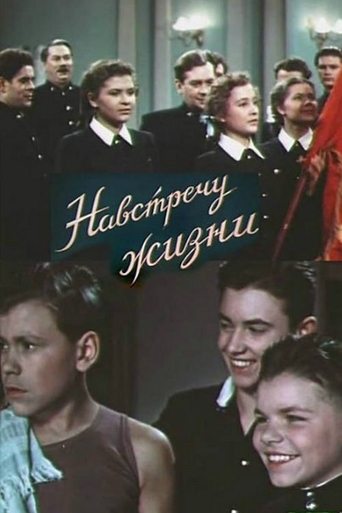
Did Nadezhda Rumyantseva appear in 'The Encounter of a Lifetime' (1952)?
There appears to be some confusion about this film title. Rumyantseva's actual film debut was in 1955 after graduating from VGIK. Her breakthrough role came in 1957's 'The Girl Without an Address', which established her as a major star.
How did Nadezhda Rumyantseva impact Soviet cinema?
Rumyantseva transformed Soviet comedy by proving that female-led comedies could be major commercial successes. She created a new archetype of the Soviet comedic heroine - intelligent, optimistic, and charming - that influenced generations of performers and filmmakers.