
Errol Flynn
Actor
Born: June 20, 1909 in Hobart, Tasmania, Australia Died: October 14, 1959 Active: 1933-1959 Birth Name: Errol Leslie Thomson Flynn
Films
1 film
About Errol Flynn
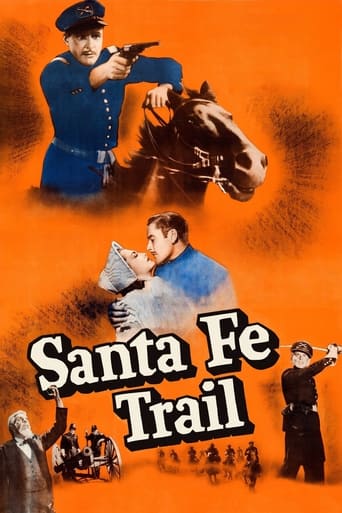
Errol Flynn was one of Hollywood's most charismatic and adventurous leading men during the Golden Age of cinema. Born in Tasmania, Australia, he began his career as a sea adventurer and gold prospector before discovering acting. Warner Bros. Discovered him in 1935 and quickly transformed him into a swashbuckling star with his breakout role in 'Captain Blood.' Flynn became synonymous with adventure films, starring in classics like 'The Adventures of Robin Hood' (1938), 'The Sea Hawk' (1940), and 'Santa Fe Trail' (1940). His athletic prowess, dashing good looks, and natural charm made him the perfect hero for costume dramas and action films. Despite his enormous success, Flynn's career was often overshadowed by his controversial personal life, including notorious womanizing, legal troubles, and heavy drinking. He continued acting through the 1950s, though his star had dimmed somewhat, and died at age 50 from a heart attack while on a business trip to Vancouver.
The Craft
On Screen
Flynn was known for his natural, athletic, and seemingly effortless screen presence. He brought a unique combination of physical grace, roguish charm, and genuine athleticism to his roles, performing many of his own stunts. His acting style was often described as casual and improvisational, with a distinctive Australian accent that added to his exotic appeal. Flynn excelled at conveying both heroic bravado and vulnerability, making his swashbuckling characters feel both larger-than-life and relatable.
Milestones
- Breakout role in 'Captain Blood' (1935)
- Iconic performance as Robin Hood in 'The Adventures of Robin Hood' (1938)
- Starred in 'Santa Fe Trail' (1940) opposite Olivia de Havilland
- Served as war correspondent during WWII
- Published autobiography 'My Wicked, Wicked Ways' (1959)
- Became Warner Bros.' highest-paid actor in late 1930s
Best Known For
Iconic Roles
Must-See Films
Accolades
Special Recognition
- Hollywood Walk of Fame star (6654 Hollywood Blvd)
- Inducted into the Western Performers Hall of Fame
- AFI's Greatest Screen Legends - Nominee (1999)
Working Relationships
Worked Often With
Studios
Why They Matter
Impact on Culture
Errol Flynn defined the swashbuckling hero archetype for generations of moviegoers and became the embodiment of masculine adventure and romantic heroism during Hollywood's Golden Age. His portrayal of Robin Hood established the definitive image of the character that influenced all subsequent interpretations. Flynn's off-screen adventures and controversial lifestyle helped create the modern concept of the movie star as a larger-than-life celebrity whose personal drama was as compelling as their on-screen performances. The term 'in like Flynn' entered popular vocabulary as a euphemism for romantic success, directly referencing his legendary romantic conquests.
Lasting Legacy
Errol Flynn's legacy endures as the quintessential swashbuckling hero whose combination of athleticism, charm, and roguish appeal has never been fully replicated. His films remain classics of the adventure genre, with 'The Adventures of Robin Hood' consistently ranked among the greatest films ever made. Flynn's influence can be seen in later action heroes from Douglas Fairbanks Jr. To Johnny Depp. His autobiography 'My Wicked, Wicked Ways' became a classic Hollywood tell-all, cementing his reputation as one of cinema's most fascinating and complex personalities. Despite dying relatively young, Flynn's impact on the adventure film genre and Hollywood celebrity culture remains profound.
Who They Inspired
Flynn revolutionized the action hero by bringing genuine athletic ability and natural charisma to swashbuckling roles. His improvisational style and willingness to perform dangerous stunts set new standards for physical acting. His off-screen persona influenced how studios marketed stars as larger-than-life personalities. Later actors including Burt Lancaster, Kirk Douglas, and even modern stars like Johnny Depp and Orlando Bloom have drawn inspiration from Flynn's blend of physical prowess, roguish charm, and romantic appeal. His success proved that foreign-born actors could become quintessentially American heroes on screen.
Off Screen
Flynn's personal life was as adventurous and controversial as his film roles. He was married three times and had numerous high-profile affairs, earning a reputation as Hollywood's ultimate ladies' man. His lifestyle of heavy drinking, drug use, and sexual escapades was legendary, even by Hollywood standards. In 1942, he faced a highly publicized statutory rape trial that ended in acquittal but damaged his reputation. Despite his wild lifestyle, Flynn was also an intellectual who wrote poetry, sailed his yacht, and had a deep interest in literature and history.
Education
Attended various schools in Tasmania and England, was expelled from several institutions for misbehavior. Later attended Sydney University briefly but dropped out to pursue adventures at sea.
Family
- Lili Damita (1935-1942)
- Nora Eddington (1943-1949)
- Patrice Wymore (1950-1959)
Did You Know?
- He was a skilled boxer, sailor, and gold prospector before becoming an actor
- The phrase 'in like Flynn' was coined after his 1942 statutory rape trial acquittal
- He performed most of his own stunts, including dangerous sword fights and climbing scenes
- His yacht 'Zaca' was 136 feet long and he sailed it extensively between films
- He was friends with Fidel Castro and visited Cuba shortly before the revolution
- He authored several books including novels and his famous autobiography
- Despite his Australian birth, he became an American citizen in 1942
- He was a licensed pilot and owned several aircraft
- His son Sean Flynn — famous war photographer who disappeared in Cambodia in 1970
- He was briefly considered for the role of Rhett Butler in 'Gone with the Wind' before Clark Gable was cast
In Their Own Words
My problem is that I'm a hell of a nice guy, and I've been in love with the most beautiful women in the world.
I've had a hell of a lot of fun and I wouldn't change any of it.
I'm not a writer. I'm just a fellow who tells a story.
Anybody who says they don't like lying in the sun is a liar.
I've had a hell of a good time since I've been dead.
Frequently Asked Questions
Who was Errol Flynn?
Legendary Australian-American with credits in this catalog.
What films is Errol Flynn best known for?
Titles linked here include The Adventures of Robin Hood (1938), Captain Blood (1935).
When was Errol Flynn born and when did he die?
Born June 20, 1909; died October 14, 1959.
What awards did Errol Flynn win?
Despite his immense popularity, Flynn never received an Academy Award nomination or won major acting awards, though he did receive a Hollywood Walk of Fame star and was nominated for AFI's Greatest Screen Legends list.
What was Errol Flynn's acting style?
Flynn was known for his natural, athletic, and improvisational acting style, performing many of his own stunts and bringing genuine physical grace and roguish charm to his swashbuckling roles.
What was Errol Flynn's relationship with Olivia de Havilland?
Flynn and Olivia de Havilland starred together in eight films, creating one of classic Hollywood's most beloved on-screen pairings, though their off-screen relationship was strictly professional despite romantic rumors.
What was the controversy surrounding Errol Flynn's personal life?
Flynn was notorious for his wild lifestyle, including heavy drinking, womanizing, and a 1942 statutory rape trial that ended in acquittal but damaged his reputation, leading to the phrase 'in like Flynn' entering popular vocabulary.