Olivia de Havilland
Actor
Born: July 1, 1916 in Tokyo, Japan Died: July 26, 2020 Active: 1934-1988 Birth Name: Olivia Mary de Havilland
Films
1 film
About Olivia de Havilland
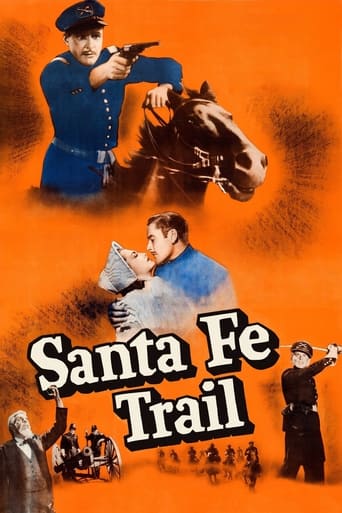
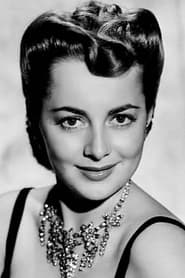
Olivia Mary de Havilland was born to British parents in Tokyo, Japan, and moved to California as a child where she began her remarkable journey in Hollywood. She signed with Warner Bros. In 1934 and quickly rose to prominence with her breakthrough role opposite Errol Flynn in Captain Blood (1935), establishing their screen partnership. Her most memorable performance came as the gentle but strong Melanie Hamilton in Gone with the Wind (1939), which earned her first Academy Award nomination and cemented her place in cinema history. In 1940, she starred in Santa Fe Trail, continuing her successful collaboration with Flynn while demonstrating her versatility beyond period dramas. De Havilland's courage extended beyond the screen when she fought a landmark legal battle against Warner Bros. That ultimately changed the studio system forever. She won two Best Actress Oscars for To Each His Own (1946) and The Heiress (1949), proving her exceptional dramatic range and establishing herself as one of Hollywood's most respected actresses. Her later career included work in The Snake Pit (1948), which helped destigmatize mental illness, and she continued working in film and television through the 1980s. De Havilland spent her final decades in Paris, becoming a beloved transatlantic cultural figure and living to the remarkable age of 104 as one of the last surviving stars from Hollywood's Golden Age.
The Craft
On Screen
Olivia de Havilland was known for her natural, understated acting style that emphasized emotional authenticity over theatricality. She possessed remarkable versatility, excelling in both romantic comedies and intense dramas. Her technique involved deep character study and a subtle approach to conveying complex emotions. De Havilland was particularly praised for her ability to portray quiet strength and moral fortitude, most notably in her role as Melanie Hamilton. She often played characters with inner resilience and grace, bringing depth and nuance to every performance. Her transition from ingénue roles to complex dramatic characters demonstrated her exceptional range and commitment to her craft.
Milestones
- Breakthrough role in Captain Blood (1935)
- Iconic performance as Melanie Hamilton in Gone with the Wind (1939)
- Landmark legal victory against Warner Bros. (1943-1944)
- First Academy Award for Best Actress for To Each His Own (1946)
- Second Academy Award for Best Actress for The Heiress (1949)
- role in The Snake Pit (1948) that helped destigmatize mental illness
- Received National Medal of Arts (2008)
- Appointed Dame Commander of the Order of the British Empire (2017)
Best Known For
Iconic Roles
Must-See Films
Accolades
Won
- Academy Award for Best Actress - To Each His Own (1946)
- Academy Award for Best Actress - The Heiress (1949)
- Golden Globe Award for Best Actress - The Heiress (1949)
- Volpi Cup for Best Actress - The Snake Pit (1948)
- National Medal of Arts (2008)
- Dame Commander of the Order of the British Empire (2017)
Nominated
- Academy Award for Best Actress - Gone with the Wind (1939)
- Academy Award for Best Actress - Hold Back the Dawn (1941)
- Academy Award for Best Actress - The Snake Pit (1948)
- Golden Globe Award for Best Actress - My Cousin Rachel (1952)
- BAFTA Award for Best Foreign Actress - The Heiress (1950)
Special Recognition
- Hollywood Walk of Fame star
- AFI Life Achievement Award (2010)
- Kennedy Center Honors (2008)
- National Medal of Arts (2008)
- Dame Commander of the Order of the British Empire (2017)
- Presidential Medal of Freedom (unsuccessful nomination)
Working Relationships
Worked Often With
Studios
Why They Matter
Impact on Culture
Olivia de Havilland's impact on cinema extends far beyond her memorable performances. Her landmark legal battle against Warner Bros. In 1943, known as the 'de Havilland Law,' fundamentally changed the power dynamics between studios and actors, effectively ending the studio system's stranglehold on performers. This courageous stand paved the way for independent contracting and greater creative freedom for all actors. Her portrayal of mental illness in The Snake Pit was notable, helping to reduce stigma and improve conditions in psychiatric institutions. De Havilland's sophisticated and dignified presence on screen challenged stereotypes about women's roles in classic Hollywood, demonstrating that actresses could be both glamorous and intellectually substantial. Her later career as an author and cultural ambassador bridged American and European cinematic traditions, making her a truly transatlantic cultural figure.
Lasting Legacy
Olivia de Havilland's legacy is that of both a artist and a transformative force in Hollywood labor practices. As one of the last surviving stars from Hollywood's Golden Age, she served as a living connection to cinema's most formative decades. Her two Academy Awards for Best Actress established her as. The legal precedent she set continues to protect actors' rights today, making her contributions behind the scenes as significant as her on-screen work. De Havilland's decision to live in Paris while maintaining her American career demonstrated that Hollywood stars could be international citizens, broadening the scope of what it meant to be a film star. Her longevity - living to 104 and remaining active in public life into her 90s - made her a bridge between classic Hollywood and contemporary cinema, allowing her to share firsthand accounts of film history with new generations.
Who They Inspired
Olivia de Havilland influenced countless actors through her example of artistic integrity and professional courage. Her successful transition from ingenue roles to complex dramatic characters provided a template for actresses seeking longevity in their careers. The legal battle she won against Warner Bros. Inspired other performers to demand fair treatment and creative control, contributing to the breakdown of the restrictive studio system. Her nuanced, naturalistic acting style contrasted with the more theatrical approaches common in early Hollywood, influencing the evolution of screen acting toward greater realism. De Havilland's international career path, balancing American and European projects, demonstrated that film stars could maintain global relevance while preserving their artistic standards. Her dignified handling of personal challenges, including her famous estrangement from her sister Joan Fontaine, showed how public figures could maintain grace under pressure.
Off Screen
Olivia de Havilland had a rich personal life marked by high-profile relationships and international living. She married novelist Marcus Goodrich in 1946, with whom she had her son Benjamin, though the marriage ended in divorce in 1953. In 1955, she married French journalist Pierre Galante, moving to Paris and dividing her time between France and the United States. Their marriage produced daughter Gisèle and lasted until Galante's death in 1998. De Havilland had a famously complex relationship with her sister, fellow actress Joan Fontaine, with whom she was estranged for most of their adult lives. In her later years, she became a respected author and public speaker, publishing her memoir 'Every Frenchman Has One' in 1962. She spent her final decades in Paris, becoming a beloved figure in both French and American cultural circles.
Education
Family
- Marcus Goodrich (1946-1953)
- Pierre Galante (1955-1998)
Did You Know?
- She was born in Tokyo to British parents and held dual British-American citizenship
- Her younger sister was fellow Oscar winner Joan Fontaine, with whom she had a famously strained relationship
- She was Errol Flynn's favorite leading lady, starring together in 8 films
- She turned down the role of Blanche DuBois in A Streetcar Named Desire
- Her legal battle with Warner Bros. Became known as the 'de Havilland decision'
- She was one of the last surviving cast members of Gone with the Wind
- She received her damehood from Queen Elizabeth II at age 101
- She was a first cousin once removed of Geoffrey de Havilland, the aircraft designer
- She appeared on a U.S. Postage stamp in 2008 as part of the Legends of Hollywood series
- She was the oldest person ever to receive a damehood
- She attended the 2014 Academy Awards at age 97, one of her last public appearances
- She was nominated for Emmy Awards for her television work in the 1980s
In Their Own Words
Fighting battles is a very interesting experience. It makes you know yourself.
I would prefer to live forever, if I could. There's so much to learn, so many books to read, so many places to see.
One reason I've been able to have a long career is that I've never been typecast. I've played all sorts of different characters.
The great thing about getting older is that you don't lose all the other ages you've been.
I think the secret to a long life is to be interested in everything, to have a good sense of humor, and to have good friends.
Frequently Asked Questions
Who was Olivia de Havilland?
Legendary American actress from Hollywood's Golden Age, known for her refined beauty and exceptional dramatic talent. She won two Academy Awards for Best Actress and is particularly remembered for her role as Melanie Hamilton in Gone with the Wind. Beyond her acting career, she made history by winning a landmark legal battle against Warner Bros. That changed the studio system forever.
What films is Olivia de Havilland best known for?
Titles linked here include Gone with the Wind (1939), The Adventures of Robin Hood (1938).
When was Olivia de Havilland born and when did she die?
Born July 1, 1916; died July 26, 2020.
What awards did Olivia de Havilland win?
De Havilland won two Academy Awards for Best Actress for To Each His Own (1946) and The Heiress (1949). She also received a Golden Globe for The Heiress and the Volpi Cup at the Venice Film Festival for The Snake Pit. Later honors included the National Medal of Arts, the AFI Life Achievement Award, and being named Dame Commander of the Order of the British Empire in 2017.
What was Olivia de Havilland's acting style?
De Havilland was known for her natural, understated acting style that emphasized emotional authenticity over theatricality. She possessed remarkable versatility, excelling in both romantic adventures and intense psychological dramas. Her technique involved deep character study and a subtle approach to conveying complex emotions, particularly effective in portraying quiet strength and moral fortitude.
How did Olivia de Havilland change Hollywood?
De Havilland's most significant impact came from her 1943 legal battle against Warner Bros., which resulted in the 'de Havilland Law' that limited studio contracts to seven years. This landmark decision effectively broke the studio system's control over actors and paved the way for independent contracting. Her courageous stand created lasting change in Hollywood labor practices and artistic freedom.
What was Olivia de Havilland's relationship with her sister Joan Fontaine?
De Havilland and her younger sister Joan Fontaine, also an Oscar-winning actress, had one of Hollywood's most famous and bitter feuds. The sisters were reportedly estranged for over 30 years until Fontaine's death in 2013. Their rivalry began in childhood and intensified as both pursued acting careers, with both giving conflicting accounts about who was responsible for their lifelong separation.
What was Olivia de Havilland's role in Santa Fe Trail (1940)?
In Santa Fe Trail, de Havilland played Kit Carson Holliday, the romantic interest opposite Errol Flynn's J.E.B. Stuart. The film was one of her eight collaborations with Flynn and showcased her ability to hold her own in male-dominated adventure films. Her performance demonstrated the chemistry and screen partnership that made them one of Hollywood's most popular on-screen couples.