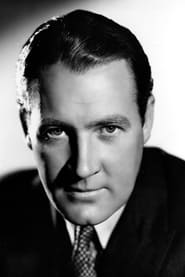
Ian Hunter
Actor
Born: June 6, 1900 in London, England Died: September 22, 1975 Active: 1928-1965
Films
2 films
About Ian Hunter
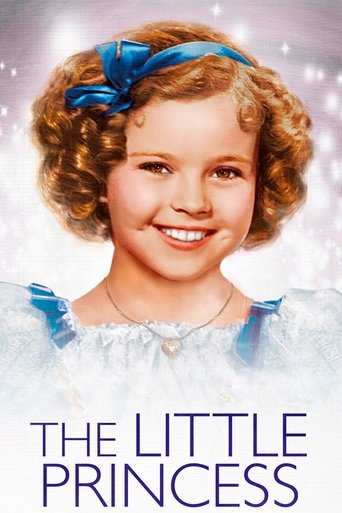
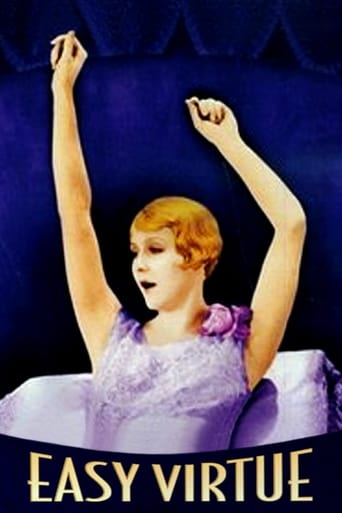
British actor: nearly four decades, bridging the gap between British cinema and Hollywood's Golden Age. Born into a military family in London, he received his education at Charterhouse School before pursuing acting on the stage. Hunter made his film debut in Alfred Hitchcock's early talkie 'Easy Virtue' in 1928, which launched his cinematic career. He relocated to Hollywood in the 1930s where he became a reliable character actor, often portraying sophisticated gentlemen, military officers, and aristocrats with his distinctive British refinement. His performance as Captain Reginald Crewe in 'The Little Princess' (1939) alongside Shirley Temple showcased his ability to bring warmth and authority to family films. During World War II, Hunter served in the British Army, temporarily interrupting his film career, but he returned to acting after the war with continued success in both British and American productions. Ian appears in over 100 films throughout his career, working with some of the most celebrated directors of his era until his retirement in the 1960s.
The Craft
On Screen
Hunter was known for his refined, sophisticated demeanor and commanding screen presence, often playing aristocratic characters, military officers, or professional gentlemen with impeccable British diction. His acting style combined naturalistic delivery with classical training, characteristic of the transitional period from silent films to talkies. Hunter possessed a unique ability to convey authority and gravitas while maintaining an approachable quality that made him suitable for both leading and supporting roles across various genres from drama to family entertainment.
Milestones
- Film debut in Alfred Hitchcock's 'Easy Virtue' (1928)
- Move to Hollywood in 1930s
- Starred in 'The Little Princess' (1939) with Shirley Temple
- Served in British Army during WWII
- Post-war career resurgence in both British and American films
- Appeared in over 100 films throughout career
- Worked with renowned directors John Ford and Michael Curtiz
Best Known For
Iconic Roles
Must-See Films
Accolades
Special Recognition
- Hollywood Walk of Fame star (Motion Pictures)
Working Relationships
Worked Often With
Studios
Why They Matter
Impact on Culture
Ian Hunter played a significant role in bridging British and American cinema during the Golden Age of Hollywood, helping to establish the archetype of the British character actor in American films. His sophisticated portrayals of British gentlemen and authority figures helped shape American audiences' perceptions of British culture and class structure during the 1930s and 1940s. Hunter's successful transition from British films to Hollywood stardom paved the way for other British actors to find success in the American film industry. His work in family-friendly productions like 'The Little Princess' contributed to the development of the family film genre, while his appearances in literary adaptations helped bring classic British literature to American audiences.
Lasting Legacy
Ian Hunter's legacy endures through his extensive filmography that represents some of the finest examples of Golden Age Hollywood cinema. As a reliable character actor who appeared in over 100 films, he contributed significantly to the quality and sophistication of many classic productions. His ability to seamlessly transition between leading and supporting roles demonstrated the versatility required of character actors during Hollywood's studio era. Hunter's performances continue to be studied by film scholars as examples of refined British acting technique in American cinema. His work preserved important elements of British theatrical tradition while adapting them for the demands of Hollywood filmmaking.
Who They Inspired
Hunter influenced subsequent generations of British actors seeking careers in Hollywood by demonstrating how to maintain British authenticity while appealing to American audiences. His polished yet naturalistic acting style served as a model for character actors specializing in aristocratic or military roles. His successful collaboration with American directors showed how British performers could effectively work within the Hollywood studio system. Hunter's career trajectory influenced the development of transatlantic acting careers and contributed to the internationalization of Hollywood during the Golden Age.
Off Screen
Ian Hunter came from a British family with military heritage. He married twice during his lifetime, first to actress Charlotte Francis in 1928, and later to actress Susan Peters in 1945 after her divorce from Richard Quine. Hunter was known for his professionalism and dedication to his craft, maintaining a relatively private personal life despite his public celebrity. He was well-respected among his peers for his reliability and versatility as an actor. Hunter spent his later years in London, where he passed away in 1975 at the age of 75.
Education
Charterhouse School, England
Family
- Charlotte Francis (1928-1945)
- Susan Peters (1945-1975)
Did You Know?
- Was a descendant of the famous Hunter family of physicians
- Served as a captain in the British Army during World War II
- Was originally considered for the role of Ashley Wilkes in 'Gone with the Wind' (1939)
- Appeared in both the 1939 and 1959 versions of 'The Hound of the Baskervilles'
- Was a skilled horseman and performed many of his own stunts
- Spoke fluent French and German, which helped him secure international roles
- Was a close friend of fellow British actor Leslie Howard
- Turned down several leading man roles to focus on character parts
- Was one of the few British actors to work consistently in both British and American films during the 1930s-1950s
- His final film appearance was in 'The Sword and the Rose' (1953)
In Their Own Words
The secret to longevity in this business is reliability. Directors know they can count on me to deliver exactly what they need, whether it's a leading man or a supporting character.
Playing British gentlemen in Hollywood films is both a blessing and a curse. It typecasts you, but it also provides steady work if you do it well.
The transition from silent films to talkies was challenging for many, but my stage training helped me adapt quickly to the new demands of sound cinema.
Frequently Asked Questions
Who was Ian Hunter?
British with credits in this catalog. He appeared in over 100 films from 1928 to 1965, often playing sophisticated gentlemen, military officers, and aristocratic characters with his distinctive British refinement and commanding screen presence.
What films is Ian Hunter best known for?
Titles linked here include Easy Virtue (1928), The Little Princess (1939).
When was Ian Hunter born and when did he die?
Born June 6, 1900; died September 22, 1975.
What awards did Ian Hunter win?
While Ian Hunter did not receive major acting awards during his career, he was honored with a star on the Hollywood Walk of Fame for his contributions to motion pictures. His recognition came more from the respect of his peers and the enduring quality of his film work rather than formal awards.
What was Ian Hunter's acting style?
Ian Hunter's acting style was characterized by refined sophistication, impeccable British diction, and a commanding yet approachable screen presence. He specialized in naturalistic yet polished performances typical of classical Hollywood, excelling at portraying authority figures and aristocratic characters with both gravitas and warmth.