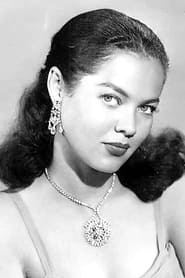
Dona Drake
Actor
Born: November 15, 1914 in Miami, Florida, USA Died: June 20, 1989 Active: 1937-1953 Birth Name: Eunice Westmoreland
Films
1 film
About Dona Drake
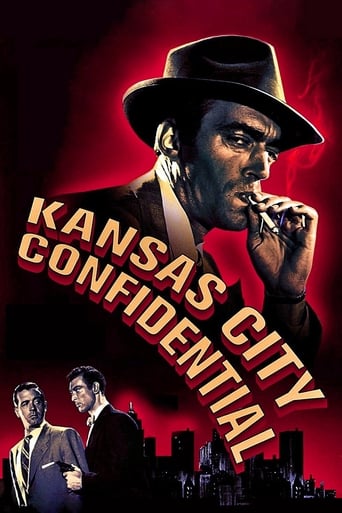
Dona Drake, born Eunice Westmoreland, was an American actress, singer, and dancer who enjoyed a prolific career in Hollywood during the 1930s and 1940s. She began her career as a dancer in vaudeville and nightclubs before transitioning to films, where she often played exotic roles despite her African American heritage, which studios typically concealed. Drake signed with Paramount Pictures in the early 1940s and appeared in numerous films, often typecast as Latin or exotic characters due to her striking appearance. Her over two decades, during which she worked alongside many of Hollywood's biggest stars. Beyond acting, she was also a talented singer who performed in several musical films and recorded with major orchestras. Her role in 'Kansas City Confidential' (1952) was among her later film appearances before she gradually stepped back from acting. Drake's career reflects the complex racial dynamics of Golden Age Hollywood, where she navigated the industry's limitations while building a respectable body of work.
The Craft
On Screen
Dona Drake was known for her vivacious and energetic screen presence, often bringing a sense of glamour and exoticism to her roles. Her performances typically featured a combination of musical talent, comedic timing, and dramatic capability. She excelled in playing femme fatale characters and exotic love interests, utilizing her dance background to add physical grace to her performances. Her acting style was influenced by her vaudeville and nightclub experience, giving her a natural stage presence that translated well to the screen.
Milestones
- Signed with Paramount Pictures in the early 1940s
- Starred in 'Road to Singapore' (1940) with Bing Crosby and Bob Hope
- Appeared in 'In Old Oklahoma' (1943) with John Wayne
- Featured in 'The Adventures of Mark Twain' (1944)
- Final major film role in 'Kansas City Confidential' (1952)
Best Known For
Iconic Roles
Must-See Films
Working Relationships
Worked Often With
Studios
Why They Matter
Impact on Culture
Dona Drake's career represents an important chapter in Hollywood's racial history, as she was one of several actresses of color who successfully navigated the industry's racial barriers by being marketed as exotic or Latin characters. Her ability to maintain a steady career during an era of strict racial segregation in film demonstrated both her talent and the complex nature of racial passing in Hollywood. While her legacy is often overlooked in mainstream film history, she represents the many performers of color who found ways to work within and sometimes subtly challenge the industry's limitations.
Lasting Legacy
Dona Drake's lasting legacy lies in her role as one of Hollywood's actresses of color who achieved success during the Golden Age. Though often typecast, she brought depth and charisma to every role, proving her talent transcended racial barriers. Her filmography serves as an important record of the ways Hollywood dealt with race and ethnicity in the 1930s-1950s. Modern film historians and scholars increasingly recognize her significance in understanding the complex racial dynamics of classic Hollywood cinema.
Who They Inspired
Drake influenced subsequent generations of actresses of color by demonstrating that it was possible to have a successful career in Hollywood despite racial limitations. Her ability to work across different genres - from musicals to dramas to film noir - showed the versatility that performers of color could achieve. While she wasn't able to openly advocate for racial equality during her career peak, her success paved the way for later actresses who would challenge Hollywood's racial conventions more openly.
Off Screen
Dona Drake was married twice during her lifetime. Her first marriage was to William T. O'Brien in 1935, which ended in divorce. She later married producer and writer Leonard Goldstein in 1944, with whom she remained until his death in 1954. Despite her successful career, Drake faced personal challenges related to racial identity in Hollywood, as studios often marketed her as Latin or exotic rather than acknowledging her African American heritage. She largely retired from acting after Goldstein's death, though she occasionally appeared in television roles in the 1950s.
Education
Limited information available about her formal education, but she received extensive training in dance and performance through her early work in vaudeville and nightclub performances.
Family
- William T. O'Brien (1935-1940)
- Leonard Goldstein (1944-1954)
Did You Know?
- Despite being marketed as Latin or exotic, Dona Drake was actually African American, born to parents of African American and Native American heritage
- She began her career as a dancer at age 14, performing in nightclubs and vaudeville shows
- Her stage name 'Dona' was reportedly suggested by a talent scout who thought it sounded more exotic
- She was a talented singer who recorded with several big bands in the 1930s before focusing on acting
- Drake was often cast alongside Hollywood's biggest stars, including Bing Crosby, Bob Hope, and John Wayne
- She appeared in three of the 'Road to.' pictures with Crosby and Hope, though in different roles
- Her role in 'Kansas City Confidential' was one of her final film appearances before retiring from acting
- She was known for her distinctive beauty mark above her lip, which became one of her trademarks
- During her peak years, she was one of the highest-paid contract players at Paramount
- After retiring from films, she occasionally appeared in television shows in the 1950s
In Their Own Words
In Hollywood, you learn to play the part they want you to play, both on screen and off
Dancing was my first love, acting came later, but both allowed me to escape into different worlds
Being typecast has its limitations, but it also gives you a certain kind of security in this business
Frequently Asked Questions
Who was Dona Drake?
Screen credits include numerous films during Hollywood's Golden Age. Born Eunice Westmoreland, she was of African American and Native American heritage but was often marketed by studios as Latin or exotic. She had a successful career spanning from the late 1930s to early 1950s, appearing in films with major stars like Bing Crosby, Bob Hope, and John Wayne.
What films is Dona Drake best known for?
Titles linked here include Road to Singapore (1940), In Old Oklahoma (1943).
When was Dona Drake born and when did she die?
Born November 15, 1914; died June 20, 1989.
What awards did Dona Drake win?
Despite her successful career and numerous film appearances, Dona Drake did not receive any major industry awards or nominations during her lifetime. This was not uncommon for character actors and actresses of color during the Golden Age of Hollywood, who often worked without formal recognition from the industry establishment.
What was Dona Drake's acting style?
Dona Drake was known for her energetic and glamorous screen presence, often bringing musical talent and physical grace to her roles. She excelled at playing exotic characters and femme fatales, utilizing her dance background to enhance her performances. Her style was influenced by her vaudeville and nightclub experience, giving her a natural stage presence that translated well to film.