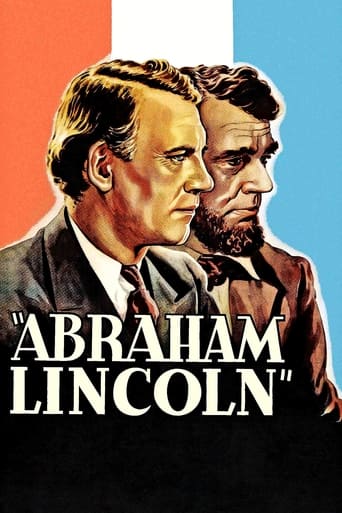
Films
1 film
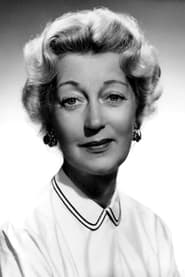
About Kay Hammond
American actress active during the transitional period between silent films and early talkies in Hollywood. Her most notable and well-documented role was as Ann Rutledge in D.W. Griffith's 1930 biographical film 'Abraham Lincoln,' where she portrayed Lincoln's first love interest who died tragically young. This performance came during a critical moment in cinema history as the industry was adapting to sound technology, and Griffith was attempting to maintain his relevance as a director in this new era. Hammond's portrayal of the sensitive and poetic Ann Rutledge was considered appropriate for the character's tragic nature, though the film itself was not a commercial success. Her career appears to have been quite brief, with most historical records focusing primarily on this single significant appearance. The limited documentation of her other work suggests she may have been a character actress who either left the industry early or primarily worked in mediums that weren't as well preserved. Despite her brief time in the spotlight, her contribution to this historically significant film ensures her place in cinema history as part of the generation that helped bridge silent and sound cinema.
The Craft
On Screen
Hammond's acting style in 'Abraham Lincoln' reflected the transitional period between silent and sound cinema, combining the dramatic gestures and facial expressions of the silent era with the new requirements of vocal performance. Her portrayal of Ann Rutledge emphasized the character's poetic sensitivity and tragic nature, using both visual and vocal techniques to convey emotion. Like many actors of this period, she likely had to adapt her performance style to accommodate the technical limitations of early sound recording, which often required more static positioning and careful enunciation.
Milestones
- Portrayed Ann Rutledge in D.W. Griffith's 'Abraham Lincoln' (1930)
- Worked with director D.W. Griffith during his transition to sound films
- Participated in early sound cinema during its formative years
Best Known For
Iconic Roles
Must-See Films
Working Relationships
Worked Often With
Studios
Why They Matter
Impact on Culture
Kay Hammond's cultural impact is primarily tied to her role in preserving the legacy of Abraham Lincoln through cinema at a time when historical biopics were becoming an important genre in Hollywood. Her portrayal of Ann Rutledge contributed to the romantic mythology surrounding Lincoln's early life, helping to humanize the historical figure for audiences. As part of D.W. Griffith's final significant work, she participated in a film that represented the passing of the torch from one era of American cinema to another, bridging the gap between Griffith's silent films and the emerging sound era. Her performance, while brief in the overall film, represents the type of sensitive, emotional acting that characterized the transition from the exaggerated expressions of silent film to the more nuanced performances that would become standard in sound cinema.
Lasting Legacy
Kay Hammond's legacy is primarily preserved through her appearance in 'Abraham Lincoln,' a film that represents an important transitional moment in cinema history. While she did not achieve lasting fame or have an extensive filmography, her contribution to this historically significant work ensures her place in the annals of early American cinema. The film itself has become a subject of study for film historians interested in D.W. Griffith's career and the challenges faced by silent film directors adapting to sound technology. Hammond's performance as Ann Rutledge serves as an example of the acting styles prevalent during this transitional period, making her of interest to scholars studying the evolution of film performance techniques.
Who They Inspired
Due to her brief career and limited filmography, there is little evidence of Kay Hammond directly influencing other actors or filmmakers. However, her work in 'Abraham Lincoln' contributed to the development of the historical biopic genre and helped establish conventions for portraying historical figures on screen. Her performance style, typical of the transitional period between silent and sound cinema, represents an important evolutionary step in acting technique that would influence subsequent generations of performers. The film itself, as one of Griffith's later works, influenced how historical narratives were constructed in early sound cinema.
Off Screen
Very little documented information is available about Kay Hammond's personal life, which is not uncommon for actors from this early period of cinema, especially those with brief careers. The scarcity of records about her background, family, or life after her film appearance suggests she may have left the entertainment industry shortly after her work in 'Abraham Lincoln.' This lack of documentation is typical of many supporting actors from the early sound era whose careers were brief and who did not achieve lasting fame.
Did You Know?
- Kay Hammond is often confused with the British actress Kay Hammond (1909-1980) who appeared in films like 'Blithe Spirit' (1945)
- Her role as Ann Rutledge in 'Abraham Lincoln' was her most documented and significant film appearance
- The film 'Abraham Lincoln' was one of D.W. Griffith's last major projects and his attempt to transition successfully to sound films
- Ann Rutledge was historically Abraham Lincoln's first love who died of typhoid fever at age 22
- The film was not a commercial success despite its historical significance and Griffith's reputation
- Early sound films like 'Abraham Lincoln' required actors to adapt their performance styles to accommodate new recording technology
- Many actors from this transitional period had brief careers due to the industry's rapid technological and artistic changes
- The confusion between different actresses named Kay Hammond illustrates the challenges of documenting early cinema history
Frequently Asked Questions
Who was Kay Hammond?
American actress active in the early sound era of Hollywood, best known for her role as Ann Rutledge in D.W. Griffith's 1930 film 'Abraham Lincoln.' Her career appears to have been brief, with this historical biopic representing her most significant and well-documented work.
What films is Kay Hammond best known for?
Titles linked here include Abraham Lincoln (1930).
When was Kay Hammond born and when did she die?
Unfortunately, specific birth and death dates for Kay Hammond are not well documented in historical records, which is common for many actors from this early period of cinema who had brief careers.
What awards did Kay Hammond win?
There are no records of Kay Hammond receiving any major awards or nominations for her work, which was typical for many supporting actors in early Hollywood, especially those with limited filmographies.
What was Kay Hammond's acting style?
Hammond's acting style reflected the transitional period between silent and sound cinema, combining the dramatic expressions of silent film with the new requirements of vocal performance. Her portrayal of Ann Rutledge emphasized poetic sensitivity and tragedy, adapting to the technical constraints of early sound recording.