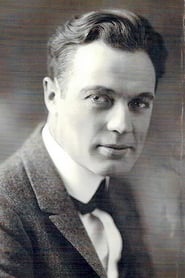
Forrest Taylor
Actor
Born: December 29, 1883 in Columbus, Ohio, United States Died: February 19, 1965 Active: 1919-1958 Birth Name: Forrest Stanley Taylor
Films
2 films
About Forrest Taylor
Forrest Stanley Taylor — prolific American character actor whose nearly four decades of Hollywood cinema, from the silent era through the Golden Age. Born in 1883, he began his film career in 1919 and quickly established himself as a reliable supporting player, particularly adept at playing authority figures, villains, and stern paternal roles. Taylor successfully navigated the transition from silent films to talkies, appearing in over 300 motion pictures throughout his career. He became especially well-known for his work in Western films and serials, where his distinctive appearance and commanding presence made him a memorable presence on screen. During the 1930s and 1940s, he worked extensively for Poverty Row studios like Republic Pictures and Monogram, becoming recognizable faces in B-movie Westerns. His versatility allowed him to play everything from corrupt politicians to lawmen, ranchers, and military officers. Taylor continued working steadily through the 1950s, appearing in television Westerns in his later years before retiring from acting in 1958.
The Craft
On Screen
Taylor was known for his stern, authoritative presence and distinctive facial features that made him ideal for playing authority figures and villains. He had a commanding voice that served him well in talkies, and he brought a sense of gravitas to even the smallest roles. His acting style was straightforward and efficient, perfect for the fast-paced production schedules of B-movie studios. Taylor specialized in portraying characters with a certain moral ambiguity - he could play both the honest sheriff and the corrupt politician with equal conviction.
Milestones
- Appeared in over 300 films during his 39-year career
- Successfully transitioned from silent films to talkies
- Became
- Worked extensively with Republic Pictures and other Poverty Row studios
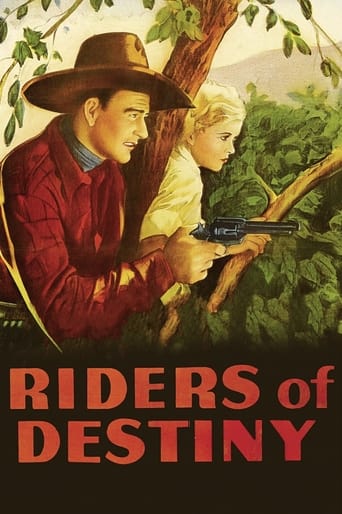
- Appeared in early John Wayne Westerns including Riders of Destiny (1933)
- Transitioned to television in the 1950s, appearing in popular Western series
Best Known For
Iconic Roles
Must-See Films
Working Relationships
Worked Often With
Studios
Why They Matter
Impact on Culture
Forrest Taylor represents the backbone of Golden Age Hollywood - the reliable character actors who gave depth and authenticity to hundreds of films. His extensive work in Westerns helped establish the visual language and character archetypes that would define the genre for decades. As. His ability to play both heroes and villains with equal skill made him a versatile asset to directors and helped maintain narrative balance in countless Western plots.
Lasting Legacy
Forrest Taylor's legacy lies in his remarkable productivity and consistency as a character actor. With over 300 film credits, he represents the unsung heroes of Hollywood's Golden Age - the working actors who filled out casts and gave authenticity to every genre. His contributions to the Western genre, in particular, helped establish many of the character types and story patterns that would become staples of American cinema. Taylor's career shows the importance of character actors in creating the classic Hollywood films, and his work continues to be discovered by new generations of classic film enthusiasts.
Who They Inspired
While not a star who influenced other actors through mentorship or groundbreaking techniques, Taylor influenced the craft of character acting through his example of professionalism and reliability. His ability to quickly establish character and deliver consistent performances under the pressure of fast-paced B-movie production schedules set a standard for supporting actors. His work in serials and Westerns helped demonstrate how character actors could elevate genre material and maintain audience engagement across multiple installments of continuing stories.
Off Screen
Forrest Taylor was married twice during his lifetime. He maintained a relatively private personal life despite his long career in Hollywood. Like many character actors of his era, he focused primarily on his craft and steady work rather than pursuing celebrity status. He lived in Southern California for most of his adult life, remaining active in the film industry until his retirement.
Family
- Edythe B. Chapman (1915-1935)
- Helen Taylor (1936-1965)
Did You Know?
- Appeared in over 300 films during his career
- Making him
- Worked with John Wayne in several early Westerns before Wayne became a major star
- Was a favorite of Republic Pictures, appearing in many of their serials and Westerns
- Often played characters much older than his actual age
- His distinctive mustache became his trademark in many of his later roles
- Appeared in both The Lone Ranger radio show adaptations and film serials
- Was one of the few actors who worked consistently through the Great Depression
- Made a successful transition to television in the 1950s
- Never received top billing but was often listed prominently in supporting roles
- His final film appearance was in 1958's 'The Lone Ranger and the Lost City of Gold'
Frequently Asked Questions
Who was Forrest Taylor?
Screen credits include over 300 films from 1919 to 1958, specializing in Westerns and serials. He was known for playing authority figures, villains, and stern paternal roles, becoming.
What films is Forrest Taylor best known for?
Titles linked here include Riders of Destiny (1933), The Lone Ranger (1938 serial).
When was Forrest Taylor born and when did he die?
Born December 29, 1883; died February 19, 1965.
What awards did Forrest Taylor win?
Despite his extensive career spanning nearly four decades and over 300 film appearances, Forrest Taylor did not receive major industry awards or nominations. His recognition came from his consistent work and the respect of directors and fellow actors in the Hollywood community.
What was Forrest Taylor's acting style?
Taylor was known for his straightforward, efficient acting style perfect for B-movie production schedules. He brought authority and gravitas to his roles, with a commanding presence and distinctive appearance that made him ideal for playing sheriffs, villains, and authority figures in Westerns and serials.