
Lucile Browne
Actor
Born: March 18, 1907 in Memphis, Tennessee, USA Died: May 10, 1976 Active: 1930-1950 Birth Name: Lucile Ruth Browne
Films
1 film
About Lucile Browne
Prominent American film actress: career flourished during the early sound era, particularly in the 1930s. Born in Memphis and raised in Florida, she initially found success as a model and beauty queen, winning the title of Miss Florida in 1926. After a stint with a traveling theater company in Chicago, she arrived in Hollywood and signed a contract with Fox Film Corporation in 1930. She quickly became a staple of the 'cliffhanger' serials and B-Westerns, often starring opposite figures like John Wayne and George O'Brien. Known as the first 'Serial Queen' of the sound era, she appeared in six major cliffhangers between 1931 and 1934, a record for the time. Though she transitioned into smaller character roles in the 1940s to focus on her family, her early work remains a significant contribution to the action and adventure genres of the Golden Age.
The Craft
On Screen
Browne was recognized for her 'peppy courage' and vivacious energy, making her the quintessential heroine of early sound-era adventure films. She possessed a unique skill for depicting wide-eyed alarm and vulnerability, which suited the melodramatic cliffhanger format, yet she was equally capable of playing the 'good sport' who tackled dangers alongside the hero. Her background in elocution and theater provided her with a clear, expressive voice that helped her transition seamlessly from the silent-style aesthetics of early talkies into more naturalistic dialogue.
Milestones
- Named Miss Florida in 1926 before beginning her film career
- Made her film debut in the 1930 Western 'The Last of the Duanes' opposite George O'Brien
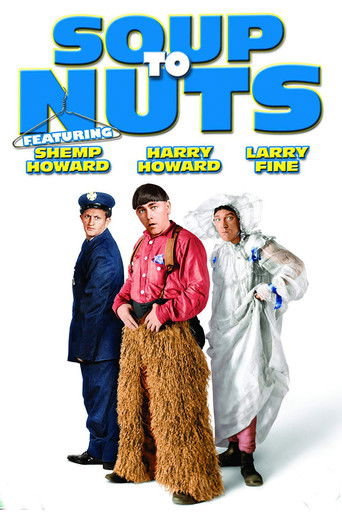
- Starred in 'Soup to Nuts' (1930), which featured the first film appearance of the original Three Stooges
- Became the first actress of the sound era to be dubbed a 'Serial Queen' by trade papers
- Starred opposite John Wayne in 'Texas Terror' and 'Rainbow Valley' (1935)
- Set a record by starring in six major cliffhanger serials between 1931 and 1934
Best Known For
Iconic Roles
Must-See Films
Accolades
Special Recognition
- Miss St. Petersburg (1925)
- Miss Florida (1926)
Working Relationships
Worked Often With
Studios
Why They Matter
Impact on Culture
Lucile Browne played a pivotal role in defining the archetype of the sound-era serial heroine. At a time when the film industry was transitioning from silents to talkies, she bridged the gap by maintaining the physical athleticism required for action serials while utilizing her trained voice for the new medium. Her presence in 'Soup to Nuts' is historically significant as it links her to the cinematic birth of The Three Stooges, a cornerstone of American comedy history.
Lasting Legacy
Often referred to as a 'forgotten' star of the B-Western and serial genres, Browne's legacy is preserved through her work in early sound cliffhangers. She is remembered by film historians as a record-breaking leading lady of the 1930s who appeared in more serials than any other actress of that specific five-year window. Her enduring marriage to James Flavin also stands as a rare example of personal stability within the volatile Golden Age of Hollywood.
Who They Inspired
Her portrayal of the 'spunky heroine' influenced the development of female leads in later action serials and adventure films, moving away from the purely passive 'damsel in distress' toward a more active, participatory role in the plot.
Off Screen
Lucile Browne was the daughter of Harris L. Browne. She moved to St. Petersburg, Florida, in 1923 and graduated from St. Petersburg High School in 1925. In 1932, while filming the serial 'The Airmail Mystery', she met actor James Flavin. The couple married soon after and enjoyed one of Hollywood's most enduring marriages, lasting 44 years. Following Flavin's death in April 1976, a devastated Lucile passed away just 17 days later. They are buried together at Holy Cross Cemetery in Culver City.
Education
St. Petersburg High School (Class of 1925); Studied elocution under an instructor from the University of Chicago; Attended the Noyes School of Expression in Boston, Massachusetts.
Family
- James Flavin (1932-1976)
Did You Know?
- She was the first actress to be called a 'Serial Queen' in the sound era.
- She died only 17 days after her husband of 44 years, James Flavin.
- She appeared in the very first film to feature the original Three Stooges (Moe, Larry, and Shemp).
- In the mid-1960s, long after retiring from acting, she worked in the textile department of a local department store.
- She was a beauty queen before her film career, winning Miss Florida in 1926.
- Her first name is correctly spelled with one 'L' (Lucile), though it was frequently misspelled as 'Lucille' in film credits.
- She starred in the 1932 version of 'The Last of the Mohicans', which was a 12-chapter serial.
In Their Own Words
I was a model in New York and I had a contract with Fox. But I preferred the action of the serials. (Context: Reflecting on her career choice to move from prestige features to action cliffhangers.)
Frequently Asked Questions
Who was Lucile Browne?
American film actress prominent in the 1930s, best known as the first 'Serial Queen' of the sound era. She starred in numerous B-Westerns and adventure serials, often appearing alongside stars like John Wayne.
What films is Lucile Browne best known for?
Titles linked here include Soup to Nuts (1930), The Last of the Mohicans (1932).
When was Lucile Browne born and when did she die?
Born March 18, 1907; died May 10, 1976.
What was Lucile Browne's connection to The Three Stooges?
Lucile Browne played the role of Louise in the 1930 film 'Soup to Nuts', which marked the first-ever screen appearance of the original Three Stooges (Moe, Larry, and Shemp Howard).
What was Lucile Browne's acting style?
She was known for a vivacious and courageous screen presence, specializing in the 'spunky heroine' archetype of early action serials, combining physical energy with expressive emotional range.