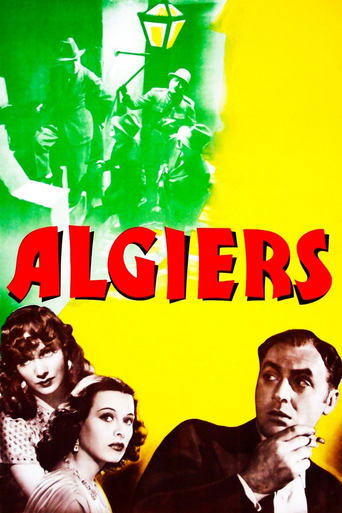
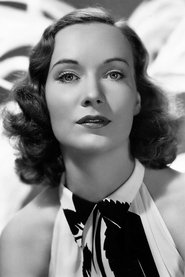
Sigrid Gurie
Actor
Born: May 15, 1911 in Brooklyn, New York, USA Died: August 14, 1969 Active: 1936-1945 Birth Name: Sigrid Gurie Haukeland
Films
1 film
About Sigrid Gurie
Norwegian-American actress who achieved brief but notable fame during Hollywood's Golden Age, particularly in the late 1930s. Born in Brooklyn to Norwegian parents and raised in Norway, she was discovered by director John M. Stahl while working as a model in New York. Paramount Pictures signed her and heavily promoted her as 'the Norwegian Garbo' due to her striking resemblance to Greta Garbo and exotic European appeal. Her career peaked with her role as Ines in the critically acclaimed film 'Algiers' (1938) opposite Charles Boyer, a film that was nominated for four Academy Awards and later considered a precursor to film noir. Sigrid appears in several other notable films including 'The Adventures of Marco Polo' (1938) with Gary Cooper and 'Three Faces West' (1940) with John Wayne. Her Hollywood career was relatively brief, spanning roughly 1936-1945, after which she retired from acting. Following her departure from films, Gurie reinvented herself as a respected painter and sculptor, with her artwork being exhibited in galleries across Europe and America. She spent her later years in Mexico, where she continued her artistic pursuits until her death in 1969 at age 58.
The Craft
On Screen
Gurie possessed a sophisticated, somewhat reserved acting style that drew deliberate comparisons to Greta Garbo. She specialized in portraying mysterious, exotic women with an air of European sophistication and melancholy. Her performances were characterized by a subtle intensity, expressive eyes, and a dignified presence that made her particularly effective in dramatic roles. She often played femme fatales or enigmatic foreign women, bringing an authentic European sensibility to her characters that resonated with American audiences during the late 1930s.
Milestones
- Discovered by director John M. Stahl while working as a model
- Signed by Paramount Pictures and marketed as 'the Norwegian Garbo'
- Starred as Ines in 'Algiers' (1938) opposite Charles Boyer
- Appeared in 'The Adventures of Marco Polo' (1938) with Gary Cooper
- Co-starred with John Wayne in 'Three Faces West' (1940)
- Successfully transitioned to a career as a painter and sculptor after acting
Best Known For
Iconic Roles
Must-See Films
Accolades
Special Recognition
- Featured on multiple magazine covers as 'the Norwegian Garbo'
- Received extensive publicity campaigns from Paramount Pictures
- Her artwork was exhibited in galleries across Europe and America post-acting career
Working Relationships
Worked Often With
Studios
Why They Matter
Impact on Culture
Sigrid Gurie represents the era of exotic European actresses that Hollywood studios cultivated during the 1930s and 1940s. Her carefully crafted image as 'the Norwegian Garbo' reflected the industry's fascination with mysterious, sophisticated foreign women who could bring an air of continental glamour to American cinema. Though her career was relatively brief, her role in 'Algiers' contributed to the development of the film noir genre, with the film's themes of doomed romance and criminal underworld becoming staples of the style. Gurie's presence in Hollywood also demonstrated the industry's willingness to promote actresses with international backgrounds as exotic alternatives to homegrown talent, a practice that both expanded cultural representation in film and reinforced certain stereotypes about European women.
Lasting Legacy
Sigrid Gurie's legacy lies primarily in her memorable performance in 'Algiers,' which remains a classic of late 1930s cinema and an important precursor to film noir. While she never achieved the lasting fame of Greta Garbo, to whom she was often compared, her work exemplifies the type of sophisticated, mysterious leading lady that captivated audiences of the era. More significantly, Gurie's successful transition from acting to visual arts demonstrated her versatility and artistic depth beyond the silver screen. Her paintings and sculptures, though less known to the general public, earned respect in art circles and showed that her creative talents extended beyond performance. Today, film historians and classic cinema enthusiasts remember her as a representative figure of Hollywood's fascination with European exoticism during the Golden Age.
Who They Inspired
While Sigrid Gurie did not have a broad influence on subsequent generations of actors due to her relatively short career, she contributed to the archetype of the mysterious, exotic European woman in American cinema. Her performances helped establish certain character types that would appear in film noir and other genres. Her successful transition from acting to visual arts may have inspired other performers to pursue multiple artistic disciplines. The way Paramount Pictures marketed her as 'the Norwegian Garbo' also influenced Hollywood's approach to promoting new talent by creating associations with established stars, a practice that continued throughout the studio era.
Off Screen
Sigrid Gurie led a fascinating life both in and out of Hollywood. Despite being born in America, she was raised in Norway and maintained strong ties to her Norwegian heritage throughout her life. She was married twice, first to Thomas D. W. C. Jones in 1935, which ended in divorce in 1938, and then to French nobleman Dr. Henry de la Falaise in 1940. Her second marriage was particularly notable as de la Falaise had previously been married to two famous actresses, Gloria Swanson and Constance Bennett. Gurie had no children. After her acting career ended, she devoted herself to painting and sculpture, becoming quite accomplished in these arts. She spent her final years in Mexico City, where she continued her artistic work until her death from a heart attack at age 58.
Education
Educated in Norway; studied art and languages during her upbringing; later pursued formal artistic training for her painting and sculpture career
Family
- Thomas D. W. C. Jones (1935-1938)
- Dr. Henry de la Falaise (1940-1945)
Did You Know?
- Born in Brooklyn but raised in Norway, giving her authentic European credentials
- Paramount Pictures deliberately marketed her as 'the Norwegian Garbo' despite her American birth
- Spoke fluent Norwegian, English, and French
- Her role in 'Algiers' was her most famous, though she had second billing after Charles Boyer
- Married to Henry de la Falaise, a French nobleman previously married to Gloria Swanson and Constance Bennett
- After retiring from acting, became a respected painter and sculptor with gallery exhibitions
- Died relatively young at age 58 in Mexico City
- 'Algiers' was later remade as the musical 'Casbah' (1948)
- Was discovered while working as a model in New York
- Her beauty and exotic appeal made her a popular magazine cover subject
- Despite being promoted as a Norwegian star, she was actually American-born
- Had no children from either of her marriages
In Their Own Words
I was never really Garbo's rival - I was just a girl from Norway who happened to look a bit like her.
Acting was wonderful, but painting is my true passion.
Hollywood wanted an exotic European, and that's what I gave them - even though I was born in Brooklyn.
Frequently Asked Questions
Who was Sigrid Gurie?
Norwegian-American actress active during Hollywood's Golden Age, best known for her role in 'Algiers' (1938). She was marketed by Paramount Pictures as 'the Norwegian Garbo' due to her resemblance to Greta Garbo and exotic European appeal. After her acting career ended, she became a successful painter and sculptor.
What films is Sigrid Gurie best known for?
Titles linked here include Algiers (1938), The Adventures of Marco Polo (1938).
When was Sigrid Gurie born and when did she die?
Born May 15, 1911; died August 14, 1969.
What awards did Sigrid Gurie win?
Sigrid Gurie did not win any major acting awards during her career. However, she received significant recognition from Paramount Pictures through their publicity campaigns and was featured on multiple magazine covers as 'the Norwegian Garbo.' Her later work as a painter and sculptor earned respect in art circles.
What was Sigrid Gurie's acting style?
Sigrid Gurie's acting style was sophisticated and reserved, often compared to Greta Garbo's approach. She specialized in portraying mysterious, exotic women with European sophistication and melancholy. Her performances were characterized by subtle intensity, expressive eyes, and a dignified presence that made her particularly effective in dramatic roles as femme fatales or enigmatic foreign women.