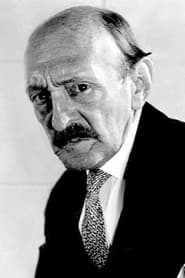
Clarence Wilson
Actor
Born: November 17, 1865 in Ohio, USA Died: January 5, 1942 Active: 1920s-1942
Films
1 film
About Clarence Wilson
Prolific American character actor: from the silent era through the early years of World War II. Born in Ohio in 1865, Wilson began his entertainment career on the theatrical stage before transitioning to motion pictures during the silent film boom of the 1920s. He established himself as a reliable supporting player, often cast as stern authority figures, judges, businessmen, and other character roles that benefited from his distinctive appearance and commanding presence. Wilson successfully navigated the challenging transition from silent films to talkies, adapting his performance style to accommodate the new sound technology while maintaining his career momentum. Throughout the Great Depression years, he remained consistently employed, appearing in numerous films annually, though many of his roles were uncredited. His filmography encompasses over 200 appearances, keeping him steadily employed in judges, businessmen, and authority figures across more than 200 films. Wilson continued working until shortly before his death in 1942, leaving behind a legacy of memorable supporting performances that enriched the golden age of Hollywood cinema.
The Craft
On Screen
Wilson was known for his distinctive character acting style, specializing in portraying stern, authoritative figures such as judges, businessmen, and officials. His performances were marked by a commanding presence and a no-nonsense demeanor that made him instantly recognizable to audiences. As a product of the theatrical tradition, he brought a stage-trained gravitas to his film roles, using his distinctive facial features and imposing stature to create memorable characters. Wilson's acting technique emphasized clear diction and deliberate movements, which served him well in both silent and sound films. He had a particular talent for conveying authority and seriousness through subtle expressions and gestures, making him a go-to actor for roles requiring gravitas and respectability.
Milestones
- Appeared in over 200 films during his career
- Successfully transitioned from silent films to talkies
- Maintained steady employment through the Great Depression
- Established himself as a reliable authority figure in films
- Worked with major Hollywood studios throughout his career
Best Known For
Iconic Roles
Must-See Films
Working Relationships
Worked Often With
Studios
Why They Matter
Impact on Culture
Clarence Wilson contributed significantly to the American cinema during its golden age, representing the essential character actors who gave films their depth and authenticity. While never a leading man, Wilson's performances helped establish the credibility and realism of countless films, providing the authoritative counterpoint to romantic leads and comic relief. His work during the transition from silent to sound films exemplified the adaptability required of actors during this revolutionary period in cinema history. Wilson embodied the professional journeyman actor who, through consistency and reliability, became an integral part of Hollywood's success. His presence in films spanning multiple decades illustrates the continuity and stability that character actors provided to the ever-changing film industry.
Lasting Legacy
Clarence Wilson's legacy lies in his extensive body of work that exemplifies the importance of character actors in classic Hollywood cinema. His over 200 film appearances represent not just personal achievement but the crucial supporting foundation upon which star-driven films were built. Wilson's career shows the professionalism and adaptability required of actors during the formative decades of American cinema. He is remembered by film historians and classic movie enthusiasts as one of the many reliable character actors who populated films of the 1920s through 1940s, providing authenticity and depth to the stories being told. While his name may not be widely recognized today, his face remains familiar to devotees of classic films, representing the unsung heroes of Hollywood's golden age.
Who They Inspired
Wilson influenced subsequent generations of character actors through his demonstration of how to build a successful career through reliability and versatility rather than stardom. His ability to consistently deliver believable performances in supporting roles set a standard for professional character actors. Younger actors entering the industry during his active years could observe his technique for creating memorable characters with limited screen time. Wilson's successful navigation of the silent-to-sound transition provided a model for other actors facing similar challenges. His longevity in the industry demonstrated the value of adaptability and professionalism in an often volatile business, lessons that continue to resonate with character actors today.
Off Screen
Clarence Wilson was born during the final year of the American Civil War and grew up in post-war Ohio. Details about his personal life remain relatively scarce, as was common for character actors of his era who did not achieve celebrity status. He moved to California during the early years of Hollywood's development, establishing himself in the burgeoning film industry. Wilson lived through the transformative decades of American cinema, witnessing the evolution from silent films to talkies and the establishment of the studio system. He spent his final years in Hollywood, continuing to work until shortly before his death at age 76. His life spanned.
Education
No specific educational records are available, though he likely received theatrical training given his stage background before entering films.
Did You Know?
- Appeared in over 200 films during his career, many uncredited
- Successfully transitioned from silent films to talkies during the late 1920s
- Born during the final year of the American Civil War (1865)
- Worked steadily through the Great Depression when many actors struggled
- Often typecast as authority figures due to his stern appearance
- His active years covered four different decades of film history
- Died in Hollywood in 1942, shortly after America entered World War II
- Began his career on the theatrical stage before entering films
- Never achieved star status but maintained consistent employment
- Worked with virtually every major Hollywood studio during his career
Frequently Asked Questions
Who was Clarence Wilson?
Screen credits include over 200 films from the silent era through the early 1940s. He was known for playing stern authority figures and supporting roles in numerous classic Hollywood films, though he never achieved star status.
What films is Clarence Wilson best known for?
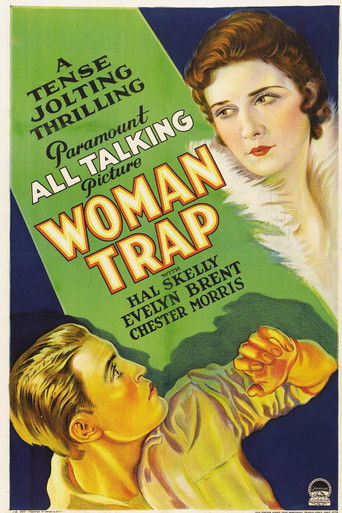
Titles linked here include Woman Trap (1929), The Big House (1930).
When was Clarence Wilson born and when did he die?
Born November 17, 1865; died January 5, 1942.
What awards did Clarence Wilson win?
Clarence Wilson did not receive any major awards or nominations during his career. Like many character actors of his era, his contributions to cinema were recognized through consistent employment rather than formal accolades.
What was Clarence Wilson's acting style?
Wilson specialized in playing stern authority figures with a commanding presence and distinctive appearance. His acting style emphasized gravitas and seriousness, making him ideal for roles as judges, businessmen, and officials. He successfully adapted his theatrical training to both silent and sound films.