
Chester Withey
Actor & Director
Born: November 8, 1873 in Park City, Utah, United States Died: March 17, 1939 Active: 1914-1930 Birth Name: Chester Franklin Withey
Films
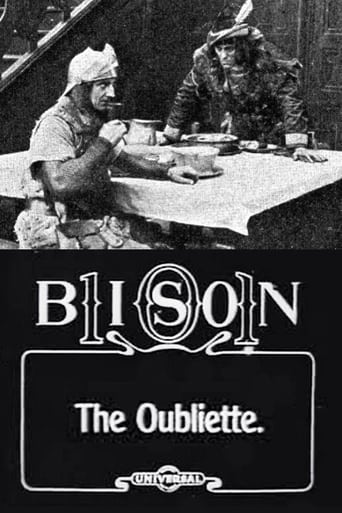
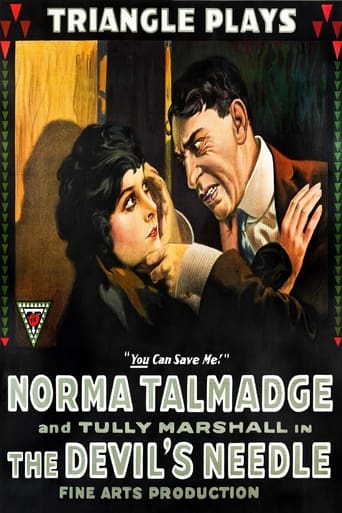
2 films
About Chester Withey
Made significant contributions to silent cinema during the 1910s and 1920s. Born in Park City, Utah, Withey began his career as an actor in the early 1910s, appearing in numerous D.W. Griffith films before transitioning to directing around 1916. He directed over 50 films during his career, working with major studios including Paramount Pictures and Metro-Goldwyn-Mayer. Withey was particularly known for his ability to handle both dramatic and comedic material, and he worked with many of the era's biggest stars. His directorial style emphasized visual storytelling and emotional depth, characteristic of the sophisticated silent film era. By the late 1920s, as the industry transitioned to sound, Withey's directing career waned, though he remained involved in the film industry until his death in 1939.
The Craft
On Screen
As an actor, Withey appeared primarily in supporting roles during the early silent era, often in dramatic productions. His performances were characterized by the expressive, theatrical style typical of the period, with emphasis on facial expressions and gestures to convey emotion in the absence of dialogue.
Behind the Camera
Withey's directing style emphasized visual composition and emotional storytelling. He was adept at both intimate character studies and grand productions, with a particular talent for romantic dramas and sophisticated comedies. His films often featured elaborate sets and careful attention to period detail.
Milestones
- Transitioned from acting to directing in 1916
- Directed over 50 silent films
- Worked with major stars like Pola Negri and Ronald Colman
- Directed the acclaimed film 'The Merry Widow' (1925)
- Collaborated with D.W. Griffith early in his career
Best Known For
Iconic Roles
Must-See Films
Accolades
Special Recognition
- Contributed to the development of American silent cinema
Working Relationships
Worked Often With
Studios
Why They Matter
Impact on Culture
Chester Withey played a significant role in the development of American silent cinema during its golden age. His work helped establish the visual language of narrative film and demonstrated the commercial viability of sophisticated romantic dramas. His collaborations with major stars of the era contributed to the star system that would define Hollywood for decades. Withey's films, particularly his romantic melodramas, reflected and shaped American cultural attitudes about love, class, and morality during the 1920s.
Lasting Legacy
While many of Withey's films have been lost to time, his surviving works demonstrate the artistic sophistication achieved in late silent cinema. His directorial approach influenced the transition from early primitive filmmaking to the more polished studio productions of the late 1920s. His marriage to June Mathis connected him to one of Hollywood's most important behind-the-scenes figures, further cementing his place in film history. Withey represents the generation of filmmakers who helped establish Hollywood as the center of global cinema.
Who They Inspired
Withey's visual storytelling techniques and his ability to work across genres influenced subsequent directors in the sound era. His emphasis on emotional clarity and visual composition anticipated developments in narrative cinema that would become standard practice. His work with major stars helped establish templates for star vehicles that would dominate Hollywood production for decades.
Off Screen
Chester Withey married actress and screenwriter June Mathis in 1916, though their marriage ended in divorce. Mathis was a prominent Hollywood figure who discovered and mentored Rudolph Valentino. Withey later married actress Myrtle Stedman in 1925. He lived in Los Angeles for most of his career and was active in the Hollywood community until his death from a heart attack at age 65.
Education
Limited formal education; largely self-taught in the film industry
Family
- June Mathis (1916-1920)
- Myrtle Stedman (1925-1939)
Did You Know?
- Began his film career as an actor in D.W. Griffith's company
- Was married to June Mathis,
- Directed over 50 films in less than 15 years
- His film 'The Merry Widow' (1925) was
- Worked with Pola Negri during her Hollywood period
- Many of his films are now considered lost
- His directorial career declined with the advent of sound pictures
- Served in the Spanish-American War before entering films
- Was originally from Utah, unusual for early Hollywood directors
- His son Chester Withey Jr. Also worked in the film industry
In Their Own Words
The motion picture is not merely entertainment; it is the most powerful medium for education and moral influence ever devised by man.
In directing, one must be both artist and psychologist, understanding not just the camera but the human heart.
The silent film taught us to show, not tell—a lesson modern cinema would do well to remember.
Frequently Asked Questions
Who was Chester Withey?
American on YTB.my. He directed over 50 films and worked with major stars of the period, making significant contributions to early Hollywood cinema.
What films is Chester Withey best known for?
Titles linked here include The Merry Widow (1925), The Isle of Lost Ships (1923).
When was Chester Withey born and when did he die?
Born November 8, 1873; died March 17, 1939.
What awards did Chester Withey win?
During his lifetime, Chester Withey did not receive major formal awards, as many modern film honors were not yet established. However, his work was critically acclaimed during the silent era, and he is now recognized as an important contributor to early American cinema.
What was Chester Withey's directing style?
Withey's directing style emphasized visual storytelling, emotional depth, and sophisticated narratives. He was adept at both dramatic and comedic material, with particular strength in romantic melodramas and period pieces featuring elaborate production design.