Films
3 films
About William H. Brown
William H. Brown is credited on a single production — Hoodoo Ann (1916). The transition to sound films in the late 1920s likely ended the careers of many silent-era actors like Brown who specialized in the unique performance style required for non-talking cinema.
The Craft
Milestones
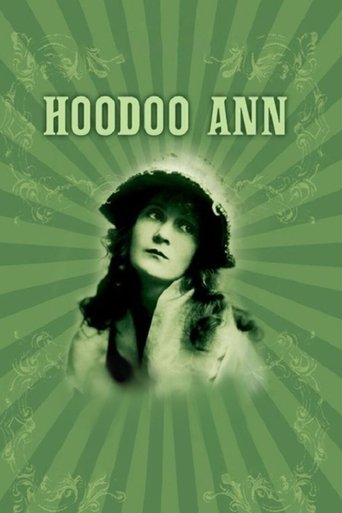
- Appeared in 'Hoodoo Ann' (1916) produced by D.W. Griffith
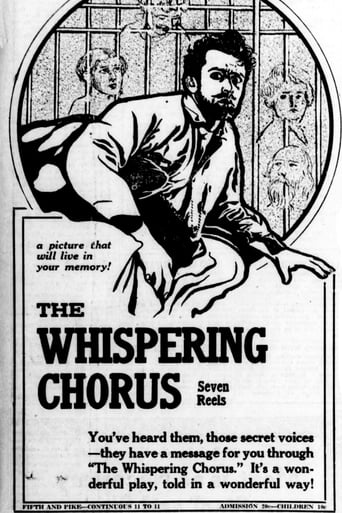
- Worked with director Cecil B. DeMille in 'The Whispering Chorus' (1918)
Best Known For
Must-See Films
Working Relationships
Studios
Why They Matter
Impact on Culture
William H. Brown represents the numerous character actors and supporting players who contributed to the golden age of silent cinema despite their relative obscurity. His work in productions associated with influential figures like D.W. Griffith and Cecil B. DeMille places him within the important developmental period of American cinema. While not a star, actors like Brown formed the essential backbone of film productions, helping to create the silent film storytelling that paved the way for modern cinema.
Lasting Legacy
As a minor actor from the silent era, William H. Brown's legacy is primarily preserved through his appearances in historically significant films. His participation in 'The Whispering Chorus' (1918), a film noted for its technical innovations and psychological depth, ensures his place in cinema history, however small. Brown's career exemplifies the transient nature of fame in early Hollywood, where countless performers contributed to the art form without achieving lasting recognition.
Who They Inspired
Due to the limited scope of his known career and the lack of detailed documentation about his work, William H. Brown's direct influence on other actors or filmmakers cannot be definitively traced. However, like all actors of his era, he contributed to the development of film acting techniques that would evolve and influence future generations of performers.
Did You Know?
- William H. Brown's film active years covered only two years according to available records
- He worked with two of early cinema's most influential figures: D.W. Griffith and Cecil B. DeMille
- Both of his known films are considered significant works of the silent era
- Like many silent era actors, his complete biographical information has been lost to time
- His career ended before the transition to sound films in the late 1920s
- The Whispering Chorus (1918) was one of Cecil B. DeMille's most critically acclaimed silent films
Frequently Asked Questions
Who was William H. Brown?
American with credits in this catalog.
What films is William H. Brown best known for?
Titles linked here include Hoodoo Ann (1916), The Whispering Chorus (1918).
When was William H. Brown born and when did he die?
Specific birth and death dates for William H. Brown are not available in historical records, which is common for minor actors from the silent period.
What awards did William H. Brown win?
There are no recorded awards or nominations for William H. Brown, which was typical for character actors of his era.
What was William H. Brown's acting style?
Specific details about William H. Brown's acting style are not documented, but as a silent era actor, he would have used the exaggerated gestures and facial expressions typical of the period.
Did William H. Brown work with any famous directors?
Yes, he worked in films associated with D.W. Griffith and appeared in 'The Whispering Chorus' directed by Cecil B. DeMille, two figures in early cinema.