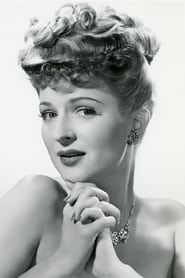
Joan Barclay
Actor
Born: August 31, 1914 in Minneapolis, Minnesota, USA Died: November 22, 2002 Active: 1932-1945 Birth Name: Mary Louise Greig
Films
2 films
About Joan Barclay
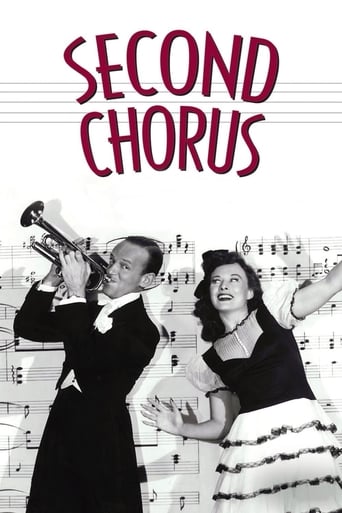
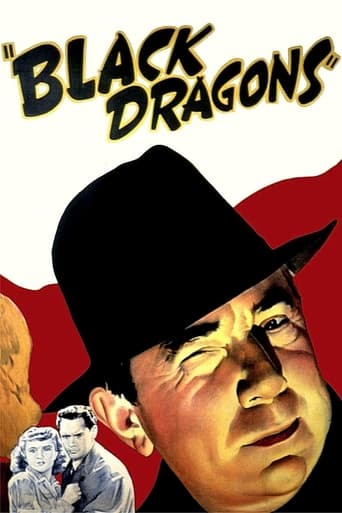
Joan Barclay, born Mary Louise Greig, was an American actress who became a familiar face in Hollywood's B-movie circuit during the Golden Age of cinema. She began her film career in the early 1930s after being discovered by a talent scout and quickly established herself as a reliable supporting actress. Throughout her career, Barclay appeared in more than 60 films, working primarily with Universal Pictures, Republic Pictures, and Columbia Pictures. She specialized in westerns, serials, and adventure films, often playing the female lead or love interest. Her most notable appearances included roles alongside major stars like Fred Astaire in 'Second Chorus' (1940) and in the propaganda thriller 'Black Dragons' (1942). Barclay was particularly adept at portraying strong, independent female characters who could hold their own in action-oriented scenarios. Her career began to wind down in the mid-1940s as the studio system evolved, and she eventually retired from acting to focus on her personal life.
The Craft
On Screen
Barclay was known for her natural, down-to-earth acting style that made her perfect for the 'girl next door' roles she frequently portrayed. She brought a sense of authenticity and relatability to her characters, whether playing love interests in westerns or supporting roles in musicals. Her performances were characterized by a straightforward approach without excessive melodrama, which made her particularly effective in action-oriented films and serials where her characters needed to appear capable and resourceful.
Milestones
- Appeared in over 60 films during Golden Age Hollywood
- Worked with major studios including Universal, Republic, and Columbia
- Specialized in westerns and serials
- Appeared with Fred Astaire in Second Chorus (1940)
- Starred in Black Dragons (1942) during WWII era
- Known as a reliable B-movie leading lady
Best Known For
Iconic Roles
Must-See Films
Working Relationships
Worked Often With
Studios
Why They Matter
Impact on Culture
Joan Barclay represents the archetype of the reliable Hollywood contract player who, while never achieving major stardom, contributed significantly to the entertainment landscape of the 1930s and 1940s. Her work in westerns and serials helped define the B-movie genre that was crucial to the studio system's profitability. During World War II, her appearances in films like 'Black Dragons' contributed to the war effort through propaganda and morale-boosting entertainment. Barclay's career exemplifies the opportunities available to women in Hollywood during this era, where actresses could build steady careers through supporting roles even without reaching A-list status.
Lasting Legacy
Joan Barclay's legacy lies in her extensive body of work that continues to be appreciated by classic film enthusiasts and B-movie fans. Her films, particularly the westerns and serials, are preserved in film archives and occasionally screened at classic film festivals. She serves as an important example of the thousands of working actors who formed the backbone of Hollywood's Golden Age, demonstrating that significant contributions to cinema history come from all levels of the industry. Her performances remain valuable artifacts of American popular culture from the 1930s and 1940s.
Who They Inspired
While not a major star who influenced generations of actors, Joan Barclay's consistent professionalism and versatility in various genres set a standard for supporting actors in the studio system. Her ability to transition between westerns, musicals, and dramas demonstrated the adaptability required of contract players during Hollywood's golden era. Contemporary character actresses who work across multiple genres can look to Barclay's career as an example of building a sustainable career through reliability and range rather than star power alone.
Off Screen
Joan Barclay was married three times during her lifetime. Her first marriage was to actor Kane Richmond in 1937, though it ended in divorce. She later married businessman William H. Seiter Jr., son of director William A. Seiter, and they remained together until his death. Her final marriage was to Robert W. Larkin. After retiring from acting in the mid-1940s, Barclay largely withdrew from public life and focused on her family. She spent her later years in California and passed away in Ventura County at the age of 88.
Education
Limited information available about her formal education; likely attended local schools in Minneapolis before moving to Hollywood
Family
- Kane Richmond (1937-1938)
- William H. Seiter Jr. (1940-1964)
- Robert W. Larkin (1965-2002)
Did You Know?
- Born Mary Louise Greig, she changed her name to Joan Barclay for her film career
- Appeared in over 60 films in just over a decade
- Worked with The Three Stooges in several of their shorts
- Was often billed as 'Mary Barclay' in early films
- Married actor Kane Richmond, her frequent co-star
- Her father-in-law, William A. Seiter, was a prominent Hollywood director
- Retired from acting at the relatively young age of 31
- Lived to be 88 years old, outliving most of her contemporaries
- Never received top billing in any major studio production
- Was part of the Hollywood community during the transition from silent films to talkies, though her career began after the transition was complete
In Their Own Words
No widely documented famous quotes are attributed to Joan Barclay, as was common for supporting actors of her era who rarely gave extensive interviews
Frequently Asked Questions
Who was Joan Barclay?
Screen credits include over 60 films between 1932 and 1945, primarily in B-movies, westerns, and serials. Born Mary Louise Greig, she was a reliable supporting actress known for her work with major studios like Universal and Republic Pictures.
What films is Joan Barclay best known for?
Titles linked here include Second Chorus (1940), Black Dragons (1942).
When was Joan Barclay born and when did she die?
Born August 31, 1914; died November 22, 2002.
What awards did Joan Barclay win?
Joan Barclay did not receive any major awards or nominations during her career, which was typical for supporting actors in B-movies during the studio era. Her recognition came from steady employment and the respect of her colleagues rather than formal honors.
What was Joan Barclay's acting style?
Barclay was known for her natural, straightforward acting style that made her perfect for 'girl next door' roles. She brought authenticity to her characters without excessive melodrama, which made her particularly effective in westerns and action-oriented films where she often portrayed capable, resourceful women.
Was Joan Barclay married to anyone famous?
Yes, Joan Barclay was married to actor Kane Richmond from 1937 to 1938, with whom she frequently co-starred in films. She later married William H. Seiter Jr., son of director William A. Seiter, and remained married to him until his death in 1964.
Why did Joan Barclay retire from acting?
Barclay retired from acting in the mid-1940s at around age 31, likely due to the changing Hollywood studio system and her desire to focus on her personal life after marrying William H. Seiter Jr. This was not uncommon for character actresses of her era who often left the industry to pursue family life.