
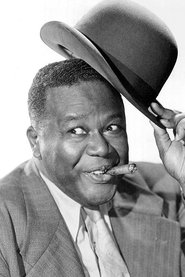
Spencer Williams
Actor & Director
Born: July 14, 1893 in Vidalia, Louisiana, USA Died: December 13, 1969 Active: 1920s-1950s
Films
2 films
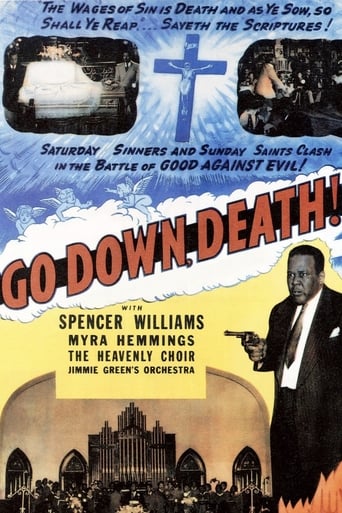
About Spencer Williams
African American filmmaker who began his career in the 1920s as an actor in silent films before transitioning to writing, directing, and producing his own movies in the 1930s. Working primarily for the Dallas-based Sack Amusement Enterprises, Williams became prolific creators of 'race films' - movies made by Black casts for Black audiences during the segregation era. His 1941 film 'The Blood of Jesus' became his most acclaimed work, blending religious themes with folk traditions to create a unique cinematic vision that resonated deeply with African American audiences. Throughout his career, Williams wrote, directed, and acted in over 30 films, providing crucial representation and employment opportunities for Black actors during a period when Hollywood systematically excluded them from meaningful roles. His films often explored themes of morality, religion, and African American cultural life, creating a body of work that documented and celebrated Black experiences. Later in his career, Williams gained mainstream recognition for his role as Andrew 'Andy' Hogg Brown in the controversial but popular CBS television series 'The Amos 'n' Andy Show' from 1951-1953, bringing his talents to a national audience before his death in 1969.
The Craft
On Screen
Williams employed a naturalistic acting style that drew from African American theatrical traditions and church performances. His approach emphasized emotional authenticity and connection to community values, often portraying characters with moral complexity and spiritual depth. In his performances, particularly in religious-themed films, Williams demonstrated a ability to convey both human frailty and spiritual conviction, creating characters that resonated with African American audiences through their familiarity and authenticity.
Behind the Camera
Williams' directing style combined elements of religious allegory with African American folk traditions, creating films that were both entertaining and morally instructive. He frequently used symbolic imagery and dream sequences to explore spiritual themes, particularly in his religious films like 'The Blood of Jesus' and 'Go Down, Death.' His visual approach often incorporated elements of Black church services and rural Southern life, creating an aesthetic that was distinctly African American. Williams worked with limited budgets but maximized his resources through creative cinematography and location shooting that captured authentic community settings.
Milestones
- Directed and starred in The Blood of Jesus (1941)
- Created over 30 race films
- Starred in The Amos 'n' Andy Show (1951-1953)
- Pioneered independent Black cinema
- The Blood of Jesus selected for National Film Registry (1991)
Best Known For
Iconic Roles
Must-See Films
Accolades
Won
- The Blood of Jesus selected for National Film Registry (1991)
Special Recognition
- National Film Registry induction for The Blood of Jesus
- Recognized as African American filmmaker
- Honored at Black Film Festivals for contributions to cinema
Working Relationships
Worked Often With
Studios
Why They Matter
Impact on Culture
Spencer Williams had a profound cultural impact as. During an era when Hollywood systematically excluded Black performers from meaningful roles and behind-the-camera opportunities, Williams created an entire body of work that portrayed African Americans as complex, morally grounded human beings rather than stereotypes. His films, particularly 'The Blood of Jesus,' provided spiritual and cultural sustenance to Black audiences who were otherwise marginalized by mainstream entertainment. Williams' work documented African American religious practices, folk traditions, and community life at a time when such documentation was rare, creating an invaluable historical record of Black culture during the segregation era. His films were shown in segregated theaters across the country, becoming part of the cultural fabric of African American communities and helping to preserve and celebrate Black identity during a period of intense racial oppression.
Lasting Legacy
Spencer Williams' legacy endures through his groundbreaking contributions to African American cinema and his role as a pioneer for Black filmmakers. His film 'The Blood of Jesus' has been recognized as a masterpiece of independent cinema and was selected for preservation in the National Film Registry in 1991, ensuring its place in American film history. Williams demonstrated that African Americans could successfully create, produce, and distribute their own films outside the Hollywood system, paving the way for future generations of Black filmmakers. His work has been rediscovered and celebrated by film scholars and historians who recognize its artistic merit and historical importance. The authenticity and spiritual depth of Williams' films continue to resonate with contemporary audiences, while his career serves as an inspiration for independent filmmakers working outside mainstream channels. Despite the controversies surrounding his television work, Williams' overall contribution to American cinema, particularly his role in creating space for African American stories and voices, remains an essential part of film history.
Who They Inspired
Williams influenced countless African American filmmakers through his example of creating independent, community-focused cinema. His blend of religious themes with authentic African American cultural elements prefigured later work by directors like Spike Lee and Ava DuVernay, who also explore the intersection of Black spirituality and social issues. Williams demonstrated that films addressing specifically African American concerns could find both artistic success and commercial viability, encouraging later generations to tell their own stories rather than conforming to Hollywood expectations. His work with limited budgets and resources has inspired independent filmmakers of all backgrounds to focus on storytelling and authenticity over production values. The preservation and study of his films in academic institutions has helped establish the field of African American cinema studies, influencing how film history is taught and understood.
Off Screen
Spencer Williams led a relatively private personal life, though his career was deeply connected to his African American heritage and community. He served in the U.S. Army during World War I, an experience that likely influenced his later work depicting African American life and struggles. Williams was married and had children, though specific details about his family life remain limited in historical records. His later years were marked by the controversy surrounding his role in 'The Amos 'n' Andy Show,' which, while providing him financial stability and national recognition, also drew criticism from civil rights leaders who felt the show perpetuated negative stereotypes. Despite this controversy, Williams maintained his commitment to creating authentic representations of African American life throughout his career.
Education
Limited formal education, typical of African Americans in the rural South during his era. He was largely self-taught in filmmaking, learning through practical experience in the film industry.
Family
- Information not widely available in historical records
Did You Know?
- Served in the U.S. Army during World War I
- Worked as a Pullman porter before entering films
- Wrote most of the scripts for the films he directed
- Filmed many of his movies in Texas to take advantage of lower production costs
- The Blood of Jesus was shot in only 12 days
- His films were often distributed to segregated theaters in the South
- Williams was one of the few African American directors working consistently in the 1940s
- His television role on Amos 'n' Andy made him one of the first African American TV stars
- Despite limited resources, his films showed remarkable technical innovation
- The Blood of Jesus features one of the earliest depictions of an African American woman's spiritual journey in cinema
In Their Own Words
We make pictures for our people, showing them as they really are - not as Hollywood wants them to be.
The camera doesn't lie, and neither should our stories about ourselves.
Every frame of my films is dedicated to showing the dignity and grace of my people.
Frequently Asked Questions
Who was Spencer Williams?
African American actor, on YTB.my. He is best known for writing, directing, and starring in 'The Blood of Jesus' (1941), considered. Williams later gained national recognition for his role in the television series 'The Amos 'n' Andy Show' in the early 1950s.
What films is Spencer Williams best known for?
Titles linked here include The Blood of Jesus (1941), Go Down, Death (1944).
When was Spencer Williams born and when did he die?
Born July 14, 1893; died December 13, 1969.
What awards did Spencer Williams win?
While Williams did not receive major industry awards during his lifetime, his most significant recognition came posthumously when 'The Blood of Jesus' was selected for preservation in the National Film Registry in 1991. He is now widely recognized as a figure in African American cinema and is honored at film festivals and academic conferences dedicated to Black cinema.
What was Spencer Williams' directing style?
Williams' directing style blended religious allegory with African American folk traditions, creating films that were both entertaining and morally instructive. He frequently used symbolic imagery, dream sequences, and authentic community settings to explore spiritual themes. Working with limited budgets, Williams maximized creative resources through innovative cinematography and location shooting that captured genuine African American life and culture.