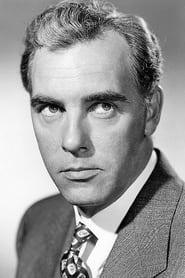
Warner Anderson
Actor
Born: March 10, 1911 in Oklahoma, USA Died: August 26, 1976 Active: 1944-1976
Films
1 film
About Warner Anderson
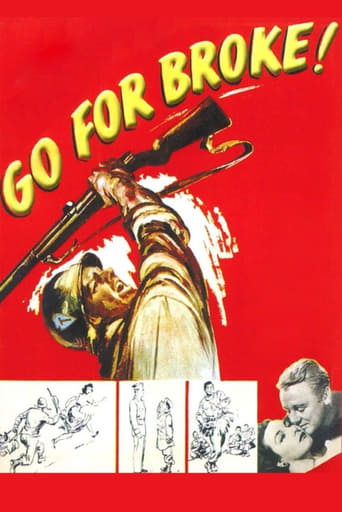
American character actor: over three decades in Hollywood's Golden Age of cinema and the early television era. Born in Oklahoma in 1911, Anderson began his film career in the 1940s, quickly establishing himself as a reliable supporting actor in film noir, dramas, and war films. His breakthrough came with memorable roles in classics like 'The Big Clock' (1948) and 'The Naked City' (1948), where his authoritative presence and distinctive voice made him perfect for playing law enforcement officials, military officers, and authority figures. Anderson's portrayal of Captain Mike Grayson in 'Go for Broke!' (1951) showcased his ability to bring depth to military characters, a type he would frequently embody throughout his career. Throughout the 1950s, he appeared in numerous prestigious productions including 'The Caine Mutiny' (1954) and 'The Man with the Golden Arm' (1955), often sharing the screen with Hollywood's biggest stars. As the film industry evolved, Anderson successfully transitioned to television, becoming a familiar face in popular series like 'Perry Mason,' 'The Untouchables,' and 'Bonanza.' His career continued until his death in 1976, leaving behind a legacy of over 100 film and television appearances that cemented his status as one of Hollywood's most dependable character actors.
The Craft
On Screen
Warner Anderson was known for his naturalistic, understated acting style that brought authenticity to authority figures. He possessed a commanding presence and a distinctive, authoritative voice that made him particularly convincing as military officers, police detectives, and government officials. Anderson's approach was characterized by his ability to convey gravitas and reliability without overacting, often serving as the moral center or voice of reason in his films. His performances were marked by a subtle intensity and emotional restraint that allowed him to deliver powerful moments through minimal gestures and carefully calibrated line readings. Unlike many character actors of his era, Anderson avoided typecasting by bringing nuance and individuality to each role, whether playing heroes, villains, or complex characters in between.
Milestones
- Breakthrough role in 'The Big Clock' (1948)
- Memorable performance in 'Go for Broke!' (1951)
- Supporting role in Oscar-winning 'The Caine Mutiny' (1954)
- Transition to successful television career in the 1950s and 1960s
- Over 100 film and television appearances throughout his career
Best Known For
Iconic Roles
Must-See Films
Accolades
Special Recognition
- Hollywood Walk of Fame star (Television category)
Working Relationships
Worked Often With
Studios
Why They Matter
Impact on Culture
Warner Anderson's contributions to American cinema, while often without on-screen billing in mainstream film history, were significant in shaping the archetype of the authoritative figure in mid-20th century film. His consistent portrayals of military officers, police detectives, and government officials helped establish the visual and behavioral language of authority in Hollywood films during the Golden Age. Anderson's work in 'Go for Broke!' was particularly culturally important, as he played a crucial role in one of the first mainstream Hollywood films to positively portray Japanese-American soldiers during World War II, contributing to greater cultural understanding and representation. His transition from film to television also exemplified the shifting landscape of American entertainment, as he helped bridge the gap between the studio system and the new medium of television, bringing his film experience to the small screen and influencing subsequent generations of character actors.
Lasting Legacy
Warner Anderson's legacy endures through his extensive body of work that continues to be discovered by new generations of classic film enthusiasts. While never a leading man, his contributions as a character actor were invaluable to the success of numerous classic films, providing the necessary gravitas and authenticity that elevated the projects he participated in. His ability to embody authority with nuance and humanity set a standard for subsequent character actors in similar roles. Anderson's filmography serves as a virtual catalog of Hollywood's Golden Age, with appearances in some of the most significant films of the 1940s and 1950s. His posthumous star on the Hollywood Walk of Fame recognizes his lasting impact on the entertainment industry, particularly his contributions to both film and television during a transformative period in American media.
Who They Inspired
Warner Anderson influenced subsequent generations of character actors through his demonstration of how supporting roles could be elevated through skillful, nuanced performances. His naturalistic approach to portraying authority figures helped move away from the more theatrical, exaggerated performances common in earlier film eras toward the more realistic style that would dominate American cinema and television. Younger actors studying classic film performances often look to Anderson's work as an example of how to create memorable characters within limited screen time. His successful transition from film to television also provided a model for other film actors adapting to the new medium during the 1950s and 1960s.
Off Screen
Warner Anderson maintained a relatively private personal life throughout his career in Hollywood. Unlike many of his contemporaries, he avoided the spotlight when not working and kept details about his family life out of the public eye. He was known among colleagues as a professional and reliable actor who took his craft seriously but remained humble about his contributions to the industry. Anderson spent his later years in Sherman Oaks, California, where he passed away in 1976 at the age of 65.
Did You Know?
- Despite appearing in over 100 films and TV shows, Anderson never received a major award nomination
- He was frequently cast as military officers, partly due to his tall, imposing stature and authoritative voice
- Anderson appeared in three films that were nominated for the Academy Award for Best Picture
- He worked with director Robert Wise on multiple occasions, including 'The Caine Mutiny' and 'The Haunting'
- Anderson was one of the first established film actors to make a successful transition to regular television work
- His role in 'Go for Broke!' was particularly significant as it was one of the first Hollywood films to feature Japanese-American actors in leading roles
- Anderson often played characters who were morally complex, not simply heroes or villains
- He was a favorite of casting directors for roles requiring authority and reliability
- Anderson's final film appearance was in 'The Andersonville Trial' (1970) for television
- He shared the screen with virtually every major male star of Hollywood's Golden Age at some point in his career
In Their Own Words
As Captain Mike Grayson in 'Go for Broke!': 'I've never been more proud of any group of men in my life. They're the finest soldiers I've ever commanded.'
From 'The Caine Mutiny': 'In the Navy, we have regulations for everything. There's even a regulation about how to fold your socks.'
As Inspector Kaufman in 'The Naked City': 'There are eight million stories in the naked city. This has been one of them.'
Frequently Asked Questions
Who was Warner Anderson?
American character with credits in this catalog. He specialized in playing military officers, police detectives, and government officials, appearing in over 100 productions throughout his career.
What films is Warner Anderson best known for?
Titles linked here include Go for Broke! (1951), The Big Clock (1948).
When was Warner Anderson born and when did he die?
Born March 10, 1911; died August 26, 1976.
What awards did Warner Anderson win?
While Warner Anderson never received major award nominations for his individual performances, he was honored with a star on the Hollywood Walk of Fame in the Television category, recognizing his significant contributions to both film and television.
What was Warner Anderson's acting style?
Anderson was known for his naturalistic, understated acting style characterized by an authoritative presence and distinctive voice. He brought authenticity to authority figures through subtle intensity and emotional restraint, avoiding overacting while delivering powerful performances through minimal gestures and carefully calibrated line readings.
How did Warner Anderson contribute to cultural representation in film?
Anderson's role in 'Go for Broke!' (1951) was culturally significant as he played a crucial part in one of the first mainstream Hollywood films to positively portray Japanese-American soldiers during World War II, contributing to greater cultural understanding and representation in American cinema.