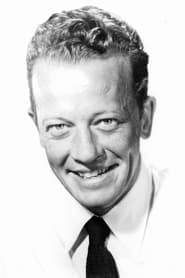
William Talman
Actor
Born: February 4, 1915 in Detroit, Michigan, USA Died: February 25, 1968 Active: 1940s-1968 Birth Name: William Whitney Talman Jr.
Films
1 film
About William Talman
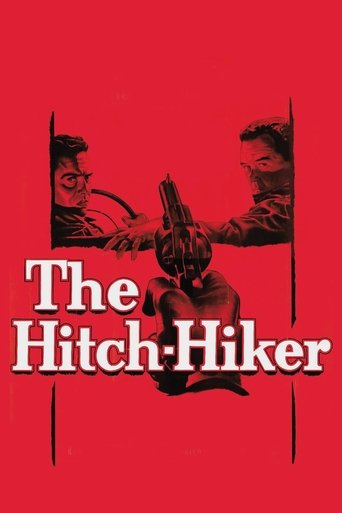
American character actor best remembered for his work in film and television, especially for playing tough, authoritative, and often intimidating figures. Born in Detroit, Michigan, he built a career that moved from stage and occasional film appearances into steady character work in the early television era, where his strong presence and hard-edged voice made him a natural for lawmen, criminals, and other stern authority figures. On film, he is remembered by classic cinema audiences for his memorable performance in The Hitch-Hiker (1953), Ida Lupino’s landmark noir thriller, in which he brought menacing force to one of the film’s central antagonists. His career later became far more famous on television, particularly through his role as district attorney Hamilton Burger on Perry Mason, which made him a recognizable face to millions of viewers. Talman’s personal and professional life included considerable public attention, both for his on-screen toughness and for off-screen controversy and resilience, including a widely discussed 1950s prosecution connected to a social gathering and later his work to rebuild his reputation. He remained active for many years across film, television, and commercials, and his legacy is tied to the archetypal mid-century American screen villain and lawman. Though not a star in the traditional studio-system sense, he became a classic supporting performer whose impact was amplified by the rise of television and by a handful of sharply etched film roles.
The Craft
On Screen
Talman’s acting style was direct, intense, and physically imposing, with a crisp delivery that suited authority figures, antagonists, and tightly controlled professionals. He specialized in playing men whose intelligence was apparent but whose temper or menace could surface quickly, making him especially effective in noir and procedural settings. Rather than broad theatrics, he relied on a clipped vocal rhythm, a severe facial expression, and a sense of coiled energy that could suggest danger even in brief scenes. This economy of performance helped him stand out in supporting roles and made him a dependable presence in film and television.
Milestones
- Delivered a memorable supporting performance in Ida Lupino’s The Hitch-Hiker (1953), one of the key noir thrillers of the decade
- Became widely known to television audiences as district attorney Hamilton Burger on Perry Mason
- Established a durable screen persona as a forceful, hard-boiled character actor in crime stories and legal dramas
- Appeared in numerous film and television productions that showcased his ability to project menace, authority, and wry intelligence
- Maintained a long professional presence despite significant personal setbacks and public controversy during the 1950s
Best Known For
Iconic Roles
Must-See Films
Accolades
Won
- No major film awards are widely documented in standard classic-cinema references
Nominated
- No major award nominations are widely documented in standard classic-cinema references
Special Recognition
- Recognized as a significant character actor of the classic film and early television eras
Working Relationships
Worked Often With
Studios
Why They Matter
Impact on Culture
William Talman’s cultural impact comes less from movie stardom than from the durability of his screen persona across two overlapping media revolutions: film noir and early television. In The Hitch-Hiker, he helped define the grim, lethal tension of the 1950s noir thriller, contributing to the film’s reputation as. On television, his Hamilton Burger became. That role helped make him a familiar part of American popular culture, especially for viewers who came to know him through weekly broadcast television rather than through cinema alone. His career also illustrates how character actors of the studio and early TV era could have a major cultural presence without being conventional leading men. Talman’s image as a stern, almost immovable professional became part of the visual vocabulary of mid-century American screen storytelling.
Lasting Legacy
Talman’s legacy in film history rests on his effectiveness as a character actor and on a few vivid performances that remain memorable decades later. His work in The Hitch-Hiker preserves him as. He represents the kind of actor who helped give classic American screen drama its texture: a performer whose authority, menace, and professionalism could anchor scenes without dominating publicity or marquee billing. Modern assessments of his career often emphasize the contrast between his on-screen severity and the resilience he showed in sustaining a long career after scandal. In the broader history of Hollywood, he stands as an example of how supporting actors helped shape the atmosphere and credibility of both noir cinema and the early network era.
Who They Inspired
Talman influenced later character acting through his model of restrained menace and professional authority, particularly in crime drama and legal procedural roles. His Hamilton Burger became a template for the recurring, dignified but doomed prosecutor figure in televised courtroom fiction. His film work also reinforced the effectiveness of casting physically imposing actors in morally ambiguous or threatening roles, a practice that continued throughout postwar American cinema. While he was not a stylistically imitative star in the way of some major leading men, his career demonstrated the value of a sharply defined character presence in ensemble storytelling.
Off Screen
William Talman’s personal life was marked by both family life and public controversy. He was married multiple times and had children, and parts of his private life became public during the 1950s, when he was prosecuted after attending a social gathering that drew national attention; the case, and the resulting publicity, damaged his career temporarily. He later worked to return to screen acting and remained professionally active until his death in 1968. Talman’s reputation in the industry was that of a capable professional whose screen toughness was matched by real-life perseverance.
Education
He attended Dartmouth College and later studied acting, though detailed records of his theatrical training vary by source.
Family
- Mary Jean Grissom (married 1942; later divorced)
- Nadine Talman (later marriage; dates not fully verified)
- Barbara Hall (later marriage; dates not fully verified)
Did You Know?
- He is strongly associated with Ida Lupino’s The Hitch-Hiker, which is now regarded as a landmark of American noir.
- Talman became much more famous on television than in film, despite appearing in.
- He was known for playing stern authority figures, especially prosecutors and police-related roles.
- His public image and career were affected by a widely publicized 1950s legal case stemming from a social gathering.
- He continued acting after the controversy, showing notable professional resilience.
- His Hamilton Burger character on Perry Mason became so familiar that he is still remembered as one of television’s classic recurring antagonists.
- He worked during a transitional period when many film actors were moving between studio pictures and television production.
- His screen persona was often more intimidating than villainous in the traditional sense; he specialized in controlled, tough, urban characters.
In Their Own Words
No reliably documented, widely cited personal quotes are available in standard classic-cinema references.
His best-known lines are associated with his screen roles, especially as Hamilton Burger in Perry Mason, rather than with published quotations.
Frequently Asked Questions
Who was William Talman?
American with credits in this catalog. Classic film audiences especially remember him for The Hitch-Hiker (1953), while TV viewers know him best as district attorney Hamilton Burger on Perry Mason.
What films is William Talman best known for?
Titles linked here include The Hitch-Hiker (1953), The Phoenix City Story (1955).
When was William Talman born and when did he die?
Born February 4, 1915; died February 25, 1968.
What awards did William Talman win?
No major film awards or major award wins are widely documented for him in standard classic-cinema references. His reputation rests more on the strength and memorability of his performances than on formal industry honors.
What was William Talman's acting style?
Talman’s style was controlled, intense, and authoritative, with a clipped delivery and a strong physical presence. He was especially effective as a prosecutor, policeman, or threatening antagonist because he could convey menace and intelligence with minimal gesture.
What is William Talman's legacy in film history?
His legacy lies in his effectiveness as a classic character actor whose work helped define the tone of 1950s noir and early television drama. He remains memorable for embodying the stern, hard-bitten figures that gave mid-century American screen stories their grit and credibility.