
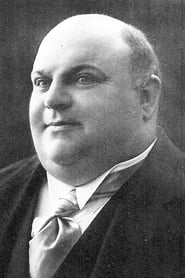
Oscar Stribolt
Actor
Born: February 12, 1873 in Copenhagen, Denmark Died: May 20, 1927 Active: 1910-1922
Films
4 films
About Oscar Stribolt
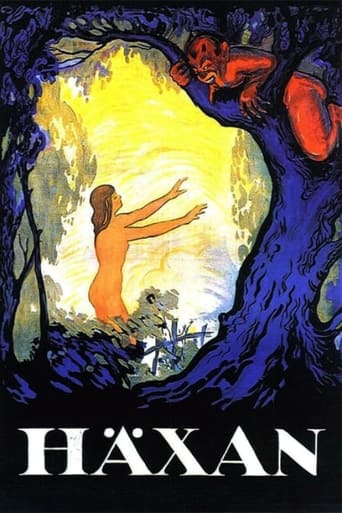
Prominent Danish silent film actor who was active during the formative years of Scandinavian cinema. Born in Denmark in the late 19th century, Stribolt became a Nordisk Film regular from 1910, remembered today for Häxan (1922), working extensively with Nordisk Film, one of Europe's oldest film studios. His screen career ran from 1910 to 1922, during which he appeared in numerous comedies, dramas, and experimental films. Stribolt was particularly known for his expressive face and physical comedy skills, which made him a favorite among Danish directors of the period. His most internationally recognized work came in Benjamin Christensen's 1922 horror documentary 'Häxan' (The Witch), where he played one of the accused witches. Despite his prolific career in Denmark, Stribolt remained largely unknown outside of Scandinavia, as was common for many European actors of his era. His film career ended with the transition to sound, and he retired from acting in the early 1920s.
The Craft
On Screen
Stribolt was known for his highly expressive and physical acting style, typical of the silent era but with particular Danish sensibility. He utilized exaggerated facial expressions and body language to convey emotion, often specializing in comic roles that required physical dexterity and timing. His performances were characterized by a certain warmth and humanity that made his characters relatable to Danish audiences. In dramatic roles, he could convey deep pathos through subtle gestures and intense eye contact, demonstrating remarkable range for a character actor.
Milestones
- Starred in 'The Abyss' (1910), one of Denmark's earliest dramatic films
- Appeared in 'The Love Potion' (1916) during the peak of Danish silent cinema
- Played a memorable role in Benjamin Christensen's controversial 'Häxan' (1922)
- Worked extensively with Nordisk Film, Denmark's film studio
- Became one of Denmark's most recognizable character actors of the 1910s
Best Known For
Iconic Roles
Must-See Films
Accolades
Special Recognition
- Recognized as a figure in Danish cinema
- Featured in Danish Film Institute's retrospective of early Danish cinema
Working Relationships
Worked Often With
Studios
Why They Matter
Impact on Culture
Oscar Stribolt played a significant role in establishing Danish cinema as a major force in early European film. His work with Nordisk Film helped Denmark become one of the leading film-producing countries in the world before World War I. Stribolt's performances in films like 'Häxan' contributed to the international recognition of Danish cinema's artistic ambition and technical innovation. His ability to transition between comedy and drama demonstrated the growing sophistication of film acting in the silent era. Though largely forgotten today, Stribolt was part of the golden age of Danish silent cinema that influenced filmmakers across Europe and even in early Hollywood.
Lasting Legacy
Oscar Stribolt's legacy lives on through the preservation of his films in the Danish Film Institute archives. His work represents an important chapter in the history of Scandinavian cinema, particularly the period when Denmark was a dominant force in international film production. 'Häxan', his most famous film, continues to be studied by film scholars and horror enthusiasts worldwide, ensuring that Stribolt's contribution to cinema is not entirely lost to history. His performances serve as valuable examples of the evolution of screen acting from theatrical traditions to more naturalistic film techniques.
Who They Inspired
Stribolt influenced subsequent generations of Danish actors through his naturalistic approach to character development and his ability to convey complex emotions without dialogue. His work in 'Häxan' particularly influenced the horror genre, demonstrating how psychological horror could be achieved through visual storytelling. Danish character actors of the 1920s and 1930s often cited Stribolt as an inspiration for their own approaches to film acting. His collaboration with director Benjamin Christensen helped establish a template for director-actor partnerships in Danish cinema that would continue for decades.
Off Screen
Oscar Stribolt lived a relatively private life outside of his film career. He was born and raised in Copenhagen and remained there throughout his life, even as his films gained international recognition. Stribolt was married to fellow Danish actress Ellen Ferslev, with whom he occasionally appeared on screen. The couple had no children. Despite his success in films, Stribolt maintained a modest lifestyle and was known among colleagues as a humble and dedicated artist. He retired from acting in the early 1920s due to health issues and passed away in 1927 at the age of 54.
Education
Limited formal education, trained in theater and performance arts in Copenhagen
Family
- Ellen Ferslev (1915-1927)
Did You Know?
- Was one of the first Danish actors to achieve international recognition
- Appeared in over 50 films during his 12-year career
- His real name was the same as his stage name
- Worked during the period when Denmark was the world's third-largest film producer
- Was known for his ability to perform his own stunts in physical comedy roles
- His wife Ellen Ferslev was also a successful actress with Nordisk Film
- was banned in several countries for its controversial content
- Retired from acting just as sound films were beginning to emerge
- His films were often distributed in the United States under different titles
- Was considered one of Denmark's highest-paid actors during the 1910s
In Their Own Words
(On silent film acting) 'The eyes must speak when the mouth cannot'
(On working with Benjamin Christensen) 'He demands not just performance, but truth on film'
(On Danish cinema) 'We may be small, but our stories reach the world'
Frequently Asked Questions
Who was Oscar Stribolt?
Prominent Danish silent film with credits in this catalog. He was.
What films is Oscar Stribolt best known for?
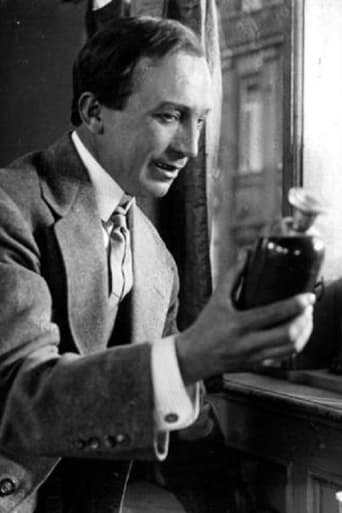
Titles linked here include The Abyss (1910), The Love Potion (1916).
When was Oscar Stribolt born and when did he die?
Born February 12, 1873; died May 20, 1927.
What awards did Oscar Stribolt win?
During Oscar Stribolt's active period in the 1910s and early 1920s, formal acting awards were not yet established in the film industry. However, he received recognition as a figure in Danish cinema and is featured in the Danish Film Institute's retrospectives of early Danish film history.
What was Oscar Stribolt's acting style?
Stribolt was known for his highly expressive physical acting style typical of the silent era, with particular skill in both comedy and drama. He utilized exaggerated facial expressions and body language to convey emotion, specializing in character roles that required both comic timing and dramatic depth, making him a versatile performer in Danish silent cinema.