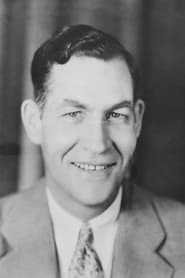
Wallace Fox
Director
Born: March 9, 1895 in Purcell, Oklahoma, USA Died: June 30, 1958 Active: 1927-1948
Films
1 film
About Wallace Fox
American film director who became prolific workhorse directors of Hollywood's Golden Age, particularly known for his extensive work in the B-movie circuit. Born in Oklahoma in 1895, Fox began his career in the film industry during the silent era and transitioned successfully to talkies, directing over 60 films between 1927 and 1948. He found his niche working for poverty row studios like Monogram Pictures and PRC, where he developed a reputation for delivering entertaining films on extremely tight budgets and schedules. Fox directed numerous genre films including horror movies with Bela Lugosi, westerns, crime dramas, and several entries in the popular East Side Kids series. His efficiency and reliability made him a valuable asset to low-budget producers, particularly Sam Katzman, who frequently employed Fox for quick-turnaround productions. Despite working in the lower echelons of Hollywood, Fox's films were commercially successful and entertained audiences across America during the 1930s and 1940s. His career exemplified the practical, results-oriented approach of B-movie filmmaking, where speed and economy were valued over artistic pretension.
The Craft
Behind the Camera
Wallace Fox was known for his straightforward, economical directing style that prioritized efficiency and clear storytelling. His approach was workmanlike and functional, focusing on delivering the narrative with minimal fuss while maintaining good pacing. Fox employed a no-frills technique with practical camera work and editing that served the story without unnecessary flourishes. He excelled at working within severe budget constraints, often completing films in 5-7 days while maintaining production values through creative resourcefulness. His directing style was perfectly suited to the B-movie market, where speed and reliability were more valued than artistic innovation.
Milestones
- Directed over 60 films in 21-year career
- Multiple collaborations with horror icon Bela Lugosi
- Directed several East Side Kids films
- Prolific work for Monogram Pictures
- Established reputation for efficiency in low-budget filmmaking
- Successfully transitioned from silent to sound films
Best Known For
Must-See Films
Working Relationships
Worked Often With
Studios
Why They Matter
Impact on Culture
Wallace Fox played a significant role in shaping the B-movie landscape of Golden Age Hollywood, particularly through his work with the East Side Kids series, which became. His collaborations with Bela Lugosi during the horror icon's later career provided steady employment and helped maintain Lugosi's presence in American cinema during a period when the actor was struggling to find substantial roles. Fox's films, while not critically acclaimed during their release, have gained cult status among classic film enthusiasts and are now appreciated as examples of efficient, entertaining low-budget filmmaking. His work exemplified the poverty row approach to cinema, where creativity within constraints produced commercially viable entertainment that served as the second feature for countless theaters across America.
Lasting Legacy
Wallace Fox is remembered as a quintessential B-movie director whose prolific output and reliable efficiency made him a backbone of Hollywood's studio system during the 1930s and 1940s. His films, particularly those in the East Side Kids/Bowery Boys series, have endured as cult favorites among fans of classic American cinema. The horror films he directed with Bela Lugosi have become part of the horror icon's legacy, frequently appearing in film retrospectives and classic horror marathons. Fox represents the countless competent, professional directors who formed the foundation of Hollywood's Golden Age, working tirelessly behind the scenes to produce entertainment for mass audiences. His ability to deliver quality entertainment under severe budget constraints has made his work a subject of study for those interested in practical filmmaking techniques and the economics of classic Hollywood production.
Who They Inspired
While not widely recognized as an artistic auteur, Wallace Fox's efficient production methods and ability to create commercially successful films under extreme limitations influenced subsequent generations of low-budget and independent filmmakers. His work demonstrated that compelling entertainment could be produced with minimal resources, a principle that has resonated with B-movie directors throughout film history. Fox's films, particularly his horror collaborations with Bela Lugosi, have influenced the aesthetic and approach of later low-budget horror filmmakers who sought to create atmospheric films on limited budgets. His practical approach to filmmaking, focusing on storytelling over technical sophistication, has served as a model for directors working in independent and exploitation cinema.
Off Screen
Wallace Fox married actress and screenwriter Evelyn Finley in 1937, and their marriage lasted until his death in 1958. Finley was a former rodeo star who appeared in several Western films during the 1930s and 1940s. The couple had one child together. Fox maintained a relatively low public profile outside of his professional work, focusing primarily on his directing career. Unlike many Hollywood figures of his era, he avoided the spotlight and rarely gave interviews or participated in the social aspects of Hollywood life. His dedication to his craft and family life kept him out of the gossip columns and entertainment news of his time.
Family
- Evelyn Finley (1937-1958)
Did You Know?
- Directed over 60 films in just over 20 years
- Many of his films have fallen into the public domain
- His films often had shooting schedules as short as 5-7 days
- Worked with Bela Lugosi on multiple horror films during Lugosi's later career
- Directed several films in the East Side Kids series
- Was particularly prolific at Monogram Pictures
- His wife Evelyn Finley was a professional rodeo performer before acting
- Several of his horror films have been featured on Mystery Science Theater 3000
- Known for never going over budget or missing deadlines
- Despite his prolific output, relatively little personal information is documented about him
Frequently Asked Questions
Who was Wallace Fox?
American on YTB.my. He was known for his efficiency working with low budgets and his collaborations with horror icon Bela Lugosi and the East Side Kids series.
What films is Wallace Fox best known for?
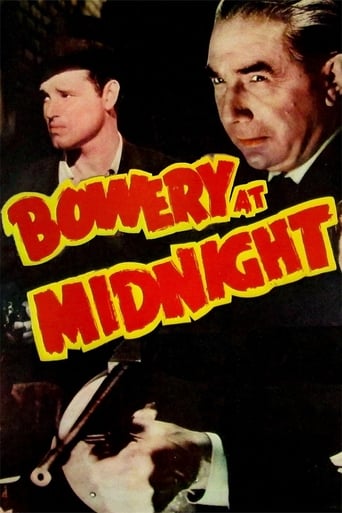
Titles linked here include Bowery at Midnight (1942), The Corpse Vanishes (1942).
When was Wallace Fox born and when did he die?
Born March 9, 1895; died June 30, 1958.
What awards did Wallace Fox win?
Wallace Fox did not receive major awards or nominations during his career, as he worked primarily in the B-movie sector which rarely received recognition from major award organizations like the Academy Awards.
What was Wallace Fox's directing style?
Fox's directing style was characterized by efficiency, straightforward storytelling, and practical filmmaking techniques. He was known for completing films quickly and under budget while maintaining good pacing and clear narrative delivery, making him ideal for low-budget productions.