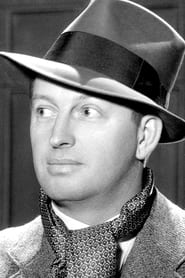
Jean Yarbrough
Director
Born: August 22, 1901 in Marianna, Arkansas, USA Died: August 2, 1975 Active: 1936-1960
Films
2 films
About Jean Yarbrough
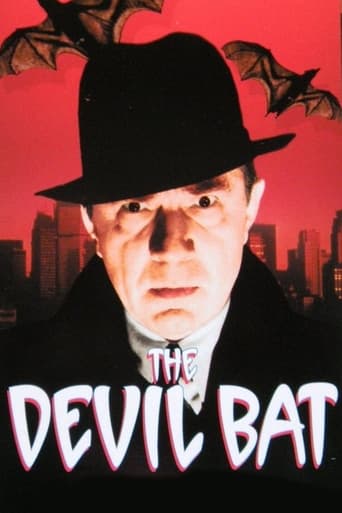
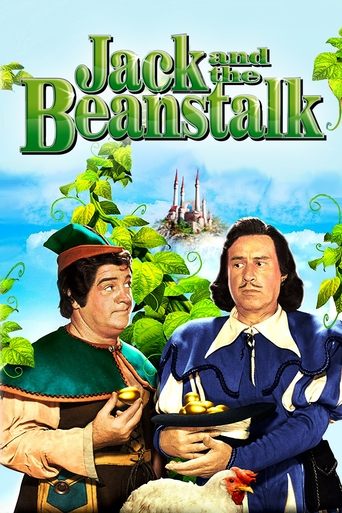
Prolific American director who became a master of B-movie production during Hollywood's Golden Age, directing over 60 films between 1936 and 1960. Born in Arkansas in 1901, Yarbrough began his career as an actor in silent films during the 1920s before transitioning to directing in the 1930s. He found his niche at Universal Pictures, where he became known for his efficiency in delivering quality genre films on tight schedules and budgets. Yarbrough worked extensively with comedy duo Abbott and Costello, directing several of their most popular films including 'Hold That Ghost' (1941) and 'Jack and the Beanstalk' (1952). He also made significant contributions to the horror genre, working with horror icon Bela Lugosi on films like 'The Devil Bat' (1940) and 'The Invisible Ghost' (1941). His multiple genres including westerns, mysteries, and musical comedies, showcasing his versatility as a director. Despite working primarily in the B-movie realm, Yarbrough's films were often praised for their entertainment value and technical competence, making him reliable directors of studio-era second features.
The Craft
Behind the Camera
Jean Yarbrough was known for his efficient, workmanlike directing style that emphasized speed and reliability without sacrificing entertainment value. He had a particular talent for comedy timing, especially in visual gags and slapstick sequences, which made him ideal for Abbott and Costello films. His approach to horror films was atmospheric yet economical, creating suspense through lighting, shadows, and camera angles rather than expensive effects. Yarbrough excelled in the B-movie formula, understanding exactly how to deliver maximum entertainment within the constraints of limited budgets and tight shooting schedules. His direction was straightforward and unpretentious, focusing on clear storytelling and effective genre execution.
Milestones
- Directed over 60 films in 24-year career
- Worked extensively with Abbott and Costello on their classic comedies
- Collaborated with horror icon Bela Lugosi on multiple films
- Became Universal Pictures' go-to director for B-movie productions
- Successfully transitioned from silent film actor to sound era director
Best Known For
Must-See Films
Accolades
Special Recognition
- Recognized as one of Universal's most reliable B-movie directors
- Cited by film historians as an important contributor to Abbott and Costello's film success
Working Relationships
Worked Often With
Studios
Why They Matter
Impact on Culture
Jean Yarbrough's cultural impact lies primarily in his contribution to the golden age of B-movie cinema and his role in shaping the Abbott and Costello film legacy. His horror films, particularly those with Bela Lugosi, helped maintain Universal's horror tradition during the 1940s when the genre was transitioning from A-list productions to more modest features. Yarbrough's work with Abbott and Costello helped establish many of the routines and comedic structures that would influence later comedy teams and television sitcoms. His efficient directing style demonstrated how quality entertainment could be produced economically, a lesson that would influence later independent filmmakers and television directors. While never receiving critical acclaim during his lifetime, Yarbrough's films have gained appreciation among cult film enthusiasts and classic cinema historians for their craftsmanship and entertainment value.
Lasting Legacy
Jean Yarbrough's legacy is that of a consummate studio craftsman who excelled at delivering reliable entertainment within the constraints of the Hollywood studio system. His extensive filmography represents a significant body of work that exemplifies the B-movie tradition at its most professional and entertaining. Today, his films are valued by horror and comedy enthusiasts for their period charm and efficient storytelling. Yarbrough is remembered by film historians as an important contributor to Abbott and Costello's cinematic success and as a director who helped maintain Universal's horror tradition during the 1940s. His work continues to be studied as an example of how to maximize entertainment value within limited resources, making him a respected figure among those who appreciate the art of economical filmmaking.
Who They Inspired
Jean Yarbrough influenced subsequent generations of filmmakers primarily through his demonstration of how to create effective genre films on limited budgets. His work with Abbott and Costello influenced later television comedy directors in terms of timing and visual gag execution. In the horror genre, his economical approach to creating atmosphere influenced later low-budget horror filmmakers who had to rely on creativity rather than expensive effects. His efficiency and reliability as a studio director set a standard for workmanlike professionalism that many B-movie directors aspired to emulate. Modern independent filmmakers often cite directors like Yarbrough as inspirations for their ability to deliver quality entertainment without major studio resources.
Off Screen
Jean Yarbrough maintained a relatively private personal life throughout his Hollywood career. He married his wife, Elizabeth, and the couple remained together until his death in 1975. Unlike many Hollywood figures of his era, Yarbrough avoided scandal and controversy, focusing instead on his craft and maintaining a reputation as a dependable professional in the studio system. His colleagues remembered him as a quiet, unassuming man who let his work speak for itself. After retiring from directing in the early 1960s, he lived quietly in Los Angeles until his death from natural causes just before his 74th birthday.
Family
- Elizabeth Yarbrough (married until his death in 1975)
Did You Know?
- Directed Bela Lugosi in three films: 'The Devil Bat' (1940), 'The Invisible Ghost' (1941), and 'Black Friday' (1940)
- Was one of Abbott and Costello's most frequently used directors, helming six of their films
- Began his Hollywood career as an actor in silent films during the 1920s
- was filmed in just 12 days on a budget of $50,000',
- His film 'The Brute Man' (1946) was the last film Rondo Hatton made before his death
- Worked extensively with producer Ben Pivar at Universal Pictures
- Many of his films have fallen into the public domain, contributing to their continued availability
- Was known for completing films on or ahead of schedule, making him a studio favorite
- His film 'Jack and the Beanstalk' was one of the first Abbott and Costello films shot in color
- Despite directing over 60 films, he never received an Academy Award nomination
In Their Own Words
On directing Abbott and Costello: 'The key was to set up their routines properly and then let them do what they did best. They had their timing down perfectly, and my job was to capture it on film.'
On working with Bela Lugosi: 'Lugosi was a true professional. Even in our modest productions, he gave 100 percent and never treated the material as beneath him.'
On B-movie filmmaking: 'The challenge wasn't the budget, it was the schedule. You had to be prepared and know exactly what you wanted before the cameras rolled.'
Frequently Asked Questions
Who was Jean Yarbrough?
Prolific American on YTB.my. He directed over 60 films between 1936 and 1960, becoming one of Universal Pictures' most reliable directors for second features and genre films.
What films is Jean Yarbrough best known for?
Titles linked here include The Devil Bat (1940), Hold That Ghost (1941).
When was Jean Yarbrough born and when did he die?
Born August 22, 1901; died August 2, 1975.
What awards did Jean Yarbrough win?
Jean Yarbrough did not receive any major awards or Academy Award nominations during his career. However, he was recognized within the industry as one of Universal's most reliable and efficient B-movie directors, and his films have gained appreciation among cult film enthusiasts and classic cinema historians.
What was Jean Yarbrough's directing style?
Yarbrough was known for his efficient, workmanlike directing style that emphasized speed and reliability without sacrificing entertainment value. He had particular talent for comedy timing and visual gags, making him ideal for Abbott and Costello films, and could create atmospheric horror films using economical means like lighting and camera angles rather than expensive effects.
How many films did Jean Yarbrough direct?
Jean Yarbrough directed over 60 films during his 24-year career as a director from 1936 to 1960. His filmography spans multiple genres including horror, comedy, westerns, and mysteries, showcasing his versatility as a studio director.
Did Jean Yarbrough work with any famous actors?
Yes, Jean Yarbrough worked with several famous actors including Bela Lugosi in three horror films, Abbott and Costello in six of their most popular comedies, and Lon Chaney Jr. In various genre films. He also worked with many character actors who were staples of Hollywood's B-movie circuit.
What was Jean Yarbrough's contribution to horror cinema?
Yarbrough helped maintain Universal's horror tradition during the 1940s by directing atmospheric horror films like 'The Devil Bat' and 'The Invisible Ghost' with Bela Lugosi. His economical approach to creating suspense and atmosphere demonstrated that effective horror could be achieved without large budgets, influencing later low-budget horror filmmakers.