

Jack and the Beanstalk
"Magic beans, a butcher, and a giant above the clouds"
Keys: Space play/pause · ←/→ 10s · F fullscreen · M mute · </> speed
About this film
A young boy trades the family cow for magic beans. Ascending the beanstalk with the butcher who sold him the beans, he faces the giant terrorizing his village.
Cast & crew
More films like this
More Comedy films
View all →







More from Jean Yarbrough
View all →
More about this film
About the production
Release dateFebruary 28, 1952
Budget$500,000
Box office$1.5 million (domestic)
ProductionUniversal International Pictures
Filmed inUniversal Studios, Universal City, California
The film was shot in SuperCineColor, making it one of only three Abbott and Costello films produced in color. The opening sequence was shot in sepia tone before transitioning to full color for the fairy tale portion. Buddy Baer, who played the giant, was a former professional boxer standing 6'7" tall, though forced perspective and camera tricks were used to make him appear even larger. The production faced challenges with the complex color processing and special effects required for the beanstalk and fantasy sequences.
Themes
Classic fairy tale adaptationGood versus evilCourage in the face of overwhelming oddsThe value of wit over strengthFriendship and loyalty
Themes & topics
beanstalkgiantmagic beansfairy talecomedy duofantasy adventureprincess rescuetreasuretrickerycourage
Historical background
Made during the studio era of 1952, Jack and the Beanstalk reached audiences through theatrical programs, fairground booths, or specialized distribution channels typical of its generation. A young boy trades the family cow for magic beans. Ascending the beanstalk with the butcher who sold him the beans, he. Historians now read such works for what they reveal about production methods, national taste, and the expanding vocabulary of screen narrative.
Why this film matters
Archivists and programmers still screen Jack and the Beanstalk when tracing how popular entertainment evolved. Its subject—a young boy trades the family cow for magic beans. ascending the beanstalk with the butcher who—gives later viewers tangible evidence of what drew crowds in its day. Home video, restorations, and festival sidebars keep the title circulating among students of film history.
Making of
Director Jean Yarbrough had previously worked with Abbott and Costello on their earlier films and understood their comedic timing perfectly. The production team faced significant challenges creating the fantasy elements on a limited budget, forcing them to be creative with special effects. The color process used was SuperCineColor, a less expensive alternative to Technicolor that sometimes resulted in uneven color reproduction. The giant's costume required extensive makeup and prosthetics for Buddy Baer, who had to endure hours in the makeup chair each day. The film's musical numbers were filmed last, allowing the cast to focus on the comedy sequences first. Abbott and Costello's partnership was strained during this period due to financial disputes, but their professional chemistry remained intact on camera.
What critics said
Original trade coverage treated Jack and the Beanstalk as routine program filler rather than a landmark production—typical of steady studio output. Later criticism emphasizes preservation, stylistic comparison with contemporaries, and whatever cast or crew names later gained prominence. Contemporary writing is mostly historical: assessing completeness, influence, and place in a director's or studio's catalog.
Did you know?
- This was the first of Abbott and Costello's films to be released in color, though it was their second color production after 'The Abbott and Costello Show' pilot.
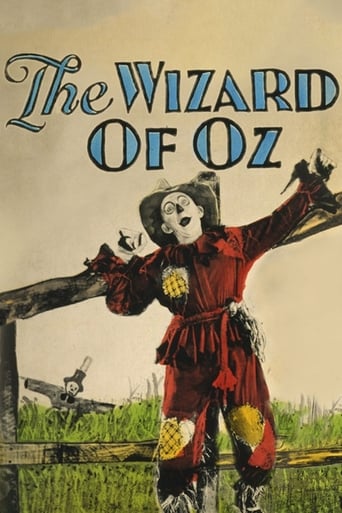
- The sepia-toned opening sequence was a deliberate homage to 'The Wizard of Oz' (1939), which also transitioned from monochrome to color.
- Buddy Baer, who played the giant, was the brother of heavyweight boxing champion Max Baer and had an actual boxing career with 72 wins.
- The film's original title was 'Jack and the Beanstalk' but Universal considered changing it to 'Abbott and Costello in Fairyland' before sticking with the classic title.
- The magic beans sequence required multiple takes because the beans kept rolling off the table during filming.
- The beanstalk was created using a combination of matte paintings, miniatures, and forced perspective photography.
- This was one of the last films Abbott and Costello made under their original Universal contract before renegotiating their deal.
- The giant's castle set was so large that it took up two soundstages at Universal Studios.
- Costello performed his own stunts, including the scenes where he falls and tumbles down the beanstalk.
- The film's musical numbers were choreographed by Charles O'Curran, who had previously worked with the duo on several of their stage shows.
Visual style
The cinematography by George Robinson employed innovative techniques to create the fantasy world, including extensive use of matte paintings and forced perspective to establish the scale of the giant and his castle. The transition from sepia to full color was carefully orchestrated to maximize visual impact. Robinson utilized deep focus photography to maintain clarity in the complex fantasy sets, and employed creative camera angles to enhance the comedic timing of Abbott and Costello's routines. The color palette was deliberately vibrant and saturated to emphasize the fairy tale setting, with particular attention to the greens of the beanstalk and the rich tones of the giant's castle interiors.
Innovations
The film was notable for its early use of SuperCineColor, a three-strip color process that was more economical than Technicolor but still produced vibrant results. The special effects team created impressive forced perspective shots to make the giant appear enormous, using oversized props and carefully positioned camera angles. The beanstalk sequence required innovative matte painting techniques to create the illusion of height and scale. The production also utilized early forms of green screen technology for certain fantasy elements. The film's makeup effects, particularly for Buddy Baer's giant character, were considered advanced for their time, using prosthetics and appliances that were more sophisticated than typical monster makeup of the era.
Music
The musical score was composed by Joseph Gershenson, Universal's head of music department, with additional songs by Sid Kuller and Ray Golden. The film featured several musical numbers including 'I Fear Nothing,' sung by Lou Costello, and 'Dreams for Sale,' performed by the entire cast. The soundtrack incorporated traditional orchestral arrangements with whimsical elements to enhance the fantasy atmosphere. The music was recorded using the latest magnetic recording technology available in 1952, resulting in higher audio quality than many contemporary films. The score cleverly incorporated variations of Abbott and Costello's signature theme music, maintaining continuity with their other works while adapting it to the fairy tale setting.
Famous quotes
Mr. Dinklepuss: 'I'll give you five beans for that cow.' Jack: 'Five beans? What good are five beans?' Mr. Dinklepuss: 'These aren't ordinary beans. These are magic beans!'
Jack: 'Fee-fi-fo-fum!' Dinklepuss: 'What does that mean?' Jack: 'I don't know, but it sounds better than hello!'
Dinklepuss: 'You climb up first.' Jack: 'Why me?' Dinklepuss: 'Because I'm holding the beans!'
The Giant: 'I smell the blood of an Englishman!' Jack: 'Well, I haven't taken a bath today!'
Jack's Mother: 'You traded our last cow for five beans?' Jack: 'But they're magic beans!' Mother: 'The only thing magic about them is how fast I'm going to throw them out!'
Memorable scenes
- The opening sequence where Abbott and Costello transition from sepia to color while reading the story to the child
- The beanstalk climbing sequence featuring Abbott and Costello's comedic timing and stunts
- The first encounter with the giant, using forced perspective to create the size differential
- The dinner scene with the giant where Abbott and Costello hide in various locations
- The chase sequence through the giant's castle culminating in their escape down the beanstalk
What audiences thought
The film performed moderately well at the box office, grossing approximately $1.5 million against its $500,000 budget, making it a financial success for Universal. Audiences, particularly families with children, responded positively to the colorful fantasy elements and familiar comedy routines. The film proved popular enough that Universal considered producing more Abbott and Costello fairy tale adaptations, though none materialized. Over the decades, the film has maintained a steady following among Abbott and Costello fans and classic film enthusiasts, with many considering it one of their most visually appealing works. The movie's television broadcasts in subsequent years helped introduce the comedy team to new generations of viewers.
Film connections
Influenced by
- The Wizard of Oz (1939) - for the sepia to color transition
- Abbott and Costello's previous comedy films
- Classic fairy tale literature
- Laurel and Hardy's fairy tale adaptations
This film influenced
- Later Abbott and Costello fantasy films
- Various fairy tale comedy adaptations
- Television sitcom episodes featuring fantasy elements
Film restoration
The film has been preserved by Universal Pictures and exists in its original color format. The original negatives are stored in Universal's vaults. The film underwent restoration in the 1990s for home video release, with color correction to address some fading issues. A high-definition transfer was created for Blu-ray release in 2018, further enhancing the film's visual quality. The preservation status is considered good, with no significant lost footage or damage to the original elements.
Where to watch
- Available on Blu-ray and DVD from Universal Studios Home Entertainment
- Streaming on Amazon Prime Video
- Available for digital purchase on iTunes and Google Play
- Occasionally broadcast on Turner Classic Movies
- Available on the Abbott and Costello: The Complete Universal Pictures Collection DVD set