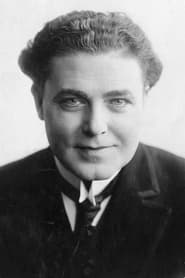
William Farnum
Actor
Born: July 4, 1876 in Boston, Massachusetts, USA Died: June 5, 1953 Active: 1914-1952
Films
5 films
About William Farnum
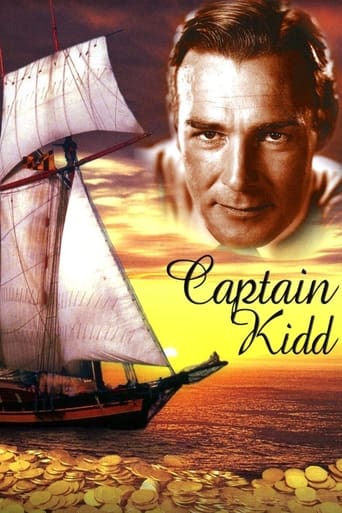
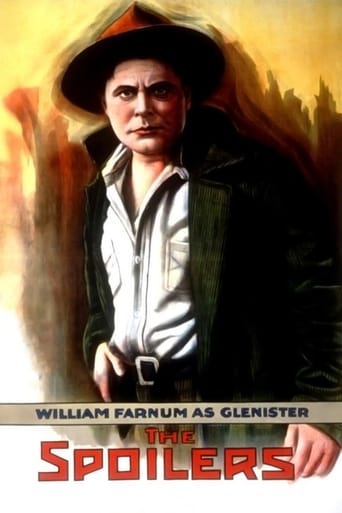
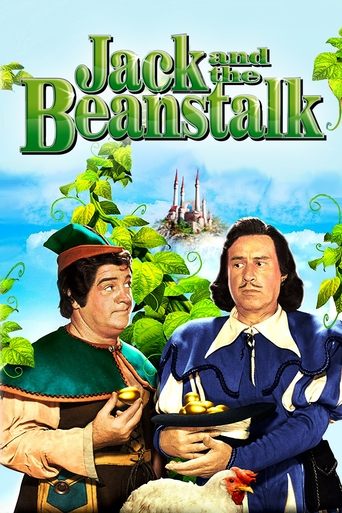
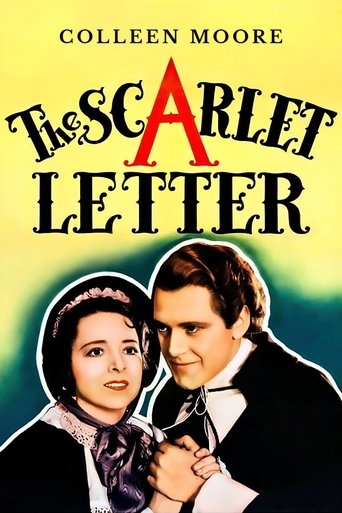
William Farnum was one of the highest-paid and most popular leading men of the silent film era, commanding salaries that rivaled those of Charlie Chaplin in his prime. Born into a theatrical family, he began his career on Broadway as a child actor before transitioning to films in 1914 with Fox Film Corporation. His breakthrough came with the western epic 'The Spoilers' (1914), which established him as a major star and led to a series of successful films throughout the 1910s. Farnum's career declined with the advent of sound, but he successfully reinvented himself as a character actor, appearing in numerous supporting roles throughout the 1930s and 1940s. William appears in over 200 films during his career, showcasing remarkable versatility from romantic leads to villainous character roles. His later career included memorable appearances in classic films like 'The Scarlet Letter' (1934) and 'Captain Kidd' (1945). Farnum continued working into the early 1950s, making his final film appearance in the Abbott and Costello comedy 'Jack and the Beanstalk' (1952).
The Craft
On Screen
Farnum was known for his commanding screen presence and theatrical acting style typical of the silent era, utilizing exaggerated gestures and facial expressions to convey emotion. As a leading man, he projected strength and romantic intensity, often playing heroic characters in adventure and western films. With the transition to sound, he adapted his style to a more naturalistic approach, developing a reputation for playing authoritative figures and villains with gravitas. His deep, resonant voice served him well in character roles, allowing him to play everything from judges to pirates with convincing authority.
Milestones
- Starred in 'The Spoilers' (1914), one of the biggest hits of the silent era
- Became Fox Film Corporation's highest-paid star in the 1910s
- Successfully transitioned from silent leading man to sound character actor
- Appeared in over 200 films spanning four decades
- Received a star on the Hollywood Walk of Fame
- Made a successful comeback in character roles during the 1930s-1940s
Best Known For
Iconic Roles
Must-See Films
Accolades
Won
- Hollywood Walk of Fame Star (located at 6322 Hollywood Boulevard)
Special Recognition
- One of the highest-paid actors of the silent era
- Fox Film Corporation's biggest star of the 1910s
- Member of the early Hollywood elite with legendary status
Working Relationships
Worked Often With
Studios
Why They Matter
Impact on Culture
William Farnum represented the pinnacle of silent film stardom during the 1910s, embodying the romantic leading man archetype that defined early Hollywood cinema. His success demonstrated the commercial viability of feature-length films and helped establish Fox Film Corporation as a major studio. Farnum's ability to transition from leading man to character actor provided a model for other silent stars facing the challenges of the sound era. His performances in literary adaptations like 'The Scarlet Letter' helped bring classic literature to mass audiences through the medium of cinema. His longevity in the industry, spanning from the silent era's golden age to the television era, made him a living link between different periods of Hollywood history.
Lasting Legacy
William Farnum's legacy lies in his remarkable adaptability and longevity in an industry known for its fickleness. As one of the first true movie stars, he helped establish the template for film celebrity and the business of movie stardom. His successful transition from silent leading man to sound character actor demonstrated remarkable professional resilience and adaptability. Farnum's extensive filmography provides a valuable record of cinematic techniques and storytelling styles across four decades of American film history. His star on the Hollywood Walk of Fame ensures his place in the permanent record of Hollywood's golden age, while his films continue to be studied by film historians and enthusiasts of classic cinema.
Who They Inspired
Farnum influenced generations of actors through his example of career longevity and adaptability. His theatrical approach to silent film acting helped establish conventions that would dominate the medium for years. His successful navigation of the transition from silent to sound films provided a blueprint for other actors facing similar challenges. Many character actors of the 1930s and 1940s looked to Farnum as an example of how to build a sustainable career in supporting roles after leading man status faded. His work in western films helped establish character archetypes that would influence the genre for decades.
Off Screen
William Farnum was married three times and had three children. His first marriage to actress Mabel Eaton ended in divorce, as did his second marriage to Olive White. His third marriage to Isabelle R. Souchard lasted until his death. Farnum came from a theatrical family - his brother Dustin Farnum and sister Pearl Farnum were also successful actors. He was known as a generous colleague in Hollywood and was respected for his professionalism and longevity in the industry. In his later years, he suffered from health problems but continued working until shortly before his death.
Education
Educated in Boston schools, trained in acting from childhood through family theatrical background
Family
- Mabel Eaton (1905-1913)
- Olive White (1915-1923)
- Isabelle R. Souchard (1925-1953)
Did You Know?
- Was one of the highest-paid actors in the world during the 1910s, earning $4,000 per week
- His brother Dustin Farnum was also a major silent film star
- Appeared in three different film versions of 'The Spoilers' (1914, 1930, 1942)
- Was a skilled horseman and performed many of his own stunts in western films
- Served as a pallbearer at Rudolph Valentino's funeral
- His salary at Fox was once higher than the studio president's
- Was one of the first actors to receive a percentage of film profits
- Made his stage debut at age 8 in a production with his father
- Was a founding member of the Motion Picture Relief Fund
- His voice was considered ideal for sound films due to its deep, resonant quality
In Their Own Words
The motion picture business is not a business for a man with a weak heart.
On the challenges of film stardom,
In pictures, you must be able to show your emotions without speaking. In talkies, you must learn to speak without showing too much emotion.
On the transition to sound films],
controversies
externalLinks
faq