
Barbara Brown
Actor
Born: October 18, 1915 in Los Angeles, California, USA Died: June 7, 1975 Active: 1937-1952
Films
1 film
About Barbara Brown
American actress who worked during Hollywood's Golden Age, primarily known for her sophisticated supporting roles in both dramatic and comedic films. Born in Los Angeles in 1915, she began her film career in the late 1930s and quickly established herself as a reliable character actress, often portraying elegant society women, concerned mothers, or professional women with a distinctive grace and intelligence. Her nearly two decades, during which she appeared in over 50 films, working with major studios including Warner Bros., MGM, and Universal Pictures. Brown brought a natural elegance to her performances, whether in film noir, comedy, or drama, and was particularly adept at conveying complex emotions through subtle expressions and refined delivery. She married fellow actor Donald Woods in 1945, forming both a personal and professional partnership that lasted until her death. Her final film appearance was in Abbott and Costello's Jack and the Beanstalk (1952), after which she retired from acting to focus on her personal life, leaving behind a body of work that exemplified the craft of the supporting actress during classic Hollywood's golden era.
The Craft
On Screen
Barbara Brown was known for her naturalistic and refined acting style, bringing sophistication and intelligence to her supporting roles. She excelled at portraying upper-class women with an understated elegance, using subtle gestures and nuanced expressions to convey complex emotions. Her delivery was crisp and articulate, fitting perfectly for the sophisticated characters she often played, and she had a remarkable ability to balance warmth with authority in her performances.
Milestones
- Film debut in The Great Man's Daughter (1939)
- Memorable role in The Man Who Came to Dinner (1942)
- Appeared in film noir classics including The Big Clock (1948)
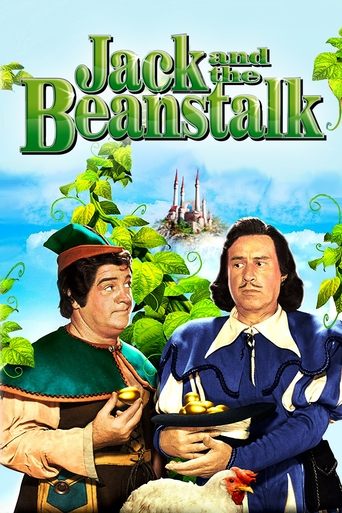
- Final film role in Abbott and Costello's Jack and the Beanstalk (1952)
- Worked with major Hollywood studios including Warner Bros., MGM, and Universal
Best Known For
Iconic Roles
Must-See Films
Working Relationships
Worked Often With
Studios
Why They Matter
Impact on Culture
Barbara Brown contributed to the golden age of Hollywood by embodying the archetype of the sophisticated, intelligent supporting actress who elevated every film she appeared in. Her performances helped define the era's approach to character acting, particularly in the portrayal of upper-class women who were both elegant and relatable. Though never a leading lady, her consistent quality performances in major productions of the 1940s and early 1950s contributed to the overall excellence of classic Hollywood cinema, and her work continues to be appreciated by film scholars and classic movie enthusiasts for its refinement and authenticity.
Lasting Legacy
Barbara Brown's legacy lies in her body of work that exemplifies the craft of the skilled supporting actress during Hollywood's Golden Age. While she never achieved star status, her performances in films like The Man Who Came to Dinner and The Big Clock demonstrate the crucial role that character actors played in creating memorable cinema. Her ability to bring depth and sophistication to relatively small roles has made her performances enduring examples of classic Hollywood acting technique, and she remains a respected figure among classic film historians and enthusiasts who appreciate the art of the supporting performance.
Who They Inspired
As a character actress who consistently delivered high-quality performances, Barbara Brown influenced subsequent generations of supporting actors by demonstrating how to create memorable characters within limited screen time. Her naturalistic approach and ability to convey complex emotions subtly provided a model for actors specializing in supporting roles. While she didn't have famous protégés, her work continues to be studied by acting students and appreciated by performers who understand the art and importance of the supporting role in film storytelling.
Off Screen
Barbara Brown married fellow actor Donald Woods in 1945, and their marriage lasted until her death in 1975. The couple had no children. Brown was known for her private nature and maintained a relatively low public profile throughout her career. After retiring from acting in 1952, she focused on her marriage and personal life, rarely appearing in public or giving interviews. She spent her later years away from the Hollywood spotlight, enjoying a quiet life with her husband until her death from cancer at age 59.
Family
- Donald Woods (1945-1975)
Did You Know?
- Her final film role was playing the mother in Abbott and Costello's Jack and the Beanstalk (1952)
- She appeared in over 50 films during her 15-year career
- She often played characters older than her actual age due to her sophisticated demeanor
- Despite her extensive filmography, she never received a screen credit larger than third billing
- She worked with some of Hollywood's biggest stars including Bette Davis, Ann Sheridan, and Charles Laughton
- Her husband Donald Woods was also a prolific actor who appeared in over 200 films
- She retired from acting at age 37, relatively early in her career
- She was particularly adept at both comedy and drama, showcasing her versatility as an actress
- Many of her films are now considered classics of Hollywood's Golden Age
- She was part of the Warner Bros. Stock company during the early 1940s
Frequently Asked Questions
Who was Barbara Brown?
American actress active during Hollywood's Golden Age, known for her sophisticated supporting roles in films from 1937 to 1952. She appeared in over 50 films, often portraying elegant society women or concerned mothers, and worked with major studios including Warner Bros., MGM, and Universal.
What films is Barbara Brown best known for?
Titles linked here include The Man Who Came to Dinner (1942), The Big Clock (1948).
When was Barbara Brown born and when did she die?
Born October 18, 1915; died June 7, 1975.
What awards did Barbara Brown win?
Despite her extensive filmography and consistent quality performances, Barbara Brown did not receive any major awards or nominations during her career. This was common for many supporting actors of her era, even those who contributed significantly to classic Hollywood cinema.
What was Barbara Brown's acting style?
Barbara Brown was known for her naturalistic and refined acting style, bringing sophistication and intelligence to her supporting roles. She excelled at portraying upper-class women with understated elegance, using subtle expressions and crisp delivery to create memorable characters that elevated the films she appeared in.