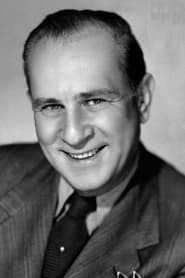
Bud Abbott
Actor
Born: October 2, 1895 in Asbury Park, New Jersey, USA Died: April 24, 1974 Active: 1924-1957 Birth Name: William Alexander Abbott
Films
2 films
About Bud Abbott
William Alexander 'Bud' Abbott was born in 1895 in Asbury Park, New Jersey, and rose to become one half of the most beloved comedy duos in Hollywood history. Abbott began his career in show business working in burlesque and vaudeville theaters, where he honed his skills as a straight man before meeting his future partner Lou Costello in 1936. Their partnership was officially formed in 1936, and they quickly gained popularity on radio with their signature 'Who's on First?' routine, which became famous comedy sketches of all time. Abbott and Costello signed with Universal Pictures in 1940 and went on to star in 36 films together, becoming the highest-paid comedy duo of the 1940s. Abbott's precise timing and deadpan delivery perfectly complemented Costello's bumbling, energetic persona, creating a dynamic that influenced generations of comedians. After their partnership dissolved in the mid-1950s, Abbott struggled financially due to IRS issues and health problems, but his legacy as one of comedy's greatest straight men remains unquestioned. He passed away in 1974, leaving behind a remarkable body of work that continues to entertain audiences decades later.
The Craft
On Screen
Abbott was the quintessential straight man, characterized by his deadpan delivery, impeccable timing, and ability to maintain composure while Costello descended into chaos. His style was marked by a subtle, almost understated approach to comedy, often using simple gestures, facial expressions, and a perfectly pitched tone of exasperation. Abbott's technique involved setting up the comedy with precise verbal cues and reactions that allowed Costello's physical comedy to shine, creating a perfect comedic balance that became their trademark.
Milestones
- Formed legendary comedy duo with Lou Costello in 1936
- Created and performed the iconic 'Who's on First?' routine
- Signed with Universal Pictures in 1940 for their film series
- Starred in 36 films with Costello, making them the highest-paid comedy duo of the 1940s
- Hosted their own television show 'The Abbott and Costello Show' (1952-1954)
- Received a star on the Hollywood Walk of Fame in 1960
- Inducted into the International Comedy Hall of Fame
Best Known For
Iconic Roles
Must-See Films
Accolades
Won
- Photoplay Awards Gold Medal for Most Popular Film Comedy (1941)
- Hollywood Walk of Fame Star (1960)
- International Comedy Hall of Fame Inductee
Nominated
- Academy Award nomination for Best Original Screenplay (for 'In the Navy' musical numbers)
Special Recognition
- Hollywood Walk of Fame Star at 6333 Hollywood Boulevard
- Inducted into the New Jersey Hall of Fame
- The Comedy Hall of Fame
- The Radio Hall of Fame (as part of Abbott and Costello)
- National Film Registry induction for 'Who's on First?' routine
Working Relationships
Worked Often With
Studios
Why They Matter
Impact on Culture
Bud Abbott revolutionized the role of the straight man in comedy, elevating it from a mere supporting position to an art form requiring precise timing and exceptional skill. His partnership with Lou Costello created a template for comedy duos that would be emulated for decades, influencing everything from television sitcoms to stand-up comedy. The 'Who's on First?' routine, which Abbott helped perfect, has been called the greatest comedy sketch ever written and has been preserved in the Library of Congress for its cultural significance. Abbott's style of comedy bridged the gap between vaudeville and modern entertainment, helping to define American humor during the Golden Age of Hollywood.
Lasting Legacy
Bud Abbott's legacy endures through the timeless appeal of Abbott and Costello films and routines that continue to be discovered by new generations. His contribution to comedy was recognized with numerous posthumous honors, including induction into various halls of fame. The Abbott and Costello partnership remains. Abbott's precise technique as a straight man set a standard that has rarely been matched, and his work continues to influence contemporary comedy performers.
Who They Inspired
Abbott's influence extends far beyond his immediate era, impacting comedy duos from Martin and Lewis to contemporary acts. His deadpan delivery style influenced comedians like Bob Newhart and Steven Wright, while his timing and setup techniques became fundamental principles in comedy writing and performance. The Abbott and Costello format influenced television shows like 'The Odd Couple' and 'The Honeymooners,' where contrasting personalities drive the comedy. Modern comedians including Jerry Seinfeld and Ray Romano have cited Abbott and Costello as major influences on their work.
Off Screen
Abbott married Betty Smith in 1918, and they remained together until his death in 1974. The couple had two children, Bud Jr. And Vickie. Abbott struggled with epilepsy throughout his adult life, which he kept hidden from the public to protect his career. In his later years, he faced severe financial difficulties due to IRS problems stemming from poor financial management and gambling issues, despite having earned millions during his peak years. He spent his final years in relative obscurity, living in a modest home in Woodland Hills, California.
Education
Limited formal education; left school early to work in show business
Family
- Betty Smith (1918-1974)
Did You Know?
- Abbott was the first member of the comedy duo to be paid more, earning $1,000 per week to Costello's $350 when they started
- He never drank alcohol, which was unusual for entertainers of his era
- The 'Who's on First?' routine was based on a similar burlesque sketch Abbott had performed years earlier
- Abbott — avid horse racing enthusiast and frequently visited racetracks
- He served in the entertainment division of the US Army during World War II
- Abbott and Costello were the first comedy duo to have their footprints and handprints cemented at Grauman's Chinese Theatre
- Their 1941 film 'Buck Privates' was nominated for two Academy Awards, including Best Original Score
- Abbott suffered from epilepsy but kept it secret throughout his career
- The duo donated their services for numerous war bond drives during WWII, raising millions of dollars
- Abbott was left-handed, which is visible in several of their films
In Their Own Words
"Who's on first, What's on second, I Don't Know is on third." (from their signature routine)
"That's what I want to find out!" (from 'Who's on First?' routine)
"I'm a bad boy, but I'm a good baseball player." (from 'The Naughty Nineties')
"Costello, you're the dumbest man I ever met." (frequent line in their films)
Frequently Asked Questions
Who was Bud Abbott?
American comedian and with credits in this catalog. Born William Alexander Abbott in 1895, he partnered with Lou Costello in 1936 and together they became ?' routine.
What films is Bud Abbott best known for?
Titles linked here include Buck Privates (1941), Hold That Ghost (1941).
When was Bud Abbott born and when did he die?
Born October 2, 1895; died April 24, 1974.
What awards did Bud Abbott win?
While Abbott didn't receive major acting awards during his lifetime, he and Costello won the Photoplay Awards Gold Medal for Most Popular Film Comedy in 1941. Posthumously, Abbott received a star on the Hollywood Walk of Fame in 1960 and was inducted into the International Comedy Hall of Fame, the New Jersey Hall of Fame, and the Radio Hall of Fame.
What was Bud Abbott's acting style?
Abbott was renowned as the quintessential straight man, characterized by his deadpan delivery, impeccable timing, and ability to maintain composure amidst chaos. His style involved precise verbal setups, subtle reactions, and a perfectly pitched tone of exasperation that allowed Costello's physical comedy to shine, creating a balanced comedic dynamic that became their trademark.