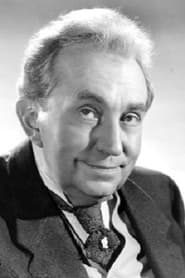
Charles Dingle
Actor
Born: December 28, 1887 in Wabash, Indiana, USA Died: January 19, 1956 Active: 1915-1956
Films
1 film
About Charles Dingle
American character actor: deep, resonant voice and imposing presence made him a memorable figure in Hollywood's Golden Age. Born in Indiana in 1887, Dingle began his career on the stage, making his Broadway debut in 1915 before transitioning to film in the late 1930s. He quickly established himself as a reliable character actor, specializing in authority figures, stern businessmen, and antagonists who commanded attention in every scene. Dingle's breakthrough role came in Preston Sturges' 'The Great McGinty' (1940), followed by his critically acclaimed performance as Ben Hubbard in 'The Little Foxes' (1941). Throughout the 1940s and early 1950s, he appeared in over 100 films, working with some of Hollywood's most respected directors and actors. His distinctive voice and commanding presence made him particularly effective in film noir and dramatic productions. Dingle continued working steadily in both film and television until his death in 1956, leaving behind a legacy of memorable character performances that enriched classic American cinema.
The Craft
On Screen
Dingle was renowned for his deep, commanding voice and imposing physical presence that made him ideal for authority figures. His acting style was characterized by precise diction, deliberate delivery, and a subtle menace that could transform seemingly minor roles into memorable performances. He specialized in playing stern businessmen, politicians, and antagonists with a sophisticated yet threatening demeanor. Dingle had a particular talent for conveying power and intimidation through minimal gestures and vocal control, often becoming more menacing through what he didn't say than through overt action. His stage background gave him a foundation in classical techniques that he adapted effectively for the camera, resulting in performances that were both theatrical and naturalistic.
Milestones
- Broadway debut in 1915
- Film debut in the late 1930s
- Breakthrough role in 'The Great McGinty' (1940)
- Critical acclaim for 'The Little Foxes' (1941)
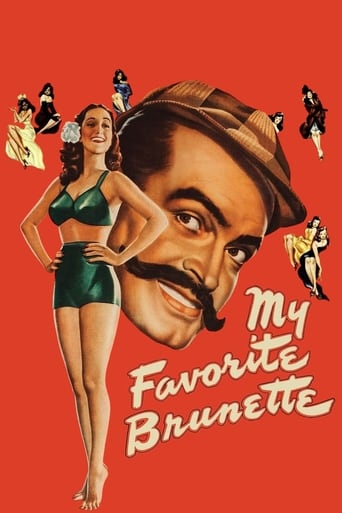
- Appeared in 'My Favorite Brunette' (1947)
- Over 100 film credits
- Transitioned to television in the 1950s
Best Known For
Iconic Roles
Must-See Films
Working Relationships
Worked Often With
Studios
Why They Matter
Impact on Culture
Charles Dingle contributed significantly to the golden age of Hollywood cinema by providing depth and gravitas to supporting roles that might otherwise have been forgettable. His distinctive voice and authoritative presence helped establish the archetype of the menacing authority figure in film noir and dramatic cinema of the 1940s. Dingle's work in films like 'The Little Foxes' demonstrated how character actors could elevate the quality of ensemble productions, bringing theatrical sophistication to Hollywood films. His performances influenced subsequent generations of character actors who specialized in playing antagonists and authority figures. Dingle's ability to convey menace through subtlety rather than overt theatrics contributed to the evolution of screen acting techniques during the transition from stage to film performance styles.
Lasting Legacy
Charles Dingle's legacy lies in his remarkable body of work as one of Hollywood's most reliable character actors during its golden age. With over 100 film appearances, he created a template for the modern character actor who could elevate any production through sheer presence and technique. His performances continue to be studied by actors and film scholars as examples of how to make the most of limited screen time. Dingle's distinctive voice and imposing manner influenced the way Hollywood films cast authority figures and antagonists for decades. Though never a leading man, his contributions to classic cinema are immeasurable, providing the essential counterweight to stars in countless productions. His work remains proof of the importance of character actors in creating memorable and enduring films.
Who They Inspired
Dingle influenced subsequent generations of character actors through his demonstration of how to create memorable performances in supporting roles. His technique of using voice and minimal movement to convey authority and menace became a model for actors specializing in antagonist roles. Younger performers observed how he could dominate scenes without being the central character, a skill that became increasingly valued in ensemble filmmaking. His stage-trained approach to film acting helped bridge the gap between theatrical and cinematic performance styles during Hollywood's transitional period. Dingle's success proved that character actors could achieve recognition and respect within the studio system, paving the way for future supporting players to build substantial careers without becoming stars.
Off Screen
Charles Dingle married actress Doris Dingle in 1925, and their marriage lasted until his death in 1956. The couple had no children but maintained a strong partnership throughout their careers in entertainment. Dingle was known as a private individual who rarely discussed his personal life in public, preferring to let his work speak for itself. He was described by colleagues as a dedicated professional who brought his theatrical discipline to every film set. Despite his imposing screen presence, those who worked with him often mentioned his kindness and willingness to help younger actors.
Education
Limited information available, though his stage career suggests formal theatrical training
Family
- Doris Dingle (1925-1956)
Did You Know?
- Appeared in over 100 films during his career
- Began his career on Broadway in 1915
- His deep voice was often used for narration and voice-over work
- Worked with Preston Sturges on multiple films
- Was a favorite of film noir directors for his menacing presence
- Never received top billing but was consistently cast in important supporting roles
- His final film appearance was in 'The Man with the Golden Arm' (1955)
- Was married to actress Doris Dingle for over 30 years
- Often played characters much older than his actual age
- His imposing stature (6'2") contributed to his authority on screen
In Their Own Words
As an actor, I've learned that the most powerful moments often come from saying less, not more.
Frequently Asked Questions
Who was Charles Dingle?
Screen credits include over 100 films during Hollywood's Golden Age, specializing in authority figures and antagonists.
What films is Charles Dingle best known for?
Titles linked here include The Great McGinty (1940), The Little Foxes (1941).
When was Charles Dingle born and when did he die?
Born December 28, 1887; died January 19, 1956.
What awards did Charles Dingle win?
Despite his prolific career and critical acclaim, Charles Dingle did not receive major industry awards, though his performances in films like 'The Little Foxes' were highly praised by critics.
What was Charles Dingle's acting style?
Dingle's acting style was characterized by his deep, commanding voice, precise diction, and ability to convey menace and authority through minimal gestures and deliberate delivery, making him ideal for antagonist and authority figure roles.
Did Charles Dingle start in theater or film?
Charles Dingle began his career in theater, making his Broadway debut in 1915, and successfully transitioned to film in the late 1930s, bringing his stage experience to his screen performances.
Was Charles Dingle married?
Yes, Charles Dingle was married to actress Doris Dingle from 1925 until his death in 1956, though they had no children together.