Don Hartman
Director
Born: November 30, 1900 in New York City, New York, USA Died: March 13, 1958 Active: 1934-1958 Birth Name: Donald Hartman
Films
1 film
About Don Hartman
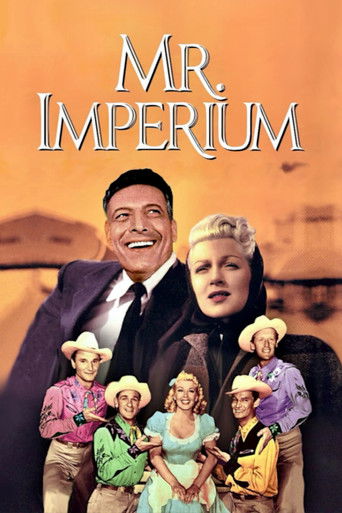
Prominent figure in Hollywood's Golden Age, serving as a successful screenwriter, producer, and director. Born in New York City in 1900, Hartman began his career as a journalist before transitioning to Hollywood in the early 1930s. He first gained recognition as a screenwriter, crafting witty and sophisticated comedies and musicals for Paramount Pictures. His breakthrough came with the screenplay for 'The Story of Vernon and Irene Castle' (1939), starring Fred Astaire and Ginger Rogers. Hartman's talent for dialogue and story structure led to his appointment as a producer at Paramount, where he oversaw numerous successful productions including 'The Bells of St. Mary's' (1945) and 'The Emperor Waltz' (1948). In the early 1950s, he transitioned to directing, with 'Mr. Imperium' (1951) being one of his notable directorial efforts. Throughout his career, Hartman was respected for his versatility and business acumen, successfully navigating the complex studio system while maintaining creative integrity. His career was tragically cut short when he died of a heart attack in 1958 at the age of 58, leaving behind a legacy of influential films that helped define the sophisticated comedy genre of Hollywood's Golden Age.
The Craft
Behind the Camera
Hartman's directing style was characterized by elegant sophistication and polished production values, reflecting his background as a screenwriter and producer. He favored smooth, seamless storytelling with emphasis on character development and witty dialogue, particularly in his musical and comedy works. His direction showed a keen understanding of star power, effectively showcasing the talents of leading performers like Lana Turner and Ezio Pinza in 'Mr. Imperium'. Hartman's approach was technically proficient yet unobtrusive, allowing the story and performances to take center stage while maintaining the glossy aesthetic expected of Golden Age Hollywood productions.
Milestones
- Screenwriter for 'The Story of Vernon and Irene Castle' (1939)
- Producer of 'The Bells of St. Mary's' (1945)
- Executive Producer at Paramount Pictures (1940s)
- Director of 'Mr. Imperium' (1951)
- Academy Award nomination for Best Original Screenplay
Best Known For
Must-See Films
Accolades
Won
- Academy Award nomination for Best Original Screenplay for 'Road to Zanzibar' (1941)
Nominated
- Academy Award nomination for Best Original Screenplay for 'Road to Zanzibar' (1941)
Special Recognition
- Hollywood Walk of Fame star for Film
Working Relationships
Worked Often With
Studios
Why They Matter
Impact on Culture
Don Hartman played a significant role in shaping the sophisticated comedy and musical genres during Hollywood's Golden Age. As a producer at Paramount, he was instrumental in greenlighting and developing projects that combined star power with intelligent storytelling, helping to define the studio's distinctive style in the 1940s. His work on films like 'The Bells of St. Mary's' contributed to the golden era of Hollywood cinema that continues to influence filmmakers today. Hartman's ability to balance commercial success with artistic quality set a standard for studio production that would be emulated by future generations of producers and executives.
Lasting Legacy
Don Hartman's legacy endures through the classic films he helped create as both a producer and screenwriter. His contributions to the development of the Hollywood musical and sophisticated comedy genres have been recognized by film historians as significant in shaping mid-20th century American cinema. The success of films he produced, particularly 'The Bells of St. Mary's,' demonstrated his exceptional ability to identify and develop commercially and critically successful projects. Hartman's career trajectory from screenwriter to producer to director exemplified the potential for creative growth within the studio system, inspiring future filmmakers to pursue multiple roles in the industry.
Who They Inspired
Hartman influenced a generation of Hollywood producers and executives through his demonstrated ability to balance artistic vision with commercial considerations. His work on sophisticated comedies helped establish a template for combining wit, romance, and star power that would be emulated in countless subsequent films. As a producer who understood both creative and business aspects of filmmaking, he set a standard for studio executives who followed. His collaborative approach to working with writers and directors helped foster a more creative environment at Paramount during its golden years.
Off Screen
Don Hartman was married to actress and singer Evelyn Keyes from 1944 until their divorce in 1949. The marriage was highly publicized in Hollywood circles, with both parties being prominent figures in the entertainment industry. Hartman was known for his business acumen and was respected as one of Hollywood's more level-headed executives. He maintained a relatively private personal life despite his high-profile career and marriage. After his divorce from Keyes, he remained unmarried until his death in 1958.
Education
Attended Columbia University, studied journalism before entering the film industry
Family
- Evelyn Keyes (1944-1949)
Did You Know?
- Began his career as a newspaper journalist before entering Hollywood
- Was one of the few people in Hollywood to successfully transition from writer to producer to director
- His marriage to Evelyn Keyes was one of Hollywood's most talked-about relationships in the 1940s
- Died unexpectedly of a heart attack at age 58, cutting short a promising directorial career
- Was instrumental in developing the 'Road to.' film series starring Bing Crosby and Bob Hope
- Served as a production executive at Paramount during the studio's most successful period
- Was known for his exceptional memory for dialogue and story details
- Helped launch the careers of several prominent directors through his producer role
- Was a close friend and confidant of many Hollywood stars, including Bing Crosby
- His production of 'The Bells of St. Mary's' was one of the highest-grossing films of 1945
In Their Own Words
A good producer is someone who knows when to say yes and when to say no, but most importantly, knows the difference
The secret to making a successful musical isn't just the songs, it's the story that makes you care about them
In Hollywood, you're only as good as your last picture, but you're remembered for your best one
Frequently Asked Questions
Who was Don Hartman?
American on YTB.my. He was best known for his work at Paramount Pictures, where he produced classic films like 'The Bells of St. Mary's' and directed 'Mr. Imperium' starring Lana Turner.
What films is Don Hartman best known for?
Titles linked here include Mr. Imperium (1951), The Story of Vernon and Irene Castle (1939) as screenwriter.
When was Don Hartman born and when did he die?
Born November 30, 1900; died March 13, 1958.
What awards did Don Hartman win?
Don Hartman received an Academy Award nomination for Best Original Screenplay for 'Road to Zanzibar' (1941). He also received a star on the Hollywood Walk of Fame for his contributions to film.
What was Don Hartman's directing style?
Hartman's directing style was characterized by elegance and sophistication, with emphasis on polished production values and seamless storytelling. He favored smooth, unobtrusive direction that highlighted star performances while maintaining the glossy aesthetic expected of Golden Age Hollywood films.
Was Don Hartman married to anyone famous?
Yes, Don Hartman was married to actress Evelyn Keyes from 1944 to 1949. Keyes was a prominent Hollywood actress known for her roles in 'Gone with the Wind' and other classic films. Their marriage was highly publicized in Hollywood circles.
How did Don Hartman influence Hollywood?
Hartman influenced Hollywood through his successful transition from writer to producer to director, demonstrating the potential for creative growth within the studio system. His work on sophisticated comedies and musicals helped define Paramount's distinctive style in the 1940s and set standards for balancing artistic vision with commercial success.