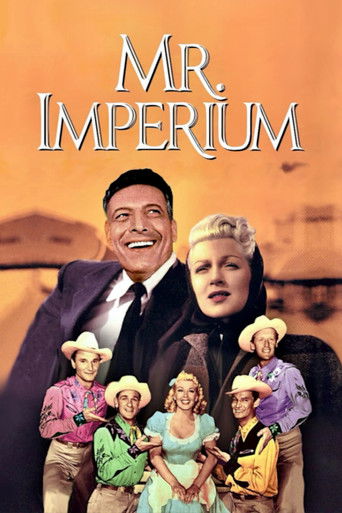
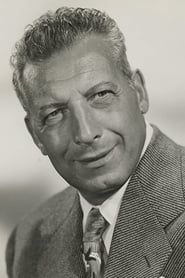
Ezio Pinza
Actor
Born: May 18, 1892 in Rome, Italy Died: May 9, 1957 Active: 1919-1957 Birth Name: Ezio Fortunato Pinza
Films
1 film
About Ezio Pinza
Renowned Italian operatic bass who successfully transitioned to become a Hollywood film star and Broadway performer. Born in Rome, he studied at the Accademia di Santa Cecilia and made his operatic debut in 1919, quickly establishing himself as one of the world's leading bass singers. He became one of the Metropolitan Opera's most celebrated performers from 1926 to 1948, known for his rich voice and commanding stage presence in roles like Don Giovanni and Boris Godunov. After leaving the opera world at age 56, Pinza launched a remarkable second career in films, making his Hollywood debut in the MGM musical 'On the Town' (1949) opposite Gene Kelly and Frank Sinatra. His performance earned him an Academy Award nomination and launched him as a film star. He continued appearing in films throughout the early 1950s, including 'Mr. Imperium' (1951) with Lana Turner, while also returning to the stage for the hit Broadway musical 'Fanny' in 1954. Pinza's deep, resonant voice, continental charm, and dignified bearing made him a unique presence in Hollywood's Golden Age, bridging the worlds of classical and popular entertainment.
The Craft
On Screen
Pinza brought his operatic training and theatrical gravitas to his film performances, creating characters with commanding presence and deep, resonant voices. His acting style was characterized by a dignified, continental charm and a natural warmth that made him appealing to American audiences. He had a unique ability to transition seamlessly from dramatic moments to musical performances, using his classical training to enhance his screen charisma. His physical presence and rich baritone voice made him particularly effective in roles requiring sophistication and worldly wisdom.
Milestones
- Metropolitan Opera debut (1926)
- Starred in 'On the Town' (1949)
- Academy Award nomination for 'On the Town'
- Broadway debut in 'Fanny' (1954)
- Hollywood Walk of Fame star (1960)
- Golden Globe for Most Promising Male Newcomer (1950)
Best Known For
Iconic Roles
Must-See Films
Accolades
Won
- Golden Globe Award for Most Promising Male Newcomer (1950)
- Special Tony Award for 'Fanny' (1955)
Nominated
- Academy Award nomination for Best Actor in a Supporting Role for 'On the Town' (1949)
- Golden Globe nomination for Best Actor for 'Mr. Imperium' (1951)
Special Recognition
- Hollywood Walk of Fame star (1960)
- Metropolitan Opera Guild recognition for contributions to opera
- Italian government honors for cultural contributions
Working Relationships
Worked Often With
Studios
Why They Matter
Impact on Culture
Ezio Pinza broke significant barriers as one of the first major opera stars to successfully transition to Hollywood stardom, demonstrating that classical performers could find success in popular entertainment. His success in 'On the Town' helped pave the way for other opera singers in film and musical theater. He challenged stereotypes about foreign performers in Hollywood, proving that an Italian opera star could become a beloved American film personality. Pinza's crossover appeal helped bridge the gap between high culture and popular entertainment, making opera more accessible to mainstream audiences. His dignified portrayal of European characters helped combat negative stereotypes about foreigners in American films during the post-war period.
Lasting Legacy
Pinza's legacy endures as a figure who successfully crossed from the opera house to Hollywood and Broadway. He remains one of the few classical performers to achieve genuine stardom in popular entertainment, setting a precedent for later crossover artists. His recordings, both operatic and popular, continue to be studied and appreciated. The Metropolitan Opera still references his performances as definitive interpretations of certain roles. His star on the Hollywood Walk of Fame and his preserved films ensure that his contributions to cinema history are remembered. Pinza demonstrated that artistic excellence in one field could translate to success in another, inspiring generations of performers to explore diverse artistic opportunities.
Who They Inspired
Pinza influenced subsequent generations of opera singers seeking careers in popular entertainment, including Mario Lanza and more recent crossover artists. His success showed that classical training could enhance rather than hinder popular performance. Film directors learned to utilize classical performers' unique skills in musical films. His dignified approach to character portrayal influenced how foreign actors were presented in Hollywood films. Broadway producers saw the potential for casting trained singers in musical theater roles. His ability to maintain artistic integrity while achieving commercial success became a model for later crossover artists.
Off Screen
Pinza was married twice and had three children. His first marriage to Augusta Cassin ended in divorce, and he later married American actress Doris Dowling in 1949. He became a naturalized American citizen in 1946. Despite his success, he maintained a relatively private personal life, focusing on his craft and family. His later years were marked by health problems, but he continued performing until shortly before his death from a stroke at age 64.
Education
Studied at the Accademia di Santa Cecilia in Rome, trained under renowned voice teachers including Giovanni Sbriglia and Beniamino Carelli
Family
- Augusta Cassin (1920s-1940s)
- Doris Dowling (1949-1957)
Did You Know?
- Made his film debut at age 57 in 'On the Town'
- Spoke five languages fluently
- Was a naturalized American citizen
- Recorded popular songs for RCA Victor records
- Appeared on The Ed Sullivan Show multiple times
- Was originally offered the role that went to Ezio Pinza in 'On the Town' - the role was written specifically for him
- His daughter Claudia also became an opera singer
- Served in the Italian army during World War I
- Was known for his impeccable tailoring and elegant personal style
- Once performed for Pope Pius XII at the Vatican
- His voice was described by critics as 'liquid gold'
- Turned down several opera contracts to pursue his film career
In Their Own Words
I have learned that in opera, as in life, one must give everything of oneself
The microphone is a friend to the singer, but a cruel enemy to the actor
I came to America to sing, but I stayed to live
In opera, you sing with your voice. In films, you must sing with your eyes
Age is only a number when you have something to say
The stage is my home, but the camera has become my window to the world
Frequently Asked Questions
Who was Ezio Pinza?
Renowned Italian operatic bass singer who successfully transitioned to become a Hollywood film star and Broadway performer in the 1940s and 1950s. He was one of the Metropolitan Opera's most celebrated performers before achieving fame in films like 'On the Town'.
What films is Ezio Pinza best known for?
Titles linked here include On the Town (1949), Mr. Imperium (1951).
When was Ezio Pinza born and when did he die?
Born May 18, 1892; died May 9, 1957.
What awards did Ezio Pinza win?
Pinza won a Golden Globe Award for Most Promising Male Newcomer in 1950 for his performance in 'On the Town' and received a Special Tony Award for his Broadway performance in 'Fanny' in 1955. He was also nominated for an Academy Award for Best Supporting Actor for 'On the Town'.
What was Ezio Pinza's acting style?
Pinza brought his operatic training and theatrical gravitas to film, characterized by his commanding presence, deep resonant voice, and continental charm. His style combined dignity with warmth, allowing him to transition effectively between dramatic moments and musical performances.
How did Ezio Pinza transition from opera to film?
After a 22-year career at the Metropolitan Opera, Pinza retired from opera at age 56 and was discovered by MGM. His film debut in 'On the Town' was so successful that it launched a second career in Hollywood and Broadway, making him one of the few opera stars to achieve mainstream stardom.
What was Ezio Pinza's legacy in entertainment?
Pinza's legacy lies in breaking barriers between classical and popular entertainment, proving that opera singers could succeed in Hollywood and Broadway. He paved the way for future crossover artists and helped make opera more accessible to mainstream audiences through his film and television appearances.