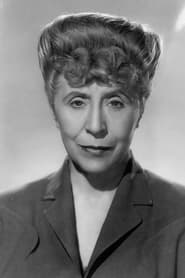
Blanche Yurka
Actor
Born: June 19, 1887 in St. Paul, Minnesota, United States Died: June 6, 1986 Active: 1910-1960
Films
1 film
About Blanche Yurka
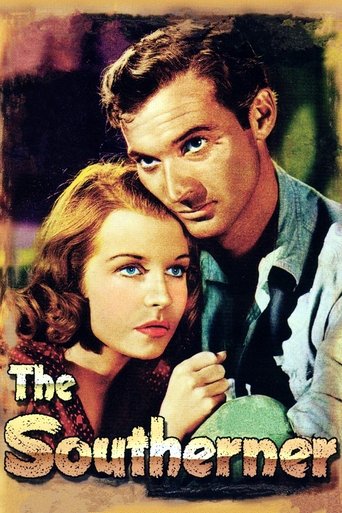
American actress of Czech descent who achieved acclaim both on Broadway and in Hollywood films. Born in 1887, she began her career on the stage, becoming a prominent Broadway performer during the 1910s and 1920s, known for her powerful dramatic performances and commanding stage presence. Yurka made a successful transition to film in the 1930s and 1940s, bringing her theatrical gravitas to the silver screen. Her most memorable film role came in 1945's 'The Southerner,' where she played the formidable Granny Tucker, a performance that showcased her ability to portray complex, strong-willed characters. Throughout her career, she appeared in numerous films including 'The Song of Bernadette' (1943) and 'The Keys of the Kingdom' (1944), often playing maternal or authoritative figures. Yurka continued acting well into her later years, appearing in television productions in the 1950s and 1960s. She was respected for her versatility and depth as an actress, successfully bridging the worlds of classical theater and cinema. Her over five decades, making her one of the enduring figures of American performing arts.
The Craft
On Screen
Blanche Yurka was known for her powerful, authoritative acting style rooted in classical theater training. She brought a commanding presence to her roles, whether on stage or screen, with a particular talent for portraying strong, complex matriarchal figures. Her performances were characterized by emotional depth, precise diction, and an ability to convey both strength and vulnerability. Yurka's theatrical background gave her a distinctive gravitas that translated well to film, where she often played characters of wisdom and authority.
Milestones
- Broadway debut in 'The Great Adventure' (1912)
- Critically acclaimed performance in 'The Little Clay Cart' (1924)
- Film debut in 'The Story of Vernon and Irene Castle' (1939)
- Memorable role as Granny Tucker in 'The Southerner' (1945)
- Stage success in 'The Mother' (1935) and 'The Little Foxes' (1939)
- Television appearances in the 1950s including 'Studio One'
Best Known For
Iconic Roles
Must-See Films
Accolades
Won
- New York Drama Critics Circle Award for Best Supporting Actress (1935)
Nominated
- Academy Award nomination for Best Supporting Actress consideration for 'The Southerner' (unofficial)
Special Recognition
- Inducted into the American Theatre Hall of Fame
- Honored by the Czechoslovakian community for cultural contributions
Working Relationships
Worked Often With
Studios
Why They Matter
Impact on Culture
Blanche Yurka made significant contributions to both American theater and cinema, helping to bridge the gap between classical stage acting and the emerging naturalism of film. Her success as a Czech-American actress in early Hollywood helped pave the way for greater diversity in casting. Yurka's portrayal of strong, complex women challenged the often one-dimensional female roles of her era. Her work in 'The Southerner' particularly demonstrated how older actresses could bring depth and authenticity to supporting roles, influencing how Hollywood approached character casting. She represented the transition from theatrical to cinematic acting styles, maintaining the gravitas of stage performance while adapting to the intimacy of film.
Lasting Legacy
Blanche Yurka's legacy endures through her memorable performances and her influence on American acting techniques. She is remembered as one of the character actresses of Hollywood's Golden Age, bringing theatrical legitimacy to film roles. Her performances continue to be studied by acting students as examples of how to blend classical technique with cinematic naturalism. Yurka's career demonstrated the possibilities for actresses who didn't fit the conventional leading lady mold, showing that character roles could be both artistically fulfilling and critically acclaimed. Her longevity in the business, spanning from the silent era through television's golden age, shows her talent and adaptability.
Who They Inspired
Yurka influenced generations of character actresses through her example of bringing theatrical gravitas to film roles. Her technique of combining classical training with cinematic naturalism became a model for actors transitioning from stage to screen. Younger actresses studying her work learned how to create memorable supporting characters that could steal scenes from leads. Her success in portraying strong maternal figures helped expand the range of roles available to actresses over forty in Hollywood. Many contemporary character actresses cite her as an inspiration for maintaining dignity and depth in supporting roles.
Off Screen
Private individual who maintained a separation between her public persona and personal life. She never married and had no children, dedicating her life entirely to her craft and art. Yurka was known to be deeply intellectual and well-read, with interests in philosophy, literature, and politics. She was an active supporter of various social causes throughout her life and maintained close friendships within the artistic community. In her later years, she lived quietly in New York City, occasionally appearing in interviews to discuss her career.
Education
Educated in St. Paul, Minnesota; later studied dramatic arts in New York City with prominent acting teachers of the early 20th century
Did You Know?
- Was born to Czech immigrant parents and maintained strong connections to her Czech heritage throughout her life
- Made her Broadway debut in 1912 and continued performing on stage well into her film career
- Was a founding member of the influential Group Theatre in the 1930s
- Spoke fluent Czech and often helped translate Czech plays for American productions
- Her role in 'The Southerner' was written specifically for her by director Jean Renoir
- Was considered for the role of Melanie in 'Gone with the Wind' but turned it down
- Taught acting classes in New York during breaks from her performing career
- Was an accomplished painter and had several exhibitions of her artwork
- Lived to be 98 years old, one of the longest-lived actresses from Hollywood's Golden Age
- Never retired officially, continuing to accept roles well into her 70s
In Their Own Words
The stage is my first love, but film has its own magic - the camera sees what the heart feels.
Every character, no matter how small, deserves the truth of your entire being.
Acting is not about becoming someone else, but about finding the part of yourself that connects to the character.
Frequently Asked Questions
Who was Blanche Yurka?
American actress of Czech descent who had a successful career spanning over five decades in both theater and film. She was particularly known for her powerful performances in character roles, especially as strong maternal figures in classic Hollywood films of the 1930s and 1940s.
What films is Blanche Yurka best known for?
Titles linked here include The Southerner (1945), The Song of Bernadette (1943).
When was Blanche Yurka born and when did she die?
Born June 19, 1887; died June 6, 1986.
What awards did Blanche Yurka win?
Blanche Yurka won the New York Drama Critics Circle Award for Best Supporting Actress in 1935 for her stage work. While she received critical acclaim for her film performances, particularly in 'The Southerner,' she did not receive major film awards but was recognized for her contributions to American theater.
What was Blanche Yurka's acting style?
Blanche Yurka's acting style was characterized by its theatrical gravitas and emotional depth, rooted in classical stage training. She brought a commanding presence to her roles, with precise diction and an ability to portray complex, strong-willed characters, particularly matriarchal figures.
Did Blanche Yurka work primarily in film or theater?
Blanche Yurka had a career in both theater and film, though she began primarily as a stage actress. She was a prominent Broadway performer in the 1910s and 1920s before transitioning to film in the 1930s, successfully bridging both mediums throughout her career.
What was Blanche Yurka's heritage?
Blanche Yurka was of Czech descent, born to Czech immigrant parents in Minnesota. She maintained strong connections to her Czech heritage throughout her life, speaking fluent Czech and often helping to translate Czech plays for American productions.