Films
2 films
About Benjamin Stoloff
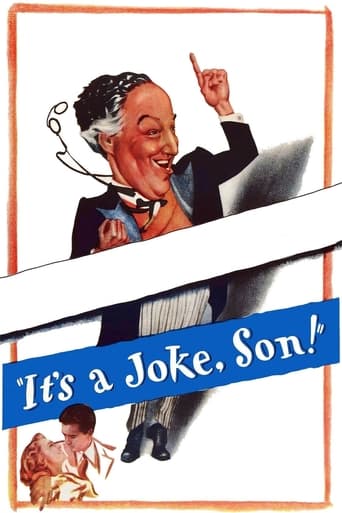
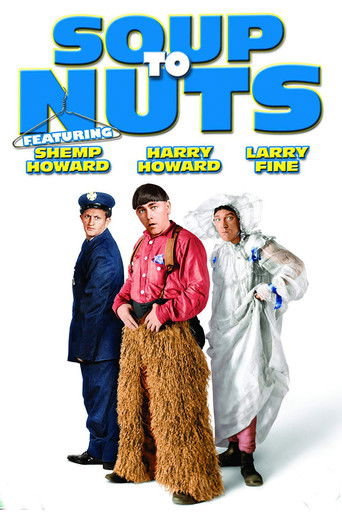
American film director who worked across the transitional period from the early sound era into the postwar years, a career that placed him firmly within classic Hollywood comedy and studio filmmaking. He is best remembered for directing light, fast-moving pictures that relied on comic timing, ensemble interaction, and the energetic pacing common to early talkies. Stoloff came to prominence in the 1930s, directing studio comedies and programmer features for major companies including Fox and later Columbia, where directors were often expected to work efficiently within established commercial formulas. His best-known credit is often Soup to Nuts (1930), an early sound comedy notable for featuring the Three Stooges in one of their first screen appearances before they became famous at Columbia. He later continued directing through the 1940s, including It's a Joke, Son! (1947), demonstrating the durable place of comedy and B-picture craftsmanship in his filmography. While not a major auteur in the later critical sense, Stoloff — important working director whose career illustrates how studio-era Hollywood depended on reliable craftsmen to deliver polished genre entertainment. He died in 1960, leaving behind a body of work that is remembered especially by fans of early sound comedy and studio-era programmers.
The Craft
Behind the Camera
Stoloff's directing style is best characterized by efficiency, clarity, and a strong emphasis on pace, especially in comedy. Working within the studio system, he generally favored straightforward storytelling, brisk scene construction, and practical staging that supported dialogue and gag delivery. His films fit the programmer tradition: economical productions designed to entertain without stylistic excess, relying on timing, performance rhythm, and accessible plotting. In the early sound era, this kind of direction was especially important because filmmakers were still adapting to the demands of recorded dialogue and microphone placement. His work suggests a craftsman’s approach rather than a flamboyant visual signature, with the emphasis on keeping stories moving and performances readable.
Milestones
- Directed Soup to Nuts (1930), an early sound comedy now remembered for featuring one of the first film appearances associated with the Three Stooges
- Worked steadily in Hollywood during the 1930s and 1940s as a reliable studio director of comedies and programmers
- Directed It's a Joke, Son! (1947), one of the later titles that marks the end of his screen career
- Built a career in the classic studio system, where directors were often tasked with delivering efficient, audience-friendly entertainment
- Contributed to the development and refinement of early talking-picture comedy timing and ensemble staging
Best Known For
Must-See Films
Working Relationships
Worked Often With
Studios
Why They Matter
Impact on Culture
Benjamin Stoloff's cultural impact lies less in auteurist distinction than in his role as a competent architect of early sound comedy within the Hollywood studio system. Soup to Nuts has particular historical interest because of its association with the pre-Stooges period, making Stoloff part of the screen history surrounding one of comedy's most enduring groups. His work reflects the transitional moment when silent-era visual comedy had to be rethought for synchronized sound, and directors like Stoloff helped normalize the new conventions of talkie pacing, dialogue handling, and ensemble comic structure. For modern historians, his films serve as examples of how middle-tier studio directors sustained the commercial ecology of Golden Age Hollywood. He contributed to the broad audience culture of the era by helping turn modest productions into polished theatrical entertainment.
Lasting Legacy
Stoloff's legacy is that of a dependable Hollywood craftsman whose name endures primarily through film scholarship, classic-comedy fandom, and historical interest in early sound cinema. He is especially remembered by viewers interested in the origins of the Three Stooges on film and in the studio comedies of the 1930s and 1940s. Though he did not become a household-name director, his career is representative of the many directors whose work kept the studio system functioning at every budget level. In film history, that makes him valuable as part of the professional backbone of classic cinema. His surviving credits remain useful for understanding the evolution of comedy filmmaking during the first decades of the sound era.
Who They Inspired
Stoloff's influence is indirect but real: he worked in a period when directors established the practical grammar of sound comedy, and that grammar shaped later film and television humor. By directing early vehicle comedies and ensemble pictures, he helped define the rhythm and presentation style that audiences came to expect from studio-made comic entertainment. His work also forms part of the screen history of the Three Stooges, whose subsequent popularity would influence generations of slapstick performers. For later filmmakers studying studio-era craft, his films illustrate how pacing, blocking, and performance management were used to support jokes without visual flamboyance. His influence is therefore best understood as institutional and stylistic rather than personal celebrity.
Off Screen
Publicly available information about Benjamin Stoloff's private life is limited in standard film reference sources, and he is primarily documented through his studio credits rather than extensive biographical coverage. No widely cited details about marriages, children, or family life are readily available from the sources commonly used for classic Hollywood personnel. As with many behind-the-camera figures of the studio era, his professional work is much better documented than his personal circumstances. The surviving record suggests a career centered on steady employment within the film industry rather than celebrity or public notoriety.
Did You Know?
- Soup to Nuts (1930) is notable in film history because it is associated with one of the earliest screen appearances of the Three Stooges.
- Stoloff worked during the transition from silent films to fully established talking pictures, a period that demanded new directing skills.
- His career fits the classic studio-model director: practical, efficient, and often working on modestly budgeted productions.
- He remained active well into the 1940s, showing longevity in a highly competitive industry.
- He is remembered more by historians and comedy fans than by the general public, which is common for many studio-era directors.
- His filmography reflects the importance of programmers and B-movies in sustaining Hollywood's release schedules.
- He directed both early- and mid-century comedies, indicating adaptability across changing audience tastes.
- Because documentation on his private life is sparse, he is one of many classic-era filmmakers known primarily through their screen credits.
Frequently Asked Questions
Who was Benjamin Stoloff?
American on YTB.my. He is best known for directing studio comedies and programmer features, including Soup to Nuts (1930) and It's a Joke, Son! (1947).
What films is Benjamin Stoloff best known for?
Titles linked here include Soup to Nuts (1930), It's a Joke, Son! (1947).
When was Benjamin Stoloff born and when did he die?
Born birth date not listed; died 1960.
What awards did Benjamin Stoloff win?
No major awards or nominations are widely documented for Benjamin Stoloff in the standard historical record. Like many studio-era directors of programmer features, his career is remembered more for dependable craftsmanship than for formal awards recognition.
What was Benjamin Stoloff's directing style?
His directing style was practical and efficient, with an emphasis on pacing, clear storytelling, and comic timing. He worked in the studio system tradition, where directors often had to deliver polished entertainment quickly and reliably rather than develop a highly personal visual signature.
What is Benjamin Stoloff's legacy in film history?
His legacy is tied to the early development of sound comedy and to the dependable craft of the Hollywood studio system. He remains of interest to film historians and classic-comedy fans, especially because of his connection to Soup to Nuts and the early screen history of the Three Stooges.