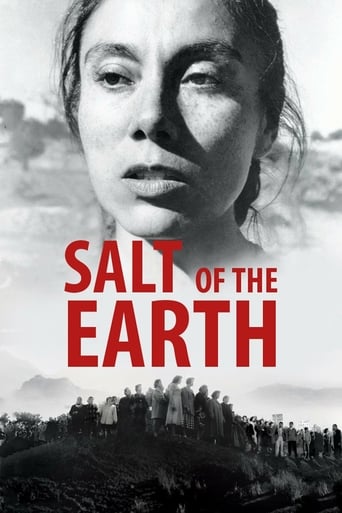
Films
1 film
About Mervin Williams
American miner who became an actor through his participation in the 1954 film 'Salt of the Earth.' As one of the actual miners involved in the real-life Empire Zinc strike that inspired the film, Williams brought authentic experience to his role. His appearance in the film marked his only known acting credit, representing the film's unique approach of casting actual participants rather than professional actors. The film, directed by blacklisted filmmaker Herbert Biberman, was controversial for its pro-labor union stance during the McCarthy era. Williams, like many of his fellow cast members, faced potential repercussions for participating in what was considered a subversive production. His brief but significant contribution to cinema history exemplifies how ordinary working people became part of politically charged films of the 1950s.
The Craft
On Screen
Naturalistic and authentic, drawing from real-life experiences as a miner during the actual strike depicted in the film
Milestones
- Appeared in the controversial film 'Salt of the Earth' (1954)
- Participated as both historical figure and actor in the film depicting the Empire Zinc strike
- Became part of cinema history through his involvement in
Best Known For
Iconic Roles
Must-See Films
Working Relationships
Worked Often With
Studios
Why They Matter
Impact on Culture
Mervin Williams contributed to. The film's use of actual participants like Williams created an unprecedented level of authenticity in social issue filmmaking. His participation helped document a real labor struggle while simultaneously creating a work of art that would influence generations of socially conscious filmmakers. The film's preservation in the National Film Registry acknowledges the historical importance of contributions from non-professional actors like Williams.
Lasting Legacy
Though his filmography consists of only one film, Mervin Williams' legacy is tied to the enduring impact of 'Salt of the Earth' as a landmark in both cinema history and labor history. His authentic performance as a miner during the strike helped establish a new standard for realism in political filmmaking. The film's eventual rehabilitation and recognition as a classic ensures that Williams' contribution to cinema will be remembered alongside those of the professional filmmakers who created it. His story exemplifies how ordinary working people can become part of cultural history through their participation in significant artistic and social movements.
Who They Inspired
As a non-professional actor who brought authentic experience to his role, Mervin Williams influenced the approach to casting in social issue films, demonstrating the power of using real participants to tell their own stories. His naturalistic performance style, derived from lived experience rather than training, contributed to the film's lasting impact on documentary and neorealist filmmaking traditions. The authenticity he and other actual miners brought to the production has been cited as an influence by later generations of filmmakers seeking to blend documentary realism with narrative cinema.
Off Screen
Zinc miner in Grant County, New Mexico, who participated in the 1950-1951 Empire Zinc strike that became the subject of 'Salt of the Earth.' Like many of his fellow miners, he faced economic hardship and discrimination during the strike, which was notable for the significant role played by women in maintaining the picket lines. His decision to appear in the film represented both a continuation of his activism and a risk during the anti-communist fervor of the 1950s.
Did You Know?
- 'Salt of the Earth' was the only American film blacklisted during the McCarthy era
- The film was written by Michael Wilson, who was also blacklisted and had to use a pseudonym
- Many of the film's cast and crew were investigated by the House Un-American Activities Committee
- The film was shot on location in Grant County, New Mexico, where the actual strike occurred
- The production faced constant harassment from local authorities and anti-communist groups
- The film was not shown widely in the United States until years after its release
- The film was preserved in the National Film Registry in 1993 for its cultural significance
- The actual Empire Zinc strike lasted 15 months, from 1950 to 1951
- The film was financed by the International Union of Mine, Mill and Smelter Workers
- Many cast members, including Williams, were actual participants in the real strike
Frequently Asked Questions
Who was Mervin Williams?
American zinc miner who appeared as an with credits in this catalog.' He was one of the actual participants in the Empire Zinc strike that the film depicts, bringing authentic experience to his role in this controversial production.
What films is Mervin Williams best known for?
Titles linked here include Salt of the Earth (1954).
When was Mervin Williams born and when did he die?
Specific birth and death dates for Mervin Williams are not documented in available historical records, as he was a non-professional actor whose primary identity was as a working miner rather than a public figure.
What awards did Mervin Williams win?
Mervin Williams did not receive individual awards or nominations for his work in 'Salt of the Earth.' However, the film itself has been recognized with preservation in the National Film Registry and is now considered a classic of independent cinema.
What was Mervin Williams' acting style?
Williams' acting style was naturalistic and authentic, drawing directly from his real experiences as a miner during the actual Empire Zinc strike. His performance exemplified the film's innovative approach of casting actual participants rather than professional actors.
Why was 'Salt of the Earth' controversial?
The film was controversial during the McCarthy era for its pro-union stance and depiction of class struggle, leading to accusations of communist propaganda. The production was investigated by the House Un-American Activities Committee, and the film was effectively blacklisted in the United States for years.
How did Mervin Williams get involved in filmmaking?
Williams became involved in filmmaking through his participation in the real Empire Zinc strike that inspired 'Salt of the Earth.' Director Herbert Biberman and the producers chose to cast actual miners and their families rather than professional actors to ensure authenticity.