Artie Shaw
Actor
Born: May 23, 1910 in New York City, New York, USA Died: December 30, 2004 Active: 1936-1954 (music), 1940 (film) Birth Name: Arthur Jacob Arshawsky
Films
1 film
About Artie Shaw
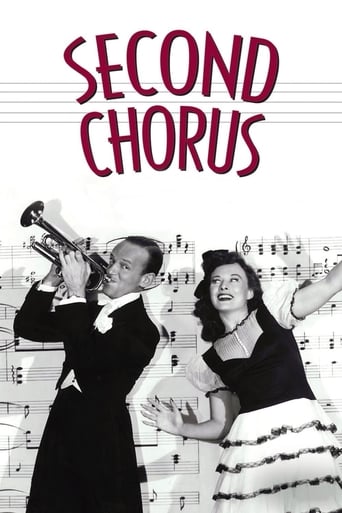
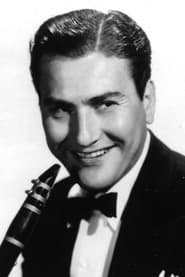
Artie Shaw, born Arthur Jacob Arshawsky, was jazz clarinetists and bandleaders of the Swing Era, though he briefly ventured into acting during the height of his musical fame. Rising to prominence in the late 1930s, Shaw's orchestra became known for its sophisticated arrangements and his virtuosic clarinet playing, producing timeless hits like 'Begin the Beguine' and 'Frenesi.' His foray into cinema was brief but notable, culminating in his starring role alongside Fred Astaire in the 1940 musical 'Second Chorus,' where he essentially played himself as a bandleader. Despite his natural screen presence, Shaw found the film industry frustrating and returned to his first love - music - after this brief cinematic excursion. Throughout his career, he was known for his intellectual approach to jazz, constantly pushing musical boundaries and experimenting with different styles, from traditional swing to incorporating classical elements. Shaw's later years were marked by his retirement from music, writing several books, and becoming a reclusive figure who rarely gave interviews, cementing his legacy as one of jazz's most enigmatic and talented figures.
The Craft
On Screen
Natural and understated, essentially playing himself on screen with minimal acting training but possessing a natural charisma that translated well to film
Milestones
- Formed his first orchestra in 1936
- Recorded 'Begin the Beguine' which became a massive hit in 1938
- Starred in 'Second Chorus' (1940) with Fred Astaire
- His orchestra was
- Retired from music multiple times, finally in 1954
- Published his autobiography 'The Trouble With Cinderella' in 1952
Best Known For
Iconic Roles
Must-See Films
Accolades
Won
- Inducted into the Big Band and Jazz Hall of Fame (1978)
- Grammy Lifetime Achievement Award (2004)
Nominated
- Academy Award nomination for Best Original Song for 'Love of My Life' from Second Chorus (1940)
Special Recognition
- Hollywood Walk of Fame star (1986)
- Down Beat Jazz Hall of Fame
- International Academy of Jazz Hall of Fame
Working Relationships
Worked Often With
Studios
Why They Matter
Impact on Culture
Artie Shaw's impact on American culture extended far beyond his brief film career. As one of the leading figures of the Swing Era, he helped define the sound of 1930s and 1940s America, with 'Begin the Beguine' becoming an anthem of the age. His appearance in 'Second Chorus' represented the intersection of Hollywood glamour and the jazz world, bringing swing music to mainstream cinema audiences. Shaw was also notable for integrating his orchestra, hiring Billie Holiday in 1938, making him one of the first white bandleaders to employ a Black female vocalist full-time. His intellectual approach to jazz and constant musical innovation influenced countless musicians and helped elevate jazz from dance music to a legitimate art form.
Lasting Legacy
Artie Shaw's legacy is primarily that of a musical innovator who pushed the boundaries of jazz and swing music, though his film work remains an interesting footnote in Hollywood history. His recordings continue to be celebrated for their technical brilliance and artistic sophistication. Shaw's influence extends to generations of clarinetists and bandleaders who studied his technique and arrangements. His autobiography and later writings revealed him as a thoughtful, complex artist who was never satisfied with commercial success alone. Despite his relatively brief film career, 'Second Chorus' serves as a time capsule of the Swing Era's peak, capturing Shaw at the height of his fame.
Who They Inspired
Shaw influenced countless musicians through his technical mastery of the clarinet and innovative arrangements. His approach to integrating classical elements into jazz was groundbreaking. Many of his orchestra members went on to become jazz legends in their own right. His willingness to break racial barriers in hiring musicians influenced the industry's slow progress toward integration. His intellectual approach to music inspired later jazz artists to view their work as serious art rather than mere entertainment.
Off Screen
Artie Shaw was famously married eight times to high-profile women including actresses Lana Turner and Ava Gardner, and author Evelyn Keyes. He was known for his intellectual pursuits and reclusive nature in his later years. Shaw had two sons, Steven and Jonathan, and struggled with depression throughout his life. In his final decades, he lived in Newbury Park, California, becoming increasingly reclusive while continuing to write and pursue his interest in marksmanship.
Education
Left school early to pursue music, largely self-taught clarinetist with some formal training
Family
- Jane Cairns (1932-1933)
- Margaret Allen (1935-1937)
- Jerome Kern's ex-wife Elizabeth Kern (1937-1939)
- Lana Turner (1940-1940)
- Ava Gardner (1945-1946)
- Betty Kern (1947-1948)
- Doris Dowling (1952-1956)
- Evelyn Keyes (1957-1985)
Did You Know?
- Avid reader and intellectual who owned over 15,000 books
- He was an expert marksman who won several shooting competitions
- Shaw retired from music multiple times, once at the height of his fame in 1939
- His recording of 'Begin the Beguine' sold over 5 million copies
- He was a licensed pilot and flew his own plane to concerts
- Shaw refused to play at segregated venues during the Jim Crow era
- He was a left-wing political activist and was investigated by the FBI
- His band was the first to perform at Carnegie Hall
- He turned down conducting the Boston Pops Orchestra
- Shaw invented a mechanical milk dispenser for cows
In Their Own Words
Jazz was born out of the Negro experience in America and that's the only place it can really be born
I'm not a musician. I'm a human being who happens to play music
The trouble with Cinderella is that she never would have gotten to the ball if she'd waited for an invitation
I don't want people to love me. I want them to listen to my music
I'd rather be a failure at something I love than a success at something I hate
Frequently Asked Questions
Who was Artie Shaw?
Legendary jazz clarinetist and bandleader of the Swing Era who briefly appeared in films, most notably 'Second Chorus' (1940). While primarily known for his musical innovations and hit recordings like 'Begin the Beguine,' he had a brief but memorable acting career playing himself in Hollywood musicals.
What films is Artie Shaw best known for?
Titles linked here include Second Chorus (1940).
When was Artie Shaw born and when did he die?
Born May 23, 1910; died December 30, 2004.
What awards did Artie Shaw win?
Artie Shaw received numerous honors including a Grammy Lifetime Achievement Award in 2004, induction into the Big Band and Jazz Hall of Fame, and a star on the Hollywood Walk of Fame. He also received an Academy Award nomination for Best Original Song for 'Love of My Life' from 'Second Chorus'.
What was Artie Shaw's musical style?
Shaw's style was characterized by technical virtuosity on the clarinet, sophisticated arrangements, and an intellectual approach to jazz. He was known for incorporating classical elements into swing music and constantly pushing musical boundaries, making his orchestra.