Films
1 film
About Hugh Feagin
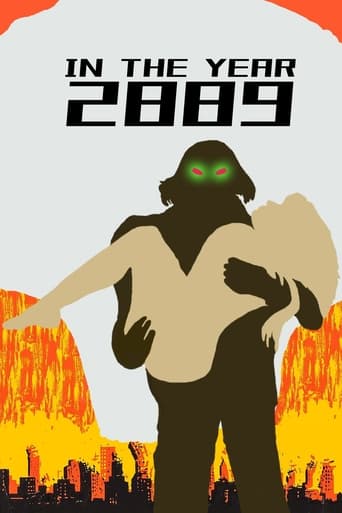
This archive lists one role for Hugh Feagin: In the Year 2889 (1967). Feagin played the character of the Captain, a role that, while not extensive, placed him within the narrative of a story about survivors navigating a world devastated by nuclear war. His involvement in this project aligns with the era's trend of utilizing local talent for regional film productions, a common practice in the 1960s for filmmakers like Buchanan who operated outside the major Hollywood studio system. Beyond this single credited role, there is scant documentation of Feagin's other acting work, suggesting that his participation in 'In the Year 2889' may have been either a one-time foray into film or part of a career primarily based in other mediums such as theater or television that remain less well-documented. The film itself has since gained a cult following among fans of B-movies and 1960s sci-fi, ensuring that Feagin's performance, however brief, is preserved as part of a unique niche in film history.
The Craft
Milestones
- Appeared as 'The Captain' in the Larry Buchanan-directed science fiction film 'In the Year 2889' (1967).
Best Known For
Iconic Roles
Must-See Films
Working Relationships
Worked Often With
Why They Matter
Impact on Culture
Hugh Feagin's cultural impact is intrinsically tied to his role in 'In the Year 2889,' a film that has become a cult classic within the realm of 1960s B-movie science fiction. While his individual contribution was small, he is part of the fabric of a film that represents a specific era of low-budget, regional filmmaking. The movie itself is often studied and remembered for its place in the career of director Larry Buchanan and as an example of the drive-in movie culture of the 1960s. Feagin, as a participant, contributes to the authentic texture of these productions, which often relied on local actors rather than established stars. His presence helps illustrate the ecosystem of independent filmmaking that existed alongside the Hollywood studio system, showcasing a different path for actors and creators.
Lasting Legacy
The legacy of Hugh Feagin is that of a representative figure of the countless working actors who populate the margins of film history. He is not remembered for a star-making turn or a revolutionary performance, but rather for being a component of a film that has endured as a piece of cult cinema. His legacy serves as a reminder that film history is composed not just of its most famous names, but also of the many individuals who contributed to the creation of even the most modest productions. For fans of 'In the Year 2889,' he is a recognizable and integral part of the movie's charm and appeal. His story highlights the transient nature of some acting careers and the way a single role can secure a minor, permanent place in cinematic history.
Who They Inspired
Given the limited scope of his documented career, Hugh Feagin's direct influence on other actors or directors is not readily apparent. His influence is more contextual, serving as an example of the journeyman actor who supports the narrative of independent and low-budget films. He exemplifies the type of performer who brought professionalism and credibility to productions that often lacked the resources of major studio films. His work, preserved in 'In the Year 2889,' offers a glimpse into the acting style and production values of its time for future generations of film enthusiasts and historians.
Off Screen
Very little is publicly documented about the personal life of Hugh Feagin. His brief filmography suggests that acting may not have been his primary profession, or that his career was concentrated in mediums or productions that are not widely archived. The lack of further credits or public records makes it difficult to construct a detailed picture of his life outside of his single known film role.
Did You Know?
- His only known film credit is for the 1967 movie 'In the Year 2889'.
- The film 'In the Year 2889' was directed by prolific B-movie filmmaker Larry Buchanan.
- The film was a low-budget remake of Roger Corman's 1955 film 'The Day the World Ended'.
- Hugh Feagin played the character 'The Captain' in the film.
- The movie was shot in color, a notable feature for a low-budget production of its type at the time.
- Despite being an American production, the film was released in some international markets under the title 'Year 2889'.
- His co-star in the film, Paul Petersen, was a well-known former child actor from 'The Donna Reed Show'.
- The film has since become a cult favorite, frequently aired on late-night television and featured in B-movie marathons.
Frequently Asked Questions
Who was Hugh Feagin?
American with credits in this catalog. His career in film appears to have been limited to this single, notable credit.
What films is Hugh Feagin best known for?
Titles linked here include In the Year 2889 (1967).
When was Hugh Feagin born and when did he die?
Specific details regarding Hugh Feagin's birth and death dates, as well as his place of birth, are not publicly available in standard film databases or biographical resources.
What awards did Hugh Feagin win?
There are no records of Hugh Feagin receiving any major film industry awards or nominations for his acting work.
What was Hugh Feagin's acting style?
Given the limited documentation of his career, it is difficult to define a specific acting style for Hugh Feagin. His performance in 'In the Year 2889' was typical of the professional, straightforward acting found in many low-budget genre films of the 1960s.