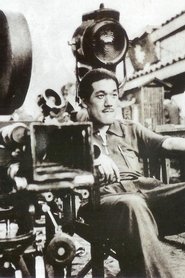
Sadao Yamanaka
Director
Born: November 7, 1909 in Tokyo, Japan Died: August 17, 1938 Active: 1932-1938
Films
1 film
About Sadao Yamanaka
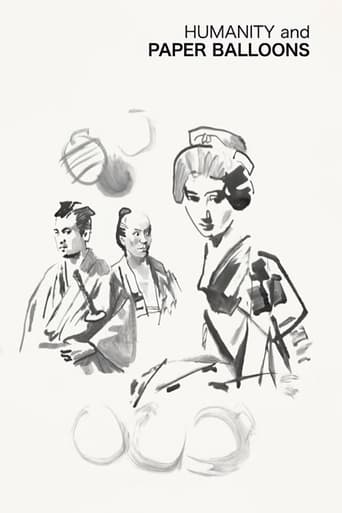
Japanese film director: brief but brilliant the early 1930s until his untimely death in 1938. After joining the Makino Film Productions in 1927 as an assistant director, he quickly rose through the ranks and made his directorial debut in 1932. Yamanaka became renowned for his sophisticated jidaigeki (period dramas) that subverted genre conventions by focusing on the lives of ordinary people rather than samurai heroes. His films were characterized by their humanistic approach, social commentary, and innovative visual style that influenced generations of Japanese filmmakers. Despite directing only 22 films (many now lost), Yamanaka established himself as one of Japan's most talented directors of the 1930s. His career was cut tragically short when he was drafted into the Japanese army and died of dysentery in Manchuria at age 28, just months after completing his masterpiece 'Humanity and Paper Balloons.' His legacy excelled in cinematic storytelling continues to be celebrated by film scholars and directors worldwide.
The Craft
Behind the Camera
Yamanaka's directing style was characterized by a unique blend of humanism and social realism within the jidaigeki framework. He rejected the glorification of samurai and instead focused on the struggles of common people, using long takes, naturalistic performances, and subtle visual compositions. His films often featured ensemble casts with carefully choreographed group scenes that resembled theatrical productions. Yamanaka employed innovative camera techniques for his time, including deep focus and mobile camera work, while maintaining a poetic and melancholic tone throughout his work.
Milestones
- Directorial debut with 'Dancing Village' (1932)
- Critical success with 'The Million Ryo Pot' (1935)
- Collaboration with actor Chiezo Kataoka
- Creation of 'Humanity and Paper Balloons' (1937) as his final masterpiece
- Posthumous recognition as one of Japan's greatest directors
- Influence on the Japanese New Wave movement
Best Known For
Must-See Films
Accolades
Special Recognition
- Posthumous recognition by Japanese film historians as one of cinema's lost masters
- Inclusion in the Criterion Collection with restored prints
- Regular screening at international film festivals as part of Japanese cinema retrospectives
Working Relationships
Worked Often With
Studios
Why They Matter
Impact on Culture
Sadao Yamanaka's cultural impact extends far beyond his brief career and limited filmography. He revolutionized the jidaigeki genre by shifting focus from noble samurai to the struggles of ordinary citizens, thereby humanizing historical narratives and making them more relatable to contemporary audiences. His films provided subtle critiques of social hierarchy and economic inequality during Japan's militaristic period, demonstrating remarkable courage and artistic integrity. Yamanaka's work helped establish a more realistic and socially conscious approach to Japanese cinema that would influence subsequent generations of filmmakers. His tragic death at age 28 created what film historians call 'one of cinema's greatest what-ifs,' as many believe he could have become one of Japan's most important directors alongside Kurosawa and Ozu.
Lasting Legacy
Yamanaka's legacy as a master filmmaker has grown exponentially in the decades following his death, despite the loss of many of his films. 'Humanity and Paper Balloons' is now regarded as one of the greatest Japanese films ever made, regularly appearing in critics' polls and being preserved in the Criterion Collection. His innovative approach to period drama influenced the Japanese New Wave directors of the 1950s and 1960s, who admired his humanistic perspective and technical mastery. Film scholars continue to study his work as an example of how artistic vision can transcend commercial constraints and political pressures. The annual Yamanaka Sadao Award was established in his honor to recognize emerging directors who demonstrate similar artistic courage and innovation.
Who They Inspired
Yamanaka's influence on cinema is particularly remarkable given his short career. Akira Kurosawa cited him as a major influence, particularly praising his ability to blend entertainment with social commentary. His ensemble directing techniques and use of long takes prefigured the work of later masters like Kenji Mizoguchi and Yasujiro Ozu. International directors including Martin Scorsese and Jim Jarmusch have expressed admiration for his work, with Scorsese including 'Humanity and Paper Balloons' in his personal collection of essential films. His approach to historical drama influenced not only Japanese cinema but also global perceptions of how period films can address contemporary social issues.
Off Screen
Yamanaka married actress Fujiko Yamamoto in 1936, and their marriage was cut short by his military service and subsequent death. He was known among colleagues for his intellectual approach to filmmaking and his dedication to artistic integrity over commercial success. Despite his young age, Yamanaka was respected as a mentor figure by younger directors and was part of a group of innovative filmmakers who sought to elevate Japanese cinema beyond mere entertainment.
Education
Attended Keio University but left before graduating to pursue a career in film
Family
- Fujiko Yamamoto (1936-1938)
Did You Know?
- Only 3 of his 22 films survive in complete form today
- Died of dysentery while serving in the Japanese army in Manchuria at age 28
- Was part of a group of young directors called 'Naritaki Group' who met at a bar near the Naritaki Temple
- His final film 'Humanity and Paper Balloons' was banned by Japanese military censors
- Akira Kurosawa worked as an assistant on several of Yamanaka's films
- His films were known for their unusually long takes, some lasting several minutes
- Despite his short career, he directed more films than many established directors of his era
- His wife Fujiko Yamamoto retired from acting after his death
- The restoration of his surviving films took decades due to poor storage conditions during WWII
- Contemporary critics called him 'the Japanese Chaplin' for his blend of comedy and social commentary
In Their Own Words
A film should not just show life, but reveal the truth hidden within it
The samurai sword is not as interesting as the farmer's rice bowl
I want to make films that speak to the heart of the common person
Every frame must contain both poetry and reality
The greatest drama is found in the lives of ordinary people
Frequently Asked Questions
Who was Sadao Yamanaka?
Brilliant Japanese on YTB.my. Despite directing only 22 films before his death at age 28, he is considered one of Japan's greatest cinematic masters, known for his humanistic approach and social commentary within historical settings.
What films is Sadao Yamanaka best known for?
Titles linked here include Humanity and Paper Balloons (1937), The Million Ryo Pot (1935).
When was Sadao Yamanaka born and when did he die?
Born November 7, 1909; died August 17, 1938.
What awards did Sadao Yamanaka win?
Yamanaka did not receive major awards during his lifetime due to his early death and the controversial nature of his work. However, he has received significant posthumous recognition, including the establishment of the Yamanaka Sadao Award in his honor and inclusion of his films in the Criterion Collection.
What was Sadao Yamanaka's directing style?
Yamanaka's directing style combined humanistic storytelling with social realism, focusing on ordinary people rather than heroic samurai. He used long takes, naturalistic performances, and ensemble casts to create poetic yet realistic portrayals of historical life, often incorporating subtle social commentary about class and injustice.