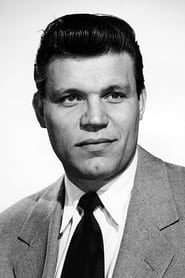
Neville Brand
Actor
Born: August 13, 1920 in Griswold, Iowa, USA Died: May 16, 1992 Active: 1950-1985
Films
2 films
About Neville Brand
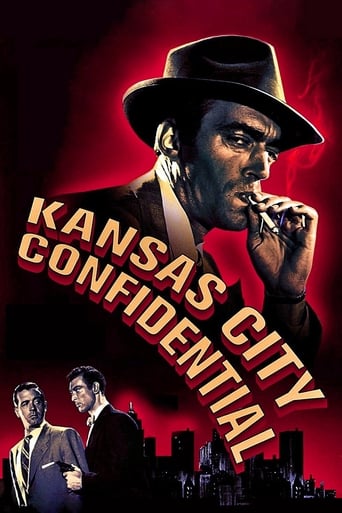
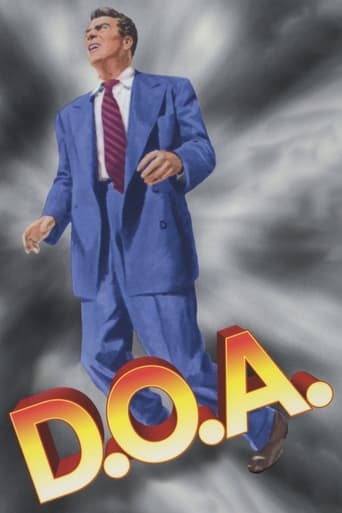
American actor: imposing presence and gravelly voice made him one of Hollywood's most recognizable character actors and villains. Born in Iowa and raised in Texas, Brand's life took a dramatic turn when he enlisted in the U.S. Army during World War II, becoming decorated soldiers of the conflict with numerous medals including the Silver Star and Purple Heart. After the war, he used his GI Bill benefits to study acting at the University of Southern California, which led to his film debut in the noir classic D.O.A. (1950). His breakthrough role came as the sadistic POW camp guard in Stalag 17 (1953), which earned him critical acclaim and an Academy Award nomination for Best Supporting Actor. Throughout the 1950s and 1960s, Brand became typecast as villains and tough guys in films like Kansas City Confidential (1952), Riot in Cell Block 11 (1954), and The Bridges at Toko-Ri (1954). He successfully transitioned to television in the 1960s, starring as Reese Bennet in the popular Western series Laredo (1965-1967). Despite being typecast, Brand brought depth and humanity to even his most villainous roles, drawing on his wartime experiences to create authentic, complex characters that resonated with audiences.
The Craft
On Screen
Brand was known for his intimidating physical presence, gravelly voice, and intense, brooding demeanor. He brought authenticity to his tough-guy roles through his military background and natural ability to convey menace and vulnerability simultaneously. His acting technique relied heavily on subtle facial expressions and body language rather than elaborate dialogue, often creating complex antagonists who were more than one-dimensional villains.
Milestones
- Film debut in D.O.A. (1950)
- Academy Award nomination for Stalag 17 (1953)
- Star role in Laredo TV series (1965-1967)
- Over 150 film and television appearances
- One of Hollywood's most prolific character actors
Best Known For
Iconic Roles
Must-See Films
Accolades
Won
- Silver Star (Military)
- Purple Heart (Military)
- Bronze Star (Military)
Nominated
- Academy Award nomination for Best Supporting Actor - Stalag 17 (1953)
- Golden Globe nomination for Best Supporting Actor - Stalag 17 (1953)
Special Recognition
- Hollywood Walk of Fame star
- Second most decorated American soldier of World War II
Working Relationships
Worked Often With
Studios
Why They Matter
Impact on Culture
Neville Brand significantly influenced Hollywood's portrayal of antagonists, bringing a level of complexity and humanity to villain roles that was rare for his era. His military background lent unprecedented authenticity to war films, particularly in his portrayal of German soldiers in Stalag 17. Brand's ability to make audiences simultaneously fear and sympathize with his characters helped evolve the cinematic villain from a simple antagonist to a complex, multi-dimensional figure. His work in film noir contributed to the genre's golden age, while his transition to television helped establish the format for ensemble Western series.
Lasting Legacy
Brand left an indelible mark on Hollywood as. His legacy includes over 150 film and television appearances, memorable performances that continue to be studied by actors and film scholars, and the rare distinction of being both a highly decorated war hero and acclaimed actor. His typecasting as a villain, while limiting his range, created an archetype of the complex antagonist that influenced generations of character actors. His star on the Hollywood Walk of Fame stands as proof of his lasting contribution to American cinema.
Who They Inspired
Brand influenced subsequent generations of character actors, particularly those specializing in villain roles, by demonstrating that antagonists could be complex and sympathetic. His method of drawing from real-life experiences to inform his performances inspired actors like Robert De Niro and Al Pacino. His work in television Westerns helped establish the template for ensemble casts in television series. Military veterans entering acting have often cited Brand as an inspiration for successfully transitioning from military service to entertainment careers.
Off Screen
Brand's personal life was marked by his extraordinary military service and three marriages. He married Laura Rae Araujo in 1957, Jeanne Sorel in 1958, and finally Mary Rae in 1961, with whom he remained until his death. He had two daughters, Michelle and Katrina. Despite his tough on-screen persona, friends described him as gentle and kind off-screen. He struggled with alcoholism in his later years but overcame it and became active in helping others with addiction problems.
Education
University of Southern California (studied acting under GI Bill)
Family
- Laura Rae Araujo (1957-1958)
- Jeanne Sorel (1958-1961)
- Mary Rae (1961-1992)
Did You Know?
- Received over 30 military decorations including the Silver Star, Bronze Star, and three Purple Hearts
- Was the second most decorated American soldier of World War II after Audie Murphy
- Lost part of his right ear in combat during WWII
- Was discovered by a talent scout while performing in a USO show
- Initially turned down the role in Stalag 17 because he didn't want to play a German soldier
- Was a skilled horseman and performed many of his own stunts in Westerns
- Owned a restaurant called 'Neville Brand's Chuckwagon' in the 1970s
- Was a close friend of fellow veteran-actor Audie Murphy
- Appeared in over 150 films and television shows during his career
- Was offered the lead role in The Dirty Dozen but turned it down
In Their Own Words
I'm not a villain, I'm an actor who plays villains
War doesn't make heroes, it makes survivors
The toughest guys I ever met were the ones who never had to prove it
In Hollywood, typecasting is both a curse and a blessing - it pays the bills
I draw on my wartime experiences not for glory, but for truth in my performances
Frequently Asked Questions
Who was Neville Brand?
American with credits in this catalog. He received an Academy Award nomination for his role in Stalag 17 and starred in the TV series Laredo.
What films is Neville Brand best known for?
Titles linked here include D.O.A. (1950), Kansas City Confidential (1952).
When was Neville Brand born and when did he die?
Born August 13, 1920; died May 16, 1992.
What awards did Neville Brand win?
While Brand didn't win major acting awards, he received an Academy Award nomination for Best Supporting Actor for Stalag 17 (1953). His most significant honors were military decorations, including the Silver Star, Bronze Star, and three Purple Hearts for his service in World War II.
What was Neville Brand's acting style?
Brand was known for his intimidating presence, gravelly voice, and intense, brooding demeanor. He specialized in playing complex villains and tough guys, bringing authenticity to his roles through his military background and ability to convey both menace and vulnerability.
How did Neville Brand's military service affect his acting career?
Brand's extraordinary military service as one of America's most decorated WWII soldiers brought authenticity to his war film roles and gave him a natural authority on screen. His combat experiences helped him create believable, complex characters, particularly in military and action films.
Why was Neville Brand often typecast as a villain?
Brand's imposing physical presence, gravelly voice, and intense demeanor made him perfect for villain roles. While typecasting limited his range, it also made him one of Hollywood's most recognizable character actors and ensured steady work throughout his career.