Films
1 film
About Byron Lord
American actor: brief career in film was confined to a single, albeit notable, appearance in the 1967 science fiction television film 'In the Year 2889'. His work emerged not during the classic Golden Age of Hollywood but rather during the transitional period of the late 1960s, a time when television was producing its own feature-length content. Lord's casting placed him within the orbit of producer Roger Corman, whose low-budget, high-concept films often launched or featured the careers of many actors. His role, while minor, contributed to the film's commentary on post-apocalyptic survival and the dangers of unchecked scientific ambition, themes resonant with the Cold War anxieties of the era. Despite the potential for a longer career in the burgeoning television and B-movie market, Lord's acting pursuits appear to have been limited to this single production. Consequently, his legacy in cinema is defined almost exclusively by his participation in this cult classic, making him a fascinating footnote in the history of 1960s genre filmmaking. His career serves as an example of the many one-off performers who populated the expansive landscape of mid-century American film and television.
The Craft
On Screen
Given his single known role in a B-movie, his acting style was likely straightforward and functional, fitting the direct narrative needs of the low-budget science fiction production. Performances in such films often prioritized clarity and plot advancement over nuanced character development.
Milestones
- Appeared in the Roger Corman-produced science fiction film 'In the Year 2889' (1967)
Best Known For
Iconic Roles
Must-See Films
Working Relationships
Worked Often With
Studios
Why They Matter
Impact on Culture
Byron Lord's cultural impact is inextricably linked to his role in 'In the Year 2889', a film that has achieved a modest cult status among fans of 1960s science fiction and B-movies. As one of the antagonistic mutants in the story, he contributed to the film's visual representation of a post-nuclear world, a common and powerful theme in 1960s cinema that reflected contemporary societal fears. His presence adds to the tapestry of actors who brought these cautionary tales to life, even if his individual contribution was small. The film itself is often studied by genre enthusiasts as a prime example of Corman's efficient production model and its influence on subsequent low-budget sci-fi filmmaking.
Lasting Legacy
The legacy of Byron Lord is that of a 'one-hit wonder' in the world of classic genre cinema. While he did not have a prolific career, his name is permanently recorded in the credits of a film that continues to be discussed and viewed by a niche audience decades after its release. For film historians and completists, he represents the countless working actors who filled minor roles in the studio system and independent film circuit, contributing to the overall atmosphere and storytelling without achieving widespread fame. His legacy shows the collaborative nature of filmmaking, where even the smallest roles are essential components of a film's enduring identity.
Who They Inspired
Due to his limited filmography, there is no documented evidence of Byron Lord directly influencing other actors or directors. His influence is indirect, existing as part of the collective performance of 'In the Year 2889' that has entertained and inspired genre fans and filmmakers interested in the aesthetics and narratives of 1960s science fiction. He stands as a representative figure of the journeyman actor whose work, while not individually celebrated, contributes to the historical and artistic value of the films they inhabit.
Off Screen
Due to the extremely limited nature of his film career, virtually no public information is available regarding Byron Lord's personal life, including his family, relationships, or activities outside of his single film appearance.
Did You Know?
- 'In the Year 2889' was directed by low-budget film auteur Larry Buchanan, known for remaking older AIP films for television.
- The film is a color remake of the 1955 American International Pictures film 'Day the World Ended'.
- It was produced by Roger Corman, a legendary figure in independent filmmaking who gave many actors and directors their start.
- The film was originally intended to be part of a television package for syndication.
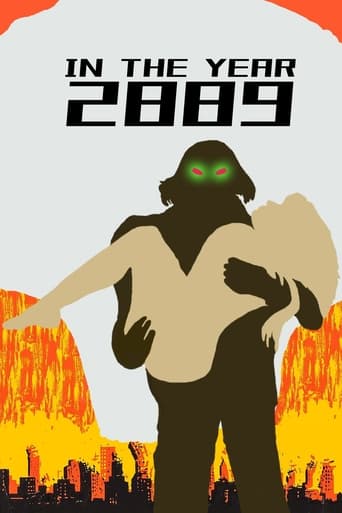
- Byron Lord played one of the disfigured mutants, a common antagonist trope in post-apocalyptic films of the era.
- His character is credited simply as 'The Mutant', with no further name or backstory provided in the film.
- The movie's budget was notoriously low, even for a Corman production, which is evident in its modest special effects and sets.
- Despite its limitations, the film has been released on home video and is often featured in retrospectives of 1960s sci-fi.
Frequently Asked Questions
Who was Byron Lord?
American with credits in this catalog. His career appears to have been confined to this one role, making him a minor but memorable figure for fans of 1960s B-movies.
What films is Byron Lord best known for?
Titles linked here include In the Year 2889 (1967).
When was Byron Lord born and when did he die?
Specific details about Byron Lord's birth and death dates are not publicly available, as his brief appearance in film did not generate significant biographical documentation.
What awards did Byron Lord win?
Byron Lord did not receive any known major awards or nominations for his work in film. His contribution was limited to a single acting role in a low-budget production.
What was Byron Lord's acting style?
Based on his role in a low-budget sci-fi film, his acting style was likely practical and direct, serving the immediate needs of the plot. Performances in such films typically focused on clear character archetypes rather than deep psychological complexity.