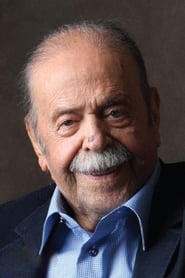
Mohammadali Keshavarz
Actor
Born: September 15, 1930 in Isfahan, Iran Died: June 24, 2020 Active: 1957-2020 Birth Name: Mohammad Ali Keshavarz
Films
1 film
About Mohammadali Keshavarz
Mohammad Ali Keshavarz was one of Iran's most and prolific actors, whose over six decades in Iranian cinema, television, and theater. Born in 1930 in Isfahan, he began his artistic journey in theater before transitioning to film, quickly establishing himself as a versatile character actor capable of portraying both dramatic and comedic roles with equal mastery. His breakthrough came in the 1960s during the Iranian New Wave cinema movement, where he collaborated with many of the country's most prominent directors. Throughout his career, Keshavarz appeared in more than 100 films, becoming a familiar face to generations of Iranian moviegoers. His performances were marked by a naturalistic style and deep emotional resonance, making him particularly effective in portraying complex, multi-dimensional characters. Even in his later years, he continued to work actively in both cinema and television, earning recognition as one of Iran's national artistic treasures. His death in 2020 marked the end of an era in Iranian performing arts.
The Craft
On Screen
Known for his naturalistic, understated acting style that emphasized emotional authenticity over theatricality. Keshavarz had a remarkable ability to convey complex emotions through subtle facial expressions and body language, making his characters feel deeply human and relatable. His approach was methodical and deeply researched, often immersing himself in the psychological makeup of his characters. He excelled at portraying ordinary people facing extraordinary circumstances, bringing dignity and depth to every role regardless of its size.
Milestones
- Stage debut in 1957
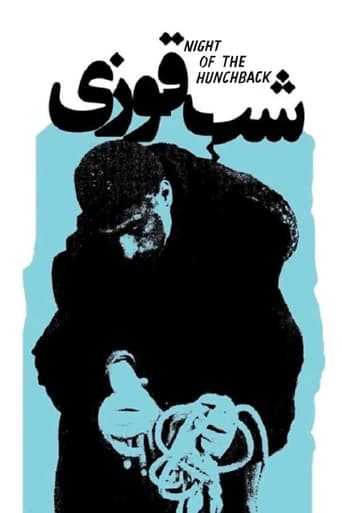
- Breakthrough role in 'Night of the Hunchback' (1965)
- Leading role in 'The Cow' (1969)
- Extensive television work in the 1980s-2000s
- Lifetime Achievement Award from Iranian cinema
- Final film appearance in 2019
Best Known For
Iconic Roles
Must-See Films
Accolades
Won
- Crystal Simorgh for Best Supporting Actor (1988)
- Lifetime Achievement Award from Fajr Film Festival (2001)
- Best Actor Award from Tehran International Film Festival
Nominated
- Crystal Simorgh nomination for Best Actor (1970)
- Best Supporting Actor nomination (1975)
- Best Actor nomination (1985)
Special Recognition
- Order of Culture and Art (First Class)
- Honored as a National Treasure of Iranian Cinema
- Recognition from Iran's House of Cinema
- Tribute at various international film festivals
Working Relationships
Worked Often With
Studios
Why They Matter
Impact on Culture
Mohammad Ali Keshavarz played a pivotal role in shaping modern Iranian cinema, particularly during the Iranian New Wave movement of the 1960s and 1970s. His performances helped establish a new, more realistic style of acting in Iranian film that moved away from the theatrical traditions of earlier cinema. As one of the first generation of formally trained actors in Iran, he helped professionalize the craft of acting in the country. His work often reflected the social and political realities of Iranian society, making him not just an entertainer but a cultural commentator. Through his extensive body of work, he documented the changing face of Iranian society over more than six decades.
Lasting Legacy
Keshavarz's legacy extends far beyond his impressive filmography; he is remembered as a foundational figure in modern Iranian performing arts. His dedication to his craft and his ability to adapt to changing cinematic styles while maintaining artistic integrity made him a role model for generations of actors. The naturalistic acting style he pioneered became the standard in Iranian cinema, influencing countless performers who followed. His death in 2020 was mourned as a national loss, with tributes pouring in from across the Iranian cultural landscape and international film communities. Film scholars continue to study his performances as exemplars of character acting and emotional authenticity.
Who They Inspired
Keshavarz's influence on Iranian cinema is immeasurable, particularly in establishing a naturalistic acting style that rejected the exaggerated performances common in earlier Iranian films. He mentored and inspired numerous younger actors who went on to become stars in their own right. His collaboration with directors of the Iranian New Wave helped create a new cinematic language that combined social realism with artistic innovation. International filmmakers and critics have often cited his work as representative of the best of Iranian cinema, helping to bring global attention to the country's film industry.
Off Screen
Keshavarz was known for being a private person who rarely discussed his personal life in public. He was deeply committed to his craft and often spoke about the importance of art in society. Despite his fame, he maintained a humble lifestyle and was respected for his integrity both on and off screen. He was married and had children who remained largely out of the public eye.
Education
Studied acting at the Faculty of Fine Arts, University of Tehran; also received informal training from prominent theater directors of his era
Family
- Homa Rousta (married 1965, until her death in 2015)
Did You Know?
- Despite appearing in over 100 films, he always considered himself primarily a theater actor
- He was one of the few Iranian actors to successfully transition from pre-revolutionary to post-revolutionary cinema
- His role in 'The Cow' is considered
- He continued acting well into his 80s, appearing in films and TV series until his final year
- He was known for his meticulous preparation for roles, often spending months researching characters
- Keshavarz was fluent in several Iranian dialects, which helped him play diverse regional characters
- He turned down many offers to appear in commercial films in favor of more artistically challenging projects
- His death coincided with the COVID-19 pandemic, limiting public mourning ceremonies
- He was a founding member of Iran's House of Cinema, a professional organization for filmmakers
- Despite his fame, he never owned a car and preferred using public transportation in Tehran
In Their Own Words
Acting is not about pretending to be someone else; it's about finding the truth within yourself and bringing it to the character
The camera doesn't lie, so the actor must be absolutely honest in their performance
Every character, no matter how small, deserves the same respect and preparation
Cinema is the mirror of society, and actors have a responsibility to reflect that truth
I have never acted for fame or money; I act because I cannot imagine doing anything else
Frequently Asked Questions
Who was Mohammad Ali Keshavarz?
Mohammad Ali Keshavarz was one of Iran's most respected and prolific actors, known for his work in cinema, television, and theater over a career spanning more than six decades. He was a key figure in the Iranian New Wave cinema movement and appeared in over 100 films, becoming a national treasure in Iranian performing arts.
What films is Mohammad Ali Keshavarz best known for?
Titles linked here include Night of the Hunchback (1965), The Cow (1969).
When was Mohammad Ali Keshavarz born and when did he die?
Born September 15, 1930; died June 24, 2020.
What awards did Mohammad Ali Keshavarz win?
He won numerous awards including the Crystal Simorgh for Best Supporting Actor, a Lifetime Achievement Award from the Fajr Film Festival, and received Iran's Order of Culture and Art. He was also recognized as a National Treasure of Iranian Cinema.
What was Mohammad Ali Keshavarz's acting style?
Keshavarz was known for his naturalistic, understated acting style that emphasized emotional authenticity. He brought depth and realism to his characters through subtle expressions and meticulous preparation, helping establish a new standard for acting in Iranian cinema that moved away from theatrical traditions.