Lou Fleischer
Actor
Born: August 16, 1891 in New York City, New York, USA Died: February 26, 1976 Active: 1920s-1940s Birth Name: Louis Fleischer
Films
2 films

About Lou Fleischer
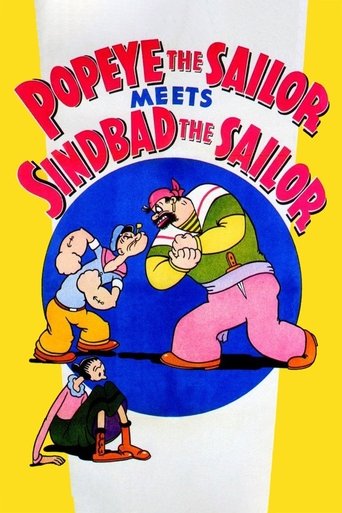
American animator, film producer, and member of the Fleischer Studios family, playing a crucial role in the production of early Popeye animated shorts during the golden age of animation. As the younger brother of Max and Dave Fleischer, Lou contributed significantly to the studio's operations, particularly in the production management and coordination of their two-reel Technicolor specials. His most notable contributions came during the mid-1930s when he worked on the acclaimed Popeye specials 'Popeye the Sailor Meets Sindbad the Sailor' (1936) and 'Popeye the Sailor Meets Ali Baba's Forty Thieves' (1937), which were among the most technically sophisticated animated films of their era. Lou served as a producer and production manager at Fleischer Studios, helping oversee the complex animation processes that made these shorts stand out for their innovative use of 3D backgrounds and stereophonic sound. He continued working with the studio through its transition to Paramount Pictures and its eventual relocation to Miami in the late 1930s. After Fleischer Studios was reorganized as Famous Studios in 1942, Lou's direct involvement in animation production diminished, though he remained connected to the family business interests. His career, though primarily behind the scenes, was integral to the success of some of the most influential animated works of the 1930s.
The Craft
Milestones
- Production manager at Fleischer Studios
- Producer of Popeye the Sailor Meets Sindbad the Sailor (1936)
- Producer of Popeye the Sailor Meets Ali Baba's Forty Thieves (1937)
- Key role in studio's transition to Technicolor production
- Contributed to development of 3D background techniques
Best Known For
Iconic Roles
Must-See Films
Accolades
Special Recognition
- Contributor to Academy Award-nominated animated shorts
- Pioneer in American animation history
Working Relationships
Worked Often With
Studios
Why They Matter
Impact on Culture
Lou Fleischer's contributions to animation, while often overshadowed by his more famous brothers, were instrumental in the technical and artistic advancement of American animation during its formative years. His work on the Popeye specials helped establish new standards for animated featurettes, demonstrating that short-form animation could achieve the technical sophistication and emotional depth typically reserved for live-action features. These productions influenced countless animators and studios, pushing the boundaries of what was possible in terms of color, sound, and three-dimensional effects in animation. The Popeye specials he produced remain landmarks in animation history, frequently cited by animation historians as pivotal works that bridged the gap between theatrical shorts and feature-length animation.
Lasting Legacy
Louis Fleischer's legacy is primarily preserved through the enduring influence of the Fleischer Studios' works he helped produce. The Popeye specials he managed continue to be studied by animation scholars and appreciated by classic animation enthusiasts for their technical innovation and artistic merit. His role in maintaining the operational efficiency of Fleischer Studios during its most creative period enabled his brothers to focus on their groundbreaking artistic innovations. While not a household name like Max or Dave Fleischer, Lou's behind-the-scenes contributions were essential to the studio's success and the advancement of animation as an art form. His work represents the crucial but often unrecognized contributions of production managers and studio executives in the golden age of Hollywood animation.
Who They Inspired
Lou Fleischer influenced animation production practices through his innovative approaches to managing complex animated projects during a period of rapid technological advancement. His work on coordinating the multiple technical elements required for the Popeye specials - including the use of 3D sets, multiplane cameras, and early stereophonic sound - established new standards for animated production management. These methodologies influenced subsequent generations of animation producers and studio managers. His ability to balance creative ambitions with practical production constraints provided a model for future animation studios attempting to push artistic boundaries while maintaining commercial viability.
Off Screen
Louis Fleischer was born into the prominent Fleischer family of animators and filmmakers. He was the youngest of the Fleischer brothers, following Max and Dave, who would establish. Unlike his more famous brothers who were the creative visionaries, Lou was primarily involved in the business and production aspects of the studio. He married and had children, though specific details about his family life remain relatively private compared to his brothers' more public profiles. After his active years in animation, Lou lived a relatively quiet life in New York, maintaining connections to the animation community through family ties.
Did You Know?
- Part of the famous Fleischer animation dynasty that included brothers Max and Dave
- Worked on two of the most technically advanced animated shorts of the 1930s
- The Popeye specials he produced were among the first animated films nominated for Academy Awards
- Fleischer Studios was the first major animation studio to relocate to Miami, Florida
- The studio pioneered the rotoscoping technique, though Lou was more involved in production than technical innovation
- Popeye the Sailor Meets Sindbad the Sailor was the first Popeye cartoon produced in three-strip Technicolor
- The Popeye specials featured some of the most complex animation processes of their time, combining 2D characters with 3D model sets
- Lou was often credited as 'L. Fleischer' in production credits
- Fleischer Studios was eventually reorganized as Famous Studios after Paramount took over
- The Fleischer brothers were Austrian immigrants who built one of America's first major animation studios
Frequently Asked Questions
Who was Lou Fleischer?
American animation producer and production manager, best known as the youngest brother of animation pioneers Max and Dave Fleischer. He played a crucial behind-the-scenes role at Fleischer Studios during the 1930s, particularly in producing the acclaimed Popeye animated specials that pushed the boundaries of animation technology and artistry.
What films is Lou Fleischer best known for?
Titles linked here include Popeye the Sailor Meets Sindbad the Sailor (1936), Popeye the Sailor Meets Ali Baba's Forty Thieves (1937).
When was Lou Fleischer born and when did he die?
Born August 16, 1891; died February 26, 1976.
What awards did Lou Fleischer win?
While Lou Fleischer did not receive personal awards during his lifetime, the animated shorts he produced at Fleischer Studios received critical acclaim and Academy Award nominations. The Popeye specials he worked on are now recognized as achievements in animation history, though individual contributors like Lou often went unrecognized in official award ceremonies of the era.
What was Lou Fleischer's role in animation?
Lou Fleischer served primarily as a production manager and producer at Fleischer Studios, focusing on the business and operational aspects of animation production. Unlike his brothers who were the creative visionaries, Lou ensured that complex projects like the Popeye specials were completed on time and within budget while maintaining the high technical standards that made Fleischer Studios famous.