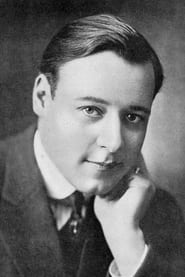
Harold Lockwood
Actor
Born: April 12, 1887 in Newark, New Jersey, USA Died: October 19, 1918 Active: 1911-1918 Birth Name: Harold Arthur Lockwood
Films
2 films
About Harold Lockwood
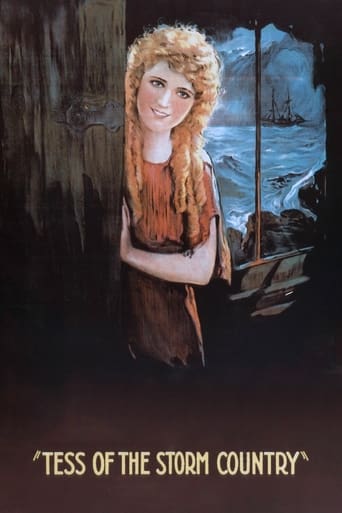
Harold Arthur Lockwood was popular and handsome leading men of early American cinema, rising to prominence during the silent film era. Born in Newark, New Jersey, he began his entertainment career on Broadway stages before making the transition to motion pictures around 1911. Lockwood quickly established himself as a romantic hero, starring in numerous films for various studios including Universal, Famous Players, and Metro Pictures. His most significant professional achievement was forming one of the first major screen couples with actress May Allison, with whom he starred in over 20 films together, creating tremendous box office success. His performance in 'Tess of the Storm Country' (1914) alongside Mary Pickford helped solidify his status as a major star. Lockwood was among the highest-paid actors of his time, commanding salaries that reflected his immense popularity with audiences. Tragically, his promising career was cut short when he contracted the Spanish flu pandemic and died at the young age of 31 in October 1918, leaving behind a legacy as one of the silent era's most beloved leading men.
The Craft
On Screen
Lockwood was known for his naturalistic acting style that was ahead of its time in the silent era. He possessed a gentle, romantic screen presence that appealed to audiences, often playing the honorable hero or romantic lead. His performances were characterized by subtle facial expressions and restrained gestures, avoiding the exaggerated theatrics common in early silent films. Lockwood had a particular talent for conveying deep emotion through his eyes, which became one of his trademarks. He was praised by critics for his ability to make his characters feel authentic and relatable, bringing a sense of realism to his romantic roles.
Milestones
- Stage debut on Broadway before transitioning to films
- Starred in 'Tess of the Storm Country' (1914) with Mary Pickford
- Formed legendary screen partnership with May Allison
- Became one of the highest-paid actors of the 1910s
- Appeared in over 100 films during his brief career
- Named
Best Known For
Iconic Roles
Must-See Films
Accolades
Special Recognition
- Posthumous star on the Hollywood Walk of Fame
- Named one of the top 10 box office stars of 1916 by Motion Picture Magazine
- Inducted into the Hall of Fame of Great Western Performers
Working Relationships
Worked Often With
Studios
Why They Matter
Impact on Culture
Harold Lockwood was instrumental in establishing the template for the romantic leading man in American cinema. His screen partnership with May Allison helped create the concept of the recurring screen couple, which would become a staple of Hollywood marketing for decades. Lockwood's naturalistic acting style influenced the transition away from theatrical acting in silent films toward more subtle, realistic performances. His popularity helped establish the star system in early Hollywood, demonstrating how actors could become reliable box office draws. Lockwood's tragic death during the Spanish flu pandemic also highlighted the vulnerability of the film industry during the 1918 crisis, as his passing left studios scrambling to complete his unfinished projects.
Lasting Legacy
Harold Lockwood's legacy endures as one of the romantic leads of American cinema, though many of his films have been lost to time due to the deterioration of nitrate film stock. He is remembered by film historians as representing the transition from stage acting to screen acting in the early 1910s. His work with May Allison established the romantic duo formula that would be replicated by countless Hollywood pairs throughout the decades. Lockwood's early death at the height of his fame has made him something of a tragic figure in film history, often cited as an example of the many promising careers cut short by the 1918 pandemic. His influence can be seen in the romantic leading men who followed, particularly in their approach to subtle, naturalistic performance.
Who They Inspired
Lockwood's influence extended to subsequent generations of romantic leading men who adopted his more restrained, naturalistic approach to screen acting. His success demonstrated that audiences responded favorably to subtlety rather than theatricality, influencing the acting styles of stars like Charles Ray, Richard Barthelmess, and eventually early talkie actors. The Lockwood-Allison partnership became a blueprint for studio marketing strategies involving on-screen couples, influencing how studios would later pair actors like Greta Garbo and John Gilbert, or Myrna Loy and William Powell. His method of conveying emotion through minimal movement and facial expression became increasingly important as close-ups became more prevalent in film language.
Off Screen
Harold Lockwood married Alma Jones in 1915, and they had one son together. He was known as a private individual who rarely discussed his personal life in public, preferring to keep the focus on his work. Despite his immense popularity, Lockwood was described by colleagues as humble and professional, never developing the ego that often came with stardom. He maintained close friendships with several co-stars, particularly May Allison, though their relationship was strictly professional. Lockwood was also known for his charitable work, often participating in benefit performances for war relief efforts during World War I.
Education
Attended public schools in Newark, New Jersey; later studied drama at the American Academy of Dramatic Arts
Family
- Alma Jones (1915-1918)
Did You Know?
- Was one of the first actors to sign a long-term contract with Universal Pictures
- Died from Spanish flu during the 1918 pandemic, one of many Hollywood victims
- Appeared in over 100 films in just 7 years, an incredible pace even for the era
- His salary in 1916 was $2,000 per week, equivalent to over $50,000 today
- Many of his films are now considered lost, a common fate for silent films
- Was originally considered for the lead in 'The Sheik' (1921) before his death
- His final film 'The Man of Mystery' was released posthumously in 1918
- Was an accomplished tennis player and often played with other Hollywood stars
- His screen partnership with May Allison was so popular they received thousands of fan letters weekly
- Was one of the first actors to have personal appearances as part of his contract
In Their Own Words
Acting for the camera is not like acting for the stage. The camera sees everything, even the thoughts behind your eyes.
I owe everything to my fans. They are the reason I get to do what I love every day.
A picture is only as good as the story it tells, and the emotions it makes the audience feel.
Frequently Asked Questions
Who was Harold Lockwood?
Popular American silent film with credits in this catalog. He starred in over 100 films between 1911 and 1918, forming a famous screen partnership with actress May Allison. His career was tragically cut short when he died of Spanish flu at age 31 in 1918.
What films is Harold Lockwood best known for?
Titles linked here include Tess of the Storm Country (1914), David Harum (1915).
When was Harold Lockwood born and when did he die?
Born April 12, 1887; died October 19, 1918.
What awards did Harold Lockwood win?
While formal acting awards like the Academy Awards did not exist during Lockwood's career, he received significant recognition including being named one of the top box office stars of 1916 by Motion Picture Magazine. He was posthumously honored with a star on the Hollywood Walk of Fame for his contributions to cinema.
What was Harold Lockwood's acting style?
Lockwood was known for his naturalistic and subtle acting style, which was ahead of its time for the silent era. He avoided the exaggerated theatrics common in early films, instead using gentle expressions and restrained gestures to convey emotion. His ability to communicate deep feelings through his eyes became one of his most celebrated traits.
Who was Harold Lockwood's most frequent co-star?
May Allison was Lockwood's most frequent and famous co-star, with whom he formed one of the first major screen couples in Hollywood. They appeared together in over 20 films and their on-screen chemistry made them extremely popular with audiences, establishing a template for future Hollywood romantic pairings.