Rondo Hatton
Actor
Born: April 22, 1894 in Hagerstown, Maryland, USA Died: February 2, 1946 Active: 1930-1946
Films
1 film
About Rondo Hatton
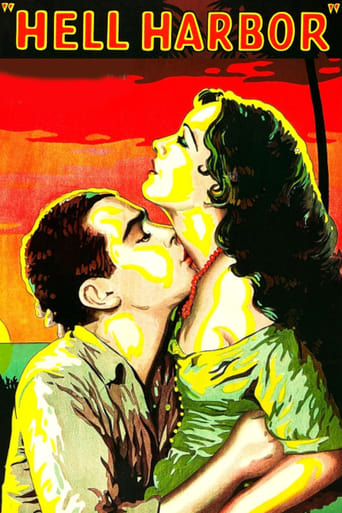
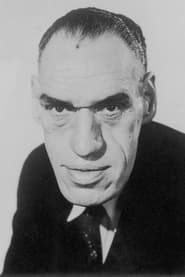
Unique and tragic figure in Hollywood history, best known for his distinctive physical appearance caused by acromegaly, a pituitary gland disorder. Born in Maryland and raised in Florida, he was a handsome young man and a star athlete before the onset of his condition, which began to distort his facial features and extremities following his service in World War I. While working as a journalist for the Tampa Tribune, he was discovered by director Henry King during the filming of 'Hell Harbor' (1930), where his striking look earned him a small role. This accidental entry into cinema led him to Hollywood, where he was frequently cast in uncredited bit parts as thugs or background heavies due to his naturally 'monstrous' appearance. It wasn't until the 1940s that he achieved cult stardom at Universal Pictures, most notably as 'The Creeper,' a silent and lethal killer. Despite his fearsome on-screen persona, Hatton was remembered by colleagues as a gentle, soft-spoken, and professional man who bore his physical decline with immense dignity until his untimely death from a heart attack related to his condition.
The Craft
On Screen
Hatton's acting style was defined by a profound physical presence and a minimalist approach to dialogue. Because his condition affected his vocal cords, he often played silent or laconic characters, relying on his imposing stature and unique facial structure to convey menace. He possessed a naturalistic, almost weary quality that separated him from other horror actors who relied on heavy makeup; Hatton's 'mask' was his own face, which he used with a somber, stoic intensity that many critics found more unsettling than traditional prosthetic effects.
Milestones
- Discovered by director Henry King while working as a reporter in 1930
- Cast as the iconic 'Hoxton Creeper' in the Sherlock Holmes film 'The Pearl of Death' (1944)
- Signed a contract with Universal Pictures to headline a series of horror films in 1945
- Posthumously became the namesake for the Rondo Hatton Classic Horror Awards
- Portrayed the silent, menacing 'Creeper' character which became a staple of 1940s B-movie horror
Best Known For
Iconic Roles
Must-See Films
Accolades
Special Recognition
- Namesake of the Rondo Hatton Classic Horror Awards (established 2002)
- Inducted into the Monster Kid Hall of Fame
Working Relationships
Worked Often With
Studios
Why They Matter
Impact on Culture
Rondo Hatton occupies a unique niche in cultural history as the only major horror star who did not require makeup to play a monster. His image became a shorthand for 'the brute' in 1940s cinema, but his real-life struggle with a debilitating disease has made him a sympathetic figure to modern audiences and disability advocates. He challenged the Hollywood beauty standard in a visceral way, turning a personal tragedy into a professional career. In the decades since his death, he has transitioned from a footnote in horror history to a beloved cult icon, representing the 'outsider' status often celebrated by fans of the genre.
Lasting Legacy
Hatton's legacy is most visibly preserved through the Rondo Hatton Classic Horror Awards, which are the most prestigious fan-based awards in the horror genre, featuring a bust of his likeness as the trophy. He is also immortalized in popular culture through homages; most notably, the character of Lothar in Dave Stevens' 'The Rocketeer' comic book and the subsequent 1991 film was explicitly designed to look like Hatton. His life story serves as a poignant reminder of the exploitation and opportunity present in the Golden Age of Hollywood, where physical 'abnormality' was commodified for entertainment.
Who They Inspired
He influenced a generation of creature performers and makeup artists who studied his unique bone structure to understand how to create effective 'monster' silhouettes. His portrayal of 'The Creeper' influenced the trope of the unstoppable, silent slasher that would later dominate the horror genre in the 1970s and 80s.
Off Screen
Hatton was the son of Stewart Price Hatton and Emily Zarina Hatton, both of whom were teachers. He was voted 'Handsomest Boy' in his high school class in Tampa, Florida, before his medical condition manifested. He served in the United States Army during World War I on the Mexican border and later in France, where it was long (though incorrectly) rumored that exposure to mustard gas triggered his acromegaly. He was married twice, finding lasting stability with his second wife, Mabel 'Mae' Alice Housh, who remained his devoted companion and supported him as his health declined due to the progression of his disease.
Education
Attended Hillsborough High School in Tampa, Florida, where he was a standout athlete in football and track.
Family
- Elizabeth James (1926-1930)
- Mabel Alice Housh (1934-1946)
Did You Know?
- He was a professional journalist for the Tampa Tribune before becoming an actor.
- Hatton was voted the 'Handsomest Boy' in his senior year of high school before acromegaly changed his appearance.
- Universal Pictures promoted him with the tasteless tagline 'The Monster Who Needs No Makeup.'
- His condition, acromegaly, was caused by a benign tumor on the pituitary gland, not mustard gas as the studios claimed.
- The 1991 film 'The Rocketeer' featured a character named Lothar who was a direct visual tribute to Hatton, played by actor Tiny Ron Taylor in prosthetic makeup.
- He died before his final two starring films, 'House of Horrors' and 'The Brute Man', were even released.
- Hatton's face has appeared on everything from t-shirts to model kits, becoming a symbol of classic horror fandom.
In Their Own Words
I've got a face that's my fortune, but it's a fortune I'd give back if I could have my old one.
They don't need to spend hours in the makeup chair for me. I just show up.
Frequently Asked Questions
Who was Rondo Hatton?
American with credits in this catalog. He was unique because his 'monstrous' appearance was the result of a real medical condition called acromegaly, leading studios to market him as the actor who needed no makeup.
What films is Rondo Hatton best known for?
Titles linked here include The Pearl of Death (1944), House of Horrors (1946).
When was Rondo Hatton born and when did he die?
Born April 22, 1894; died February 2, 1946.
What are the Rondo Hatton Awards?
The Rondo Hatton Classic Horror Awards are annual awards that honor the best in classic horror research, journalism, and film restoration. The trophy is a bust of Hatton's face as 'The Creeper'.
Was Rondo Hatton's appearance real or makeup?
His appearance was entirely real. He suffered from acromegaly, a disorder where the pituitary gland produces too much growth hormone, causing the bones in the face, hands, and feet to enlarge significantly.