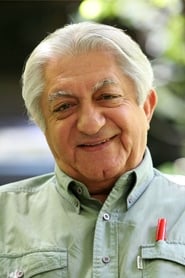
Ezzatollah Entezami
Actor
Born: June 21, 1924 in Tehran, Iran Died: August 17, 2017 Active: 1969-2017
Films
1 film
About Ezzatollah Entezami
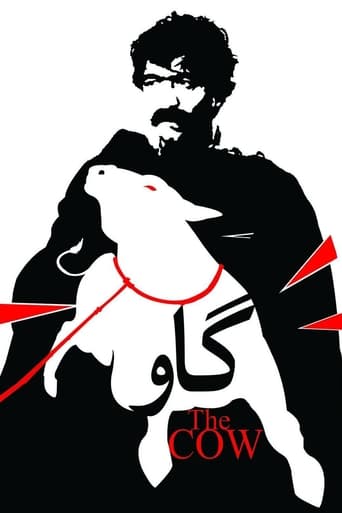
Ezzatolah Entezami was one of Iran's most celebrated and leading actors, widely regarded as a pioneer of Iranian cinema's New Wave movement. Born in Tehran in 1924, he began his artistic journey in theater before transitioning to film, where he would leave an indelible mark. His breakthrough role in Dariush Mehrjui's 'The Cow' (1969) as the simple villager Mashdi Hassan who believes he has become a cow after his beloved animal dies, is considered powerful performances in Iranian film history. Entezami's over five decades, during which he appeared in more than 100 films, establishing himself as the face of serious, artistic cinema in Iran. He was known for his method acting approach, often immersing himself completely in his characters, whether playing humble villagers, complex intellectuals, or historical figures. Despite international acclaim, Entezami remained deeply committed to Iranian cinema, rejecting offers from Hollywood to continue working in his homeland. His later years saw him continue acting well into his 80s, mentoring younger actors and receiving numerous honors for his contributions to Iranian culture and cinema.
The Craft
On Screen
Entezami was renowned for his method acting approach, bringing extraordinary psychological depth and authenticity to every role. He possessed a remarkable ability to transform completely into his characters, whether playing illiterate villagers or sophisticated intellectuals. His performances were characterized by subtle facial expressions, controlled body language, and an intense emotional honesty that resonated deeply with audiences. He often spent months preparing for roles, studying the backgrounds and motivations of his characters extensively. His style combined classical theatrical training with cinematic naturalism, creating performances that were both technically precise and emotionally raw.
Milestones
- Breakthrough role in 'The Cow' (1969)
- First Iranian actor to win an international acting award at Venice Film Festival
- Career spanning nearly 50 years with over 100 film appearances
- Pioneer of Iranian New Wave cinema
- Received lifetime achievement awards from multiple international film festivals
- Mentored generations of Iranian actors
- Never worked in Hollywood despite offers, remaining committed to Iranian cinema
Best Known For
Iconic Roles
Must-See Films
Accolades
Won
- Best Actor Award, Venice Film Festival for 'The Cow' (1969)
- Best Actor, Sepas Film Festival for 'The Postman' (1971)
- Best Actor, Fajr International Film Festival for 'The Day of the Angel' (1994)
- Lifetime Achievement Award, Fajr International Film Festival (1997)
- Crystal Simorgh for Best Actor, Fajr Film Festival (1998)
- Career Achievement Award, Tehran International Film Festival (2004)
- Lifetime Achievement Award, International Film Festival of Kerala (2008)
- Career Achievement Award, Kazan International Film Festival (2011)
Nominated
- Best Actor nomination, Cannes Film Festival for 'The Cow' (1969)
- Best Actor nomination, Moscow International Film Festival for 'The Cycle' (1979)
- Best Actor nomination, Fajr Film Festival for 'The School We Went To' (1980)
- Best Actor nomination, Fajr Film Festival for 'The Tenants' (1972)
Special Recognition
- Named as one of the 10 greatest Iranian actors of all time by Iranian Film Critics Association
- Received Iran's Order of Culture and Art
- Honored at the Museum of Modern Art's Iranian cinema retrospective
- Subject of documentary 'Entezami: The Legend' (2012)
- Iranian postal service issued commemorative stamp in his honor (2018)
- Tehran's City Theater named one of its halls after him
Working Relationships
Worked Often With
Studios
Why They Matter
Impact on Culture
Ezzatolah Entezami fundamentally transformed Iranian cinema, elevating it from commercial entertainment to a respected art form on the international stage. His performance in 'The Cow' is widely credited with launching the Iranian New Wave movement, which brought global attention to Iranian filmmaking. Entezami's dedication to authentic, socially relevant storytelling helped establish cinema as a vehicle for cultural expression and social commentary in Iran. He became a cultural ambassador for Iran, with his films serving as windows into Iranian society for international audiences. His refusal to work in Hollywood, despite lucrative offers, made him a symbol of artistic integrity and national pride. Entezami's work influenced generations of Iranian filmmakers and actors, establishing a tradition of serious, artistic cinema that continues to define Iranian film culture.
Lasting Legacy
Ezzatolah Entezami's legacy extends far beyond his filmography; he is remembered as the father of modern Iranian acting and a cultural icon who embodied the artistic soul of his nation. His methodical approach to character development and his commitment to artistic excellence set new standards for performance in Iranian cinema. The characters he portrayed, particularly his iconic role in 'The Cow', have become archetypes in Iranian cultural consciousness, referenced in literature, theater, and everyday conversation. Entezami's influence can be seen in the work of virtually every serious Iranian actor who followed him. His films continue to be studied in film schools worldwide as exemplars of realistic, humanistic cinema. Even after his death, Entezami remains a touchstone for Iranian artistic achievement, his name synonymous with integrity, dedication, and artistic excellence.
Who They Inspired
Entezami's influence on Iranian cinema is immeasurable, having established a template for serious, method-based acting that became the standard for artistic films in Iran. His collaboration with director Dariush Mehrjui created a new cinematic language that balanced social realism with poetic expression, influencing countless Iranian filmmakers. Younger actors emulated his approach to character preparation, studying his techniques for emotional authenticity and psychological depth. His success at international film festivals, particularly his award at Venice, proved that Iranian cinema could compete on the world stage, encouraging other Iranian filmmakers to pursue artistic excellence over commercial appeal. Entezami's emphasis on cultural specificity while maintaining universal human themes became a model for Iranian cinema's international appeal. His mentorship of younger actors and his willingness to take risks in controversial roles paved the way for more daring and diverse performances in Iranian cinema.
Off Screen
Entezami was known for his private and humble lifestyle despite his immense fame. He married his wife, Alieh Entezami, in 1950, and they remained together until her death in 2016. Their marriage was considered. Entezami was deeply religious and often spoke about the importance of faith in his life and work. He lived in the same modest Tehran apartment for most of his adult life, rejecting the materialism often associated with celebrity. He was known for his generosity, quietly supporting struggling actors and film students throughout his career.
Education
Graduated from the Faculty of Fine Arts, University of Tehran (1947); Studied theater and acting under renowned Iranian theater director Abdolhossein Nushin; Attended workshops on method acting techniques; Self-taught in film acting through extensive study of international cinema
Family
- Alieh Entezami (1950-2016)
Did You Know?
- Turned down a role in a Hollywood film starring Marlon Brando to remain in Iran
- Spent three months living in a rural village to prepare for his role in 'The Cow'
- His performance in 'The Cow' was so convincing that some rural viewers believed he had actually lost his mind
- Never appeared in television commercials, considering them beneath artistic dignity
- Could recite entire plays by Hafez and Saadi from memory
- Learned to play the sitar specifically for a role in 'The Chess Game of the Wind'
- His son Ramin appeared as a child actor in several of his father's films
- Maintained a personal library of over 3,000 books on cinema and theater
- Was offered but declined the position of Minister of Culture in the Iranian government
- His final film performance was at age 89 in 'I Am Not Angry' (2014)
- Slept only 4-5 hours per night throughout his adult life to maximize productivity
- Was fluent in Persian, Azerbaijani, Turkish, and had working knowledge of French and English
In Their Own Words
Acting is not about becoming someone else; it's about discovering the parts of yourself that match the character.
The camera sees everything. You cannot lie to it, just as you cannot lie to yourself.
I never acted for fame or money. I acted because I had stories to tell and emotions to share.
A good actor must be a good listener - to the director, to other actors, and most importantly, to the character within.
Cinema is the mirror of society. When we make good cinema, we help society see itself more clearly.
The Cow taught me that the simplest stories are often the most profound.
I rejected Hollywood not because I hate America, but because I love Iran too much to leave her stories untold.
Method acting is not just a technique; it's a way of life. You must live the character, not just play it.
Frequently Asked Questions
Who was Ezzatolah Entezami?
Ezzatolah Entezami was Iran's most acclaimed and influential actor, widely regarded as the pioneer of Iranian New Wave cinema. He was known for his method acting approach and his iconic role in 'The Cow' (1969), which brought international recognition to Iranian cinema. Over a career spanning nearly 50 years, he appeared in over 100 films and became a cultural icon in Iran.
What films is Ezzatolah Entezami best known for?
Titles linked here include The Cow (1969), The Postman (1971).
When was Ezzatolah Entezami born and when did he die?
Born June 21, 1924; died August 17, 2017.
What awards did Ezzatolah Entezami win?
Entezami won numerous prestigious awards throughout his career, including the Best Actor Award at the Venice Film Festival for 'The Cow' (1969), making him the first Iranian actor to win an international acting award. He also received multiple Crystal Simorgh awards at Iran's Fajr Film Festival, lifetime achievement awards from various international film festivals, and Iran's Order of Culture and Art for his contributions to Iranian culture.
What was Ezzatolah Entezami's acting style?
Entezami was renowned for his method acting approach, characterized by intense preparation and psychological depth. He would often spend months researching and living in environments similar to his characters' backgrounds. His performances were marked by subtle facial expressions, controlled body language, and emotional authenticity that brought extraordinary realism to his roles. He combined classical theatrical training with cinematic naturalism to create performances that were both technically precise and deeply moving.
Did Ezzatolah Entezami work in Hollywood?
No, despite receiving multiple offers from Hollywood, including a role opposite Marlon Brando, Entezami consistently refused to work outside Iran. He believed his artistic mission was to develop and contribute to Iranian cinema, telling Iranian stories for Iranian audiences. This commitment to his homeland made him a symbol of artistic integrity and national pride in Iran.
How did Ezzatolah Entezami influence Iranian cinema?
Entezami fundamentally transformed Iranian cinema by elevating acting standards and helping launch the Iranian New Wave movement. His performance in 'The Cow' proved that Iranian cinema could achieve international acclaim, encouraging filmmakers to pursue artistic excellence over commercial appeal. He mentored generations of actors and established a tradition of serious, method-based performance that continues to influence Iranian cinema today.